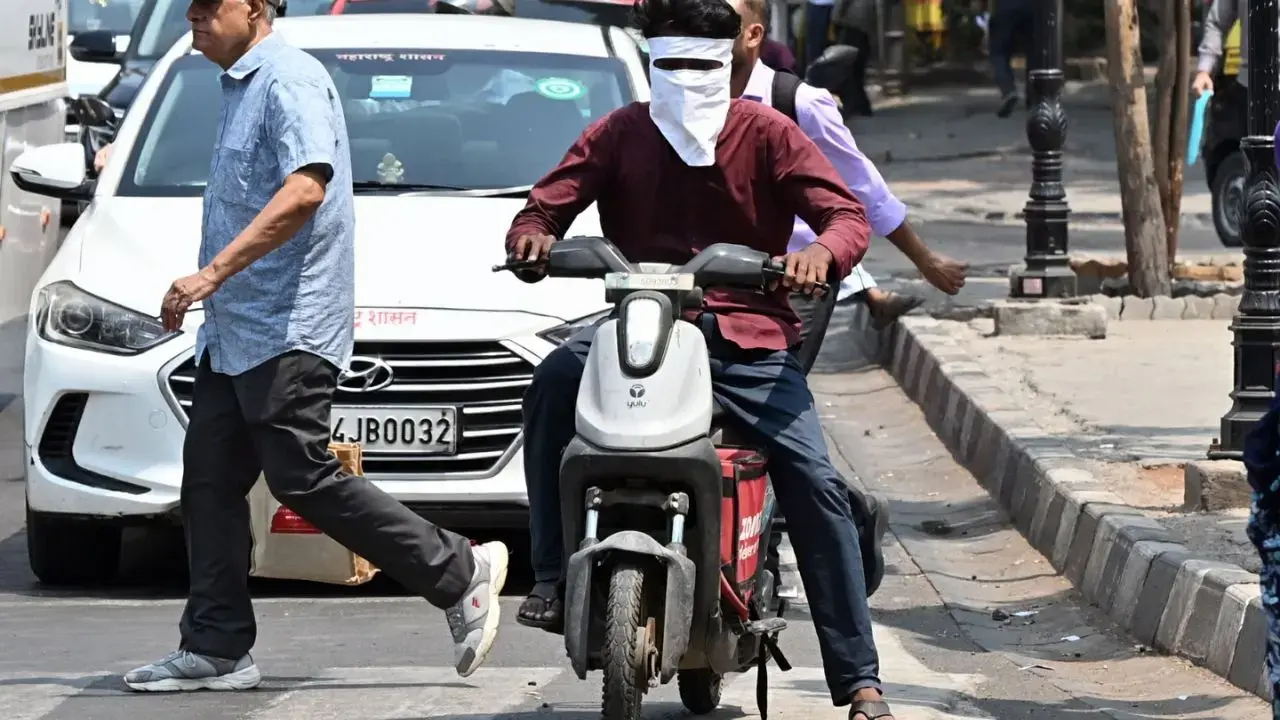
Mumbai witnessed another day of intense heat and humidity on Thursday as temperatures climbed sharply across the metropolitan region, prompting weather authorities to issue cautionary alerts for several districts. The rising heat index, coupled with persistent humidity, is adding pressure on urban infrastructure, public health systems and outdoor working conditions ahead of the monsoon season. Meteorological agencies have warned of continued hot and humid weather across Mumbai, Thane, Palghar and Raigad over the coming days, with daytime temperatures expected to touch the mid-thirties. Morning conditions itself reflected elevated thermal discomfort levels, signalling an increasingly prolonged pre-monsoon heat phase across the Mumbai Metropolitan Region.
The Mumbai weather alert comes at a time when Indian cities are facing growing concerns around urban heat stress linked to dense construction patterns, declining green cover and climate variability. Urban planners and environmental experts say coastal cities such as Mumbai are particularly vulnerable because humidity significantly intensifies the perceived impact of heat, especially in heavily built-up neighbourhoods with limited ventilation. High temperatures combined with moisture-laden air can affect productivity, public transport usage and health outcomes, particularly for outdoor workers, senior citizens and low-income communities living in densely populated settlements. Health professionals note that heat-related fatigue, dehydration and respiratory discomfort tend to increase during this transition period before the onset of the southwest monsoon. The Mumbai weather alert has also drawn attention to the broader challenge of climate resilience in rapidly urbanising regions. Infrastructure experts argue that rising urban temperatures are becoming a long-term planning issue rather than a seasonal weather concern. Heat retention caused by concrete-heavy development and reduced permeable surfaces has intensified localised warming across several metropolitan corridors.
While Mumbai continues to experience dry and humid conditions, parts of interior Maharashtra are forecast to receive thunderstorms, gusty winds and moderate rainfall. Weather analysts say such contrasting conditions are common during the pre-monsoon transition period, when atmospheric instability increases across the state. Recent isolated showers in parts of Navi Mumbai had briefly provided relief earlier this week, though authorities indicate there is still no confirmed timeline for the arrival of sustained monsoon rainfall over the city. Traditionally, Mumbai begins witnessing early monsoon activity in June before rainfall intensifies through July. Climate researchers say the increasing frequency of heat alerts across western India underscores the need for cities to invest in heat mitigation measures including shaded public spaces, better urban ventilation, green infrastructure and resilient building design. Transport hubs, construction zones and informal commercial districts remain among the most heat-exposed urban environments.
Public health agencies have advised residents to remain hydrated, minimise direct sun exposure during peak afternoon hours and reduce strenuous outdoor activity where possible. Experts also recommend greater awareness around heat-risk management as extreme weather events become more frequent across Indian metropolitan regions. As Mumbai prepares for another monsoon season, the current spell of extreme humidity and heat is reinforcing the need for long-term climate-sensitive urban planning capable of addressing both rising temperatures and future weather volatility.