


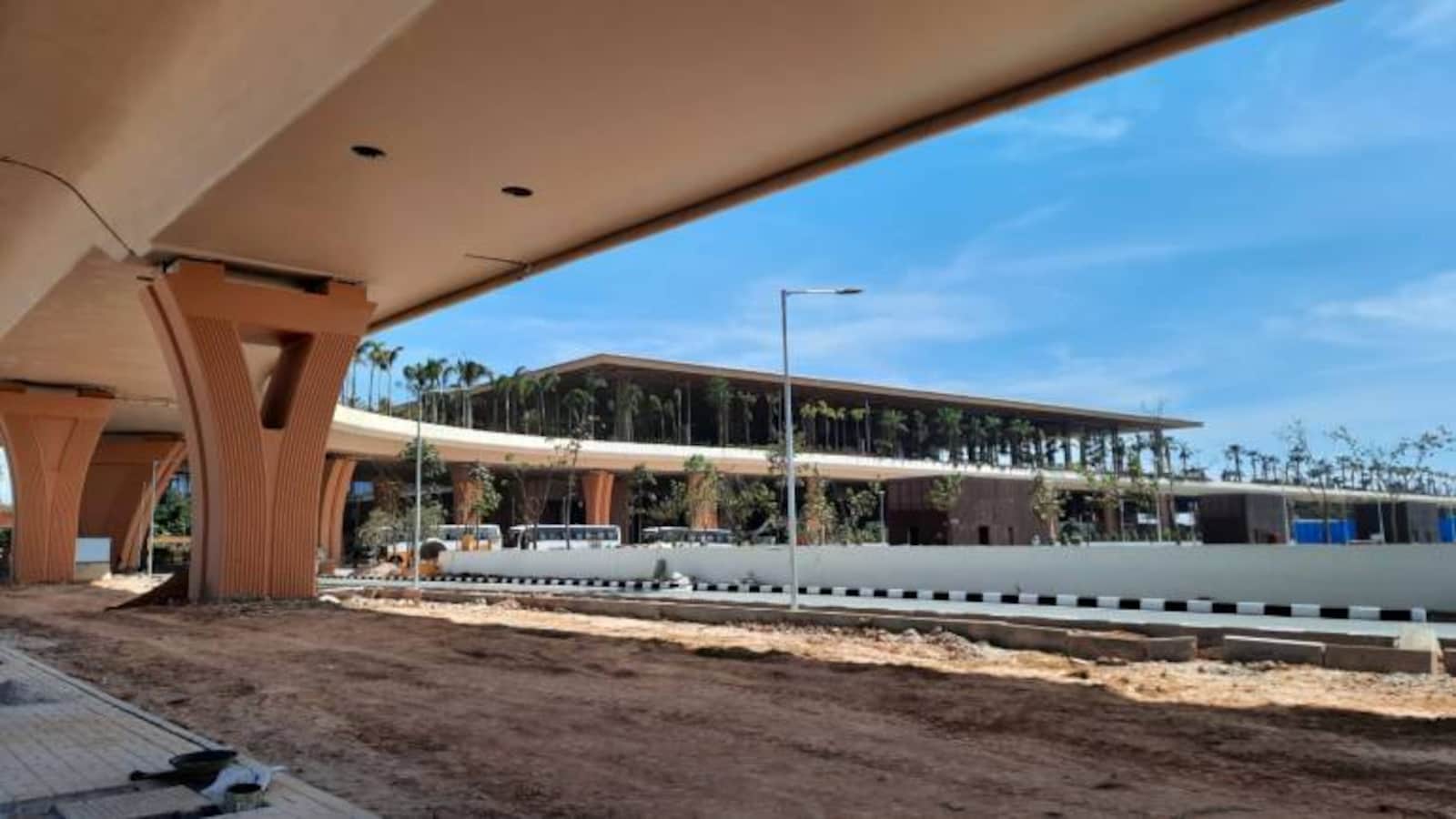
Plans for a major multimodal transport hub in Devanahalli are set to accelerate Bengaluru’s northern expansion strategy, positioning the airport region as a future anchor for integrated mobility, economic activity and large-scale urban development.The proposed hub is expected to bring together multiple transport systems — including rail, metro, bus and airport connectivity — within a unified infrastructure network aimed at improving passenger movement across the metropolitan region.
Urban development authorities see the project as a critical component of Bengaluru’s long-term growth framework as population and commercial activity increasingly shift toward the city’s northern corridor.Devanahalli has rapidly evolved from a peripheral town into one of Karnataka’s most closely watched infrastructure zones following the expansion of Kempegowda International Airport and the emergence of large technology, aerospace and industrial investments nearby. Transport planners say the creation of a multimodal interchange could significantly influence future land use patterns and reduce mobility fragmentation in the fast-growing region.The Bengaluru multimodal hub is also expected to support regional connectivity by linking airport infrastructure with suburban rail networks, metro corridors and intercity transport systems. Mobility experts argue that integrated transport nodes are becoming essential for large urban regions attempting to reduce road congestion and dependence on private vehicles.Infrastructure economists note that multimodal systems improve efficiency by enabling smoother transfers between transport modes while reducing travel uncertainty and commute times. Such integration is particularly important for Bengaluru, where rapid urban sprawl and dispersed employment hubs have placed mounting pressure on existing road infrastructure.The project carries wider economic implications as well. Improved connectivity around Devanahalli could accelerate commercial real estate activity, logistics investments and residential development in northern Bengaluru.
However, urban planners caution that infrastructure-led growth must be carefully managed to avoid unregulated expansion, ecological stress and speculative land development.Environmental experts have repeatedly highlighted the vulnerability of Bengaluru’s peripheral landscapes to unchecked urbanisation. Large infrastructure projects in airport corridors can intensify pressure on water resources, agricultural land and natural drainage systems if sustainability safeguards are not embedded into planning frameworks from the outset.Transport specialists also stress the importance of prioritising accessibility and affordability within multimodal infrastructure systems. Integrated mobility hubs are most effective when designed around seamless pedestrian movement, public transit convenience and inclusive access for daily commuters rather than solely for premium or long-distance travellers.The Bengaluru multimodal hub proposal aligns with broader efforts to create transit-oriented development zones that cluster housing, employment and mobility infrastructure around major transport nodes.Such planning approaches are increasingly viewed as essential for reducing commute distances and limiting carbon-intensive urban expansion.
As detailed planning and implementation processes advance, the Devanahalli project is likely to become a key test of how Bengaluru manages the intersection of infrastructure growth, regional mobility and sustainable urbanisation in one of India’s fastest-changing metropolitan regions.
Also Read:Bengaluru Open Streets Event Celebrates Community Spaces
