


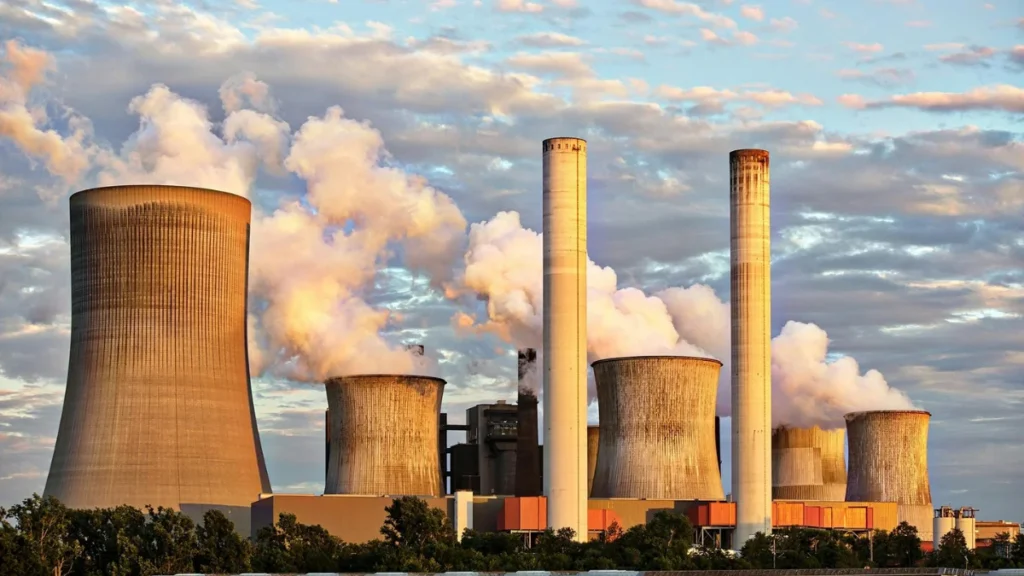
West Bengal’s long-standing struggle to regain its industrial and economic prominence has returned to the centre of policy discussions as the state attempts to balance manufacturing growth, infrastructure expansion and employment generation amid rising competition from other Indian regions. Economists and urban planners say the outcome could shape not only eastern India’s economic future, but also the trajectory of inclusive urban development across the state.
Despite remaining one of India’s largest consumer markets with a strategic gateway location to South and Southeast Asia, West Bengal has faced persistent concerns over industrial stagnation, limited private investment and uneven urban economic growth. Analysts note that while sectors such as logistics, IT services, retail and small-scale manufacturing have expanded in recent years, the pace has not matched the industrial acceleration seen in western and southern states.The debate over the West Bengal economy has intensified as major infrastructure corridors, freight networks and port-linked projects gain momentum across eastern India. Urban economists argue that the state’s geographic advantages including access to riverine transport systems, rail connectivity and regional trade routes could support a broader industrial recovery if supported by stable policy execution and climate-resilient infrastructure planning.Industry observers say manufacturing revival remains central to rebuilding employment opportunities, particularly for young workers migrating from smaller towns and peri-urban districts. While the state has witnessed growth in warehousing and service-led businesses around Kolkata and emerging urban clusters, experts believe long-term economic resilience will depend on diversified industrial ecosystems rather than isolated investment announcements.
Urban development specialists also point to the need for more sustainable industrialisation models. Many legacy industrial zones across the state continue to face ageing infrastructure, pollution pressures and weak public transport integration. Revitalising these areas, they argue, requires cleaner energy systems, upgraded logistics, affordable worker housing and stronger links between industrial estates and public mobility networks.The West Bengal economy is further influenced by changing labour patterns and rising climate vulnerabilities. Flood risks, heat stress and pressure on urban infrastructure are increasingly affecting productivity in densely populated economic centres. Planners warn that future industrial expansion without resilient drainage systems, green infrastructure and efficient land-use planning could deepen social and environmental stress in already congested cities.Policy experts suggest that improving investor confidence will depend not only on industrial policy but also on governance transparency, land management reforms and faster urban infrastructure delivery. They add that secondary cities could play a greater role in economic decentralisation by attracting technology parks, clean manufacturing units and knowledge-sector employment beyond Kolkata.
As eastern India becomes more important to national trade and logistics networks, the coming decade may determine whether West Bengal can convert its demographic strength and strategic location into durable economic growth. For citizens, the stakes extend beyond investment numbers to include employment access, liveable cities, affordable mobility and environmentally sustainable urban expansion.
Read More : Bengaluru Tech Campus Redefines Workplace Urban Design
Kolkata Economy Seeks New Investment Momentum
