Mumbai Corridor Project Set To Ease Regional Commutes
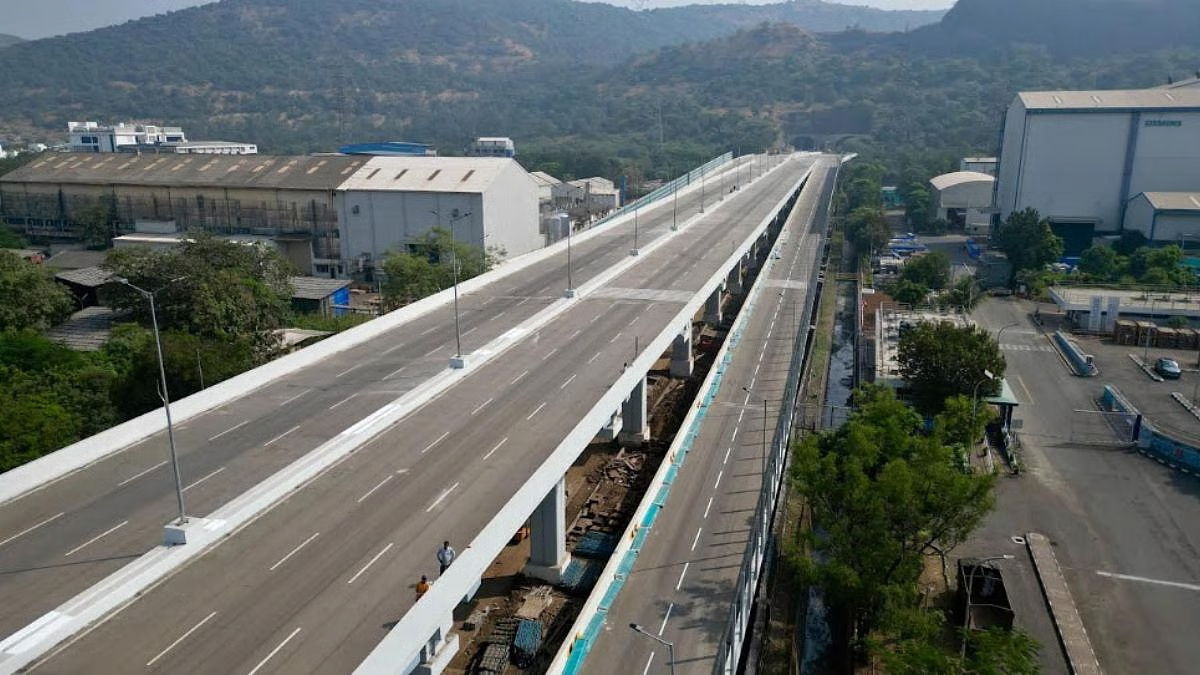
A major transport corridor connecting Navi Mumbai, Thane and the eastern growth belt of the Mumbai Metropolitan Region is approaching a critical completion stage, with authorities preparing to open substantial sections of the Airoli-Katai corridor later this year. The infrastructure project is expected to reduce travel time across some of the region’s most congested road networks while reshaping mobility patterns in rapidly urbanising suburban zones. Developed by the Mumbai Metropolitan Region Development Authority, the nearly 13-kilometre access-controlled route is being executed in multiple phases to improve east-west connectivity between Airoli, Mumbra and Katai Naka. Officials overseeing the project indicated that one phase of the corridor has already been completed, while another section featuring a key tunnel link is in its final stages of construction.
The Airoli-Katai corridor is designed to ease traffic pressure on heavily burdened routes including the Thane-Belapur stretch, Shil Phata junction and Kalyan-bound arterial roads. Transport analysts say these corridors currently experience severe bottlenecks due to growing commuter volumes, industrial movement and rapid residential expansion across the metropolitan periphery. Infrastructure planners estimate that the new route could reduce travel duration between Thane and Navi Mumbai by up to 40 minutes during peak periods. The project is also expected to shorten travel distances between Mulund and Katai Naka, improving regional accessibility for commuters travelling towards Kalyan-Dombivli and Badlapur. The corridor’s significance extends beyond travel convenience. Urban development experts note that enhanced inter-city connectivity often accelerates economic integration across metropolitan regions by improving access to employment hubs, logistics corridors and residential markets. Areas surrounding the route are already witnessing increased real estate activity linked to improved transport expectations.
However, planners caution that large-scale road infrastructure must be aligned with sustainable mobility goals to avoid reinforcing long-term dependence on private vehicles. While faster connectivity can reduce fuel wastage caused by prolonged congestion, experts argue that future infrastructure planning should also prioritise multimodal integration with suburban rail, metro systems and bus-based public transport networks. The corridor is also expected to support freight movement and industrial connectivity across the Mumbai Metropolitan Region, where logistics traffic frequently competes with commuter flows on overloaded urban roads. Improved travel efficiency could lower transport delays and operational costs for businesses operating between Navi Mumbai’s industrial clusters and emerging residential centres further east. Officials have indicated that the final construction phase extending towards Katai Naka remains under development and is targeted for completion over the next two years. Once operational, the full corridor is expected to function as a strategic connector between older urban centres and emerging growth zones within the wider metropolitan region.
Urban mobility researchers say the long-term success of the Airoli-Katai corridor will ultimately depend on integrated planning around land use, public transport access and environmental management. As Mumbai’s metropolitan footprint continues expanding outward, infrastructure investments are increasingly being evaluated not only for their transport value, but also for their role in shaping more balanced, resilient and connected urban growth.