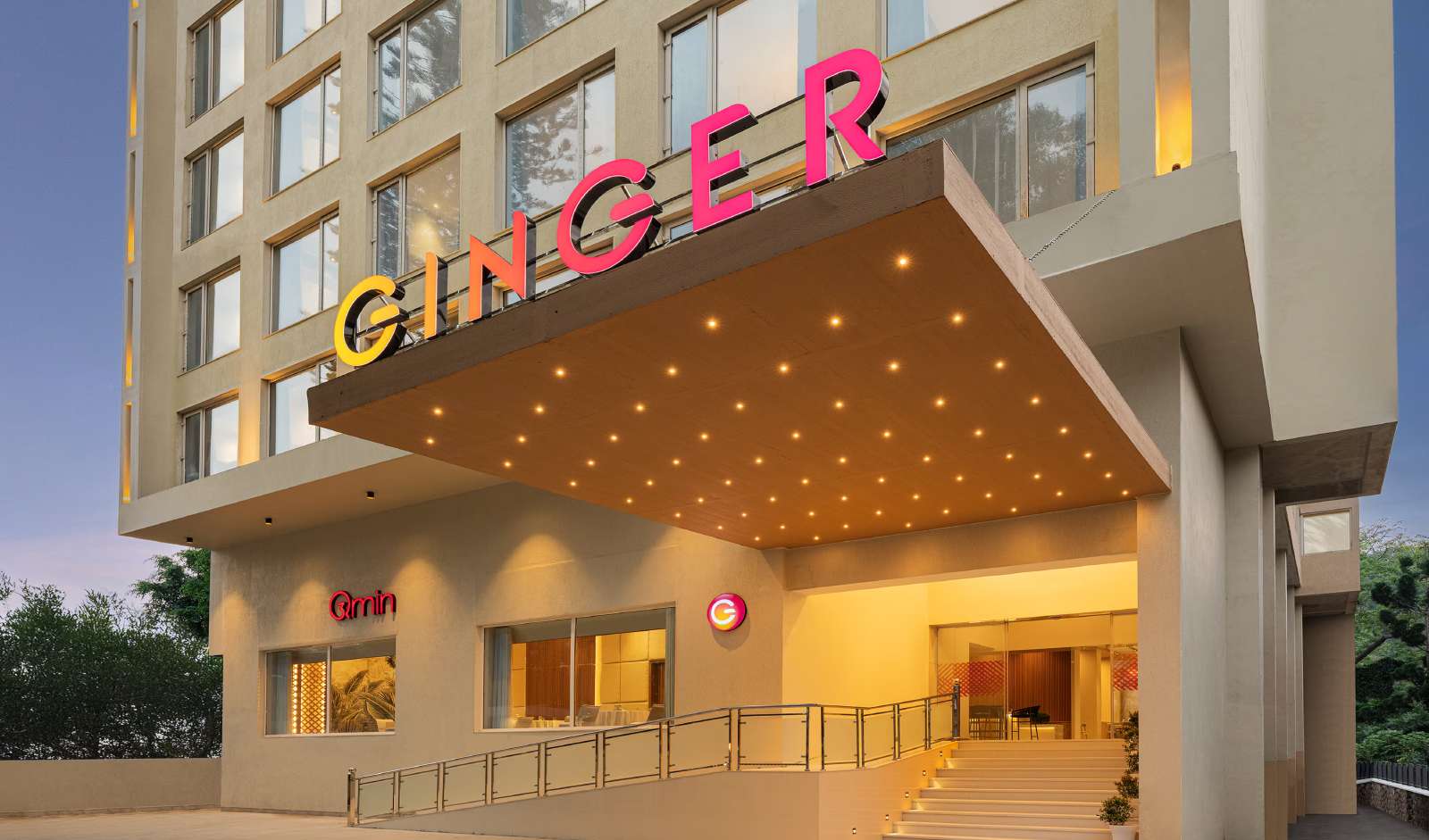
A new mid-scale hotel launch along Hyderabad’s airport corridor is signalling the rapid transformation of the city’s southern periphery into a key urban growth zone. Indian Hotels Company Limited (IHCL) has opened the Ginger Hyderabad Airport Road property, reflecting rising demand for business and transit-oriented accommodation near Rajiv Gandhi International Airport.
The hotel, with around 118 rooms, is positioned to cater to a mix of corporate travellers, transit passengers, and short-stay visitors linked to the airport ecosystem. Facilities include an all-day dining space, fitness centre, and meeting areas—features that align with the growing need for flexible, business-friendly hospitality infrastructure in emerging urban corridors.This development highlights a broader shift in Hyderabad’s spatial growth pattern. The airport zone, once considered peripheral, is increasingly being integrated into the city’s economic core through improved road connectivity and proximity to logistics, aerospace, and technology clusters. The Rajiv Gandhi International Airport, located about 24 km from the city centre, already handles millions of passengers annually, making it one of India’s busiest aviation hubs.Urban planners note that hospitality expansion in such corridors is often a leading indicator of deeper economic activity. As passenger traffic increases and business travel rebounds, demand for short-duration stays, conferences, and airport-linked services tends to rise. This, in turn, drives ancillary development including retail, food services, and transport infrastructure.
The entry of organised hospitality brands into this belt also reflects changing travel patterns. Instead of central business districts alone, travellers are increasingly opting for accommodation closer to airports to reduce commute times in congested cities. In Hyderabad, where connectivity is supported by the Outer Ring Road and proposed metro links, the airport corridor is emerging as a self-sustained urban node rather than just a transit point.However, this growth brings planning challenges. Rapid commercialisation around airport zones can strain local infrastructure, particularly water supply, waste management, and traffic systems, if not aligned with long-term urban planning frameworks. Experts emphasise the need for transit-oriented development, energy-efficient buildings, and integrated land-use planning to ensure that such expansion remains sustainable.The rise of mid-scale hotels like Ginger Hyderabad Airport Road also signals a shift towards more accessible hospitality formats. Unlike luxury developments, these properties cater to a broader segment of travellers, including small business owners and professionals, potentially supporting more inclusive economic activity linked to the city’s growth.
As Hyderabad continues to expand outward, the airport corridor is becoming a critical frontier for urban development. The success of such projects will depend not only on occupancy rates but also on how well infrastructure, sustainability, and mobility planning keep pace with the city’s evolving geography.