


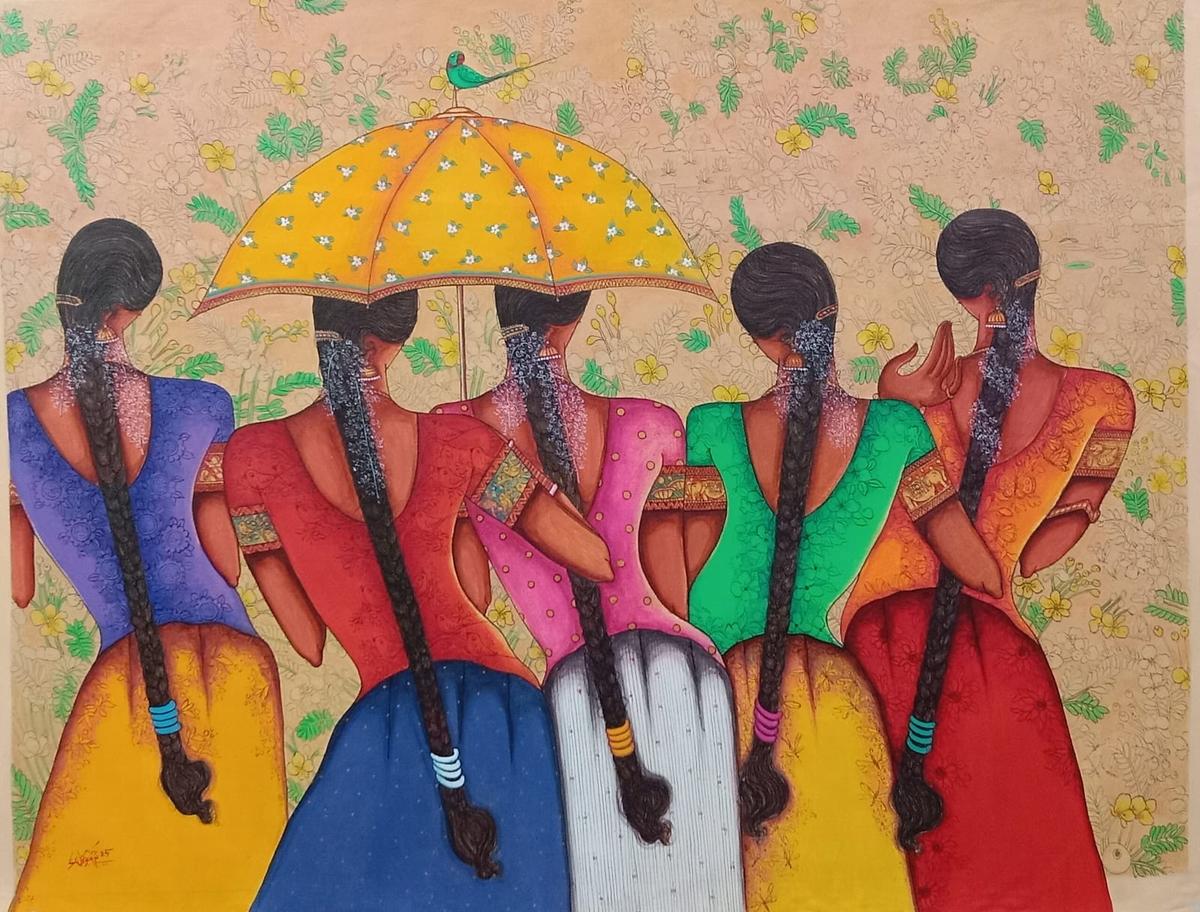
A citywide arts initiative in Bengaluru is drawing renewed attention to the role of cultural programming in shaping inclusive and socially vibrant urban spaces. The ongoing festival, bringing together artists, performers, and community participants, reflects the growing importance of creative ecosystems in Bengaluru’s evolving urban identity.
Spread across multiple venues, the event highlights a broad mix of visual arts, performances, installations, and public interactions. Beyond showcasing artistic talent, the initiative is contributing to conversations around how cities can create more accessible cultural spaces amid rapid urban expansion and changing social dynamics.Urban development experts note that cultural festivals increasingly function as more than entertainment platforms. In large metropolitan regions, they can strengthen neighbourhood engagement, encourage local economic activity, and create opportunities for interaction across social groups. For Bengaluru, where migration and rapid development often reshape community structures, such initiatives can help foster a stronger sense of shared urban identity.The Bengaluru art festival also reflects the city’s transition towards a more diversified creative economy. While the city is globally associated with technology and startups, there is rising recognition that cultural industries contribute significantly to urban liveability and economic resilience. Artists, designers, event organisers, and creative entrepreneurs form an expanding segment of the local economy linked to hospitality, tourism, and public events.From a planning perspective, experts argue that integrating arts and culture into city development strategies can improve the quality of public spaces.
Festivals and open cultural programmes encourage greater use of parks, galleries, pedestrian zones, and community venues, helping create more active and people-oriented urban environments.The environmental dimension is also becoming increasingly relevant. Organisers and urban sustainability advocates are placing greater emphasis on low-waste events, reusable installations, and community-led programming. Such approaches align with broader efforts to make cultural events more environmentally responsible while reducing pressure on city resources.Accessibility remains a central concern. Cultural participation in many Indian cities is often shaped by economic and geographic barriers, limiting engagement beyond select audiences.Experts highlight the importance of decentralised programming and affordable entry models to ensure wider public participation in urban cultural life.The rise of large-scale arts initiatives also points to changing expectations around urban well-being. In fast-paced metropolitan settings, cultural spaces provide opportunities for social interaction, reflection, and mental rejuvenation. As Bengaluru continues to densify, maintaining these forms of public engagement is becoming increasingly important for balanced urban growth.Policy analysts suggest that sustained investment in cultural infrastructure—such as galleries, community centres, performance spaces, and artist support systems—will be essential to strengthening the city’s creative ecosystem over the long term.
As Bengaluru’s cultural landscape expands, initiatives like this festival demonstrate how arts and public participation can shape more connected and inclusive cities. Beyond their immediate economic and social impact, such events reinforce the idea that urban development is not only about infrastructure and growth, but also about creating spaces that nurture creativity, belonging, and civic interaction.
Also Read:Bengaluru Lake Crisis Highlights Urban Water Stress
