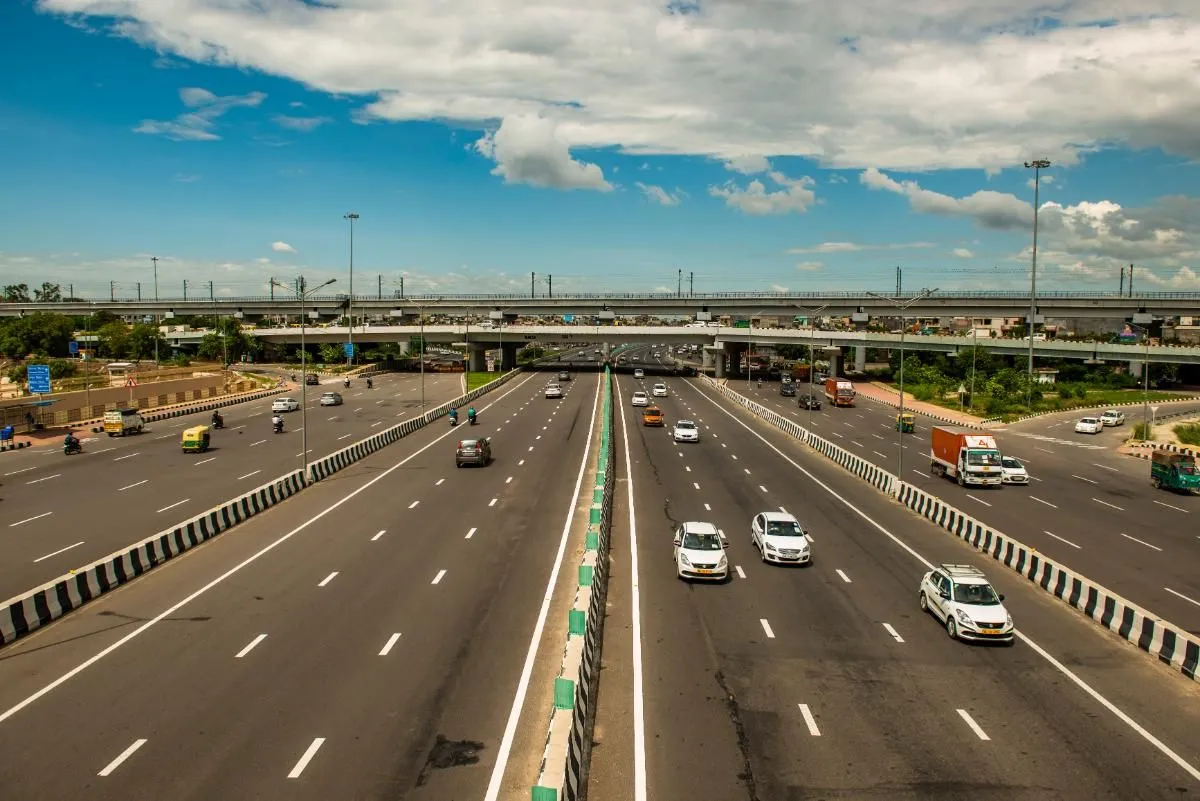
A major road expansion project in Haryana is set to reshape mobility across parts of the Delhi–NCR region, with authorities approving a four-lane upgrade of the Palwal–Nuh corridor. The intervention, estimated at around ₹137 crore, aims to address long-standing congestion on a key inter-district route while improving connectivity to nearby industrial clusters. For daily commuters and freight operators, the move signals potential reductions in travel time, fuel consumption, and logistical inefficiencies.
The existing two-lane stretch has struggled to keep pace with rising vehicular volumes, particularly as economic activity intensifies across southern NCR. Urban planners note that such bottlenecks not only increase commute stress but also contribute to higher emissions due to idling traffic and detours. The planned Delhi NCR road upgrade is therefore being positioned as both an infrastructure fix and a step toward more efficient regional movement. Transport analysts suggest the corridor plays a critical role in linking smaller towns with larger manufacturing hubs such as Bhiwadi, Dharuhera, and Prithla. At present, heavy vehicles often divert to longer expressway routes to avoid delays, adding to operational costs. By streamlining this link, the project could enhance supply chain reliability and support industrial productivity in peripheral zones that are increasingly central to NCR’s economic geography.
However, the expansion comes with environmental trade-offs. Tree removal along the alignment has been approved, raising concerns about ecological loss in a region already grappling with declining green cover. In response, officials have outlined a compensatory afforestation plan, including the development of a new forest area on designated land in Nuh district. The proposal includes planting multiple saplings for every tree removed, alongside a dedicated budget for plantation and maintenance. Urban sustainability experts caution that such measures must go beyond numerical targets. Survival rates of saplings, biodiversity considerations, and long-term land stewardship will determine whether the ecological balance is meaningfully restored. They argue that integrating green buffers, non-motorised transport provisions, and climate-resilient design into the Delhi NCR road upgrade could strengthen its long-term impact.
The timing of the project aligns with broader efforts to decentralise growth within NCR, where pressure on core urban centres has intensified. Improved road infrastructure in outer districts is expected to redistribute economic activity, potentially unlocking new real estate and employment opportunities. Yet, planners emphasise the importance of aligning such developments with public transport expansion to avoid car-dependent growth patterns. Construction is expected to begin shortly following regulatory clearances. For residents and businesses, the project represents a tangible shift in how regional connectivity is being prioritised. Its success, however, will depend not just on execution speed but on how effectively it balances mobility gains with environmental responsibility and inclusive urban planning outcomes.