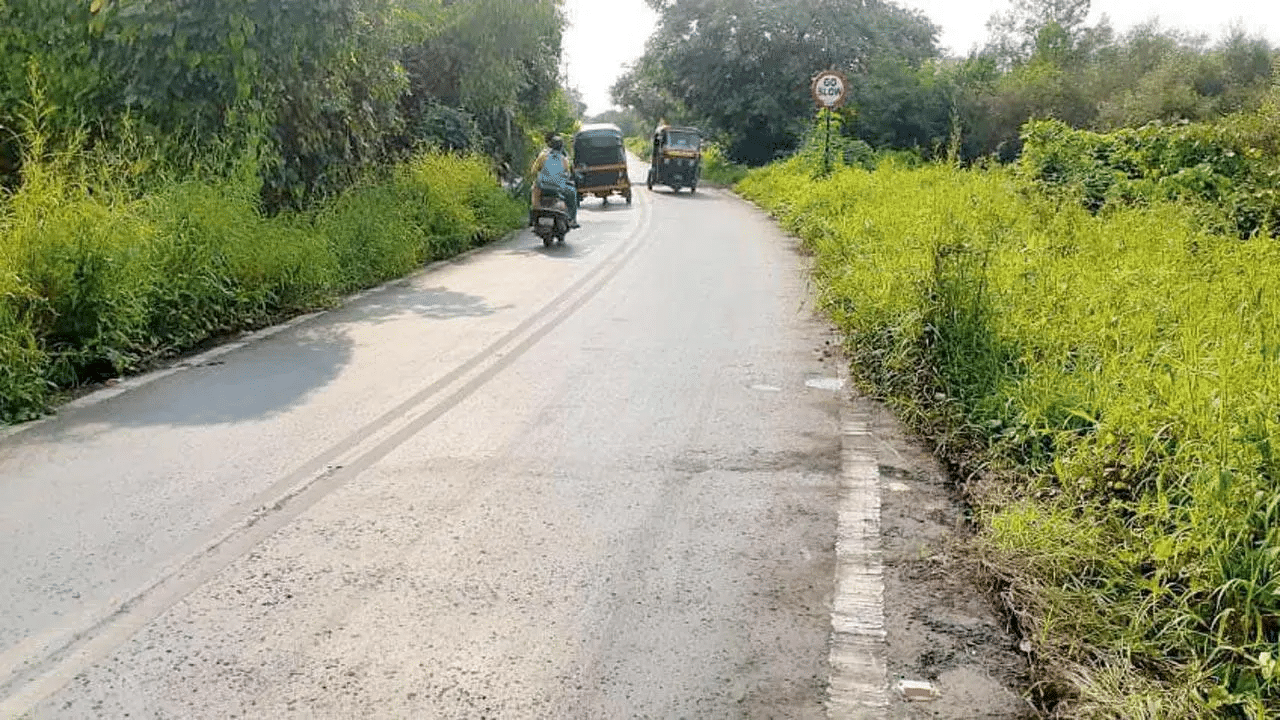
A proposed road expansion project in Mumbai’s coastal Gorai village has triggered resistance from local residents, who argue that the intervention risks displacing livelihoods and damaging a fragile ecosystem without delivering proportional mobility benefits. The plan, currently under review by civic authorities, involves widening a narrow internal road leading to Gorai Beach, a move that has raised broader questions about how infrastructure decisions are aligned with community needs and environmental sustainability. At the centre of the dispute is a stretch of approximately 700 metres that connects a key access road to the beachfront. Civic planners have proposed expanding its width from a modest village pathway to a significantly broader carriageway. While officials view the project as part of efforts to improve access to a popular tourist destination, residents contend that the scale of intervention is disproportionate to actual demand patterns.
Local stakeholders point out that congestion on the route is largely seasonal, peaking during holidays and weekends rather than representing a consistent transport bottleneck. Urban planners observing the case note that such episodic congestion can often be addressed through traffic management measures—such as one-way systems or timed access—rather than permanent physical expansion. This approach, they argue, can reduce land acquisition pressures and environmental disruption. For Gorai’s residents, the implications are more immediate. The proposed widening is expected to impact small landholdings, many of which form the economic backbone of households dependent on tourism-related activities and fishing. With plot sizes in the area typically limited, even minor land acquisition could have disproportionate financial consequences. Community representatives have also highlighted concerns over the potential loss of tree cover, which plays a crucial role in maintaining the microclimate of the coastal settlement. Environmental experts caution that coastal and island-like geographies such as Gorai require particularly sensitive planning frameworks. Expanding road infrastructure without careful ecological assessment could intensify urban heat, reduce biodiversity, and increase surface runoff during monsoon periods.
These factors are increasingly relevant as Mumbai grapples with climate-linked vulnerabilities, including flooding and heat stress. Residents have also questioned the necessity of the project by pointing to alternative routes in the vicinity that already handle tourist traffic more efficiently. From a planning perspective, this raises concerns about duplication of infrastructure investments and the need for integrated mobility strategies that optimise existing assets before introducing new ones. Civic authorities maintain that the proposal is still under consideration, with inputs from public consultations being reviewed before a final decision is taken. This stage, urban policy experts suggest, represents a critical opportunity to reassess the project through a people-first lens, balancing connectivity goals with social equity and environmental stewardship.
As Mumbai continues to expand and upgrade its infrastructure, the Gorai case underscores a recurring urban challenge: ensuring that development interventions enhance accessibility without undermining the very communities and ecosystems they are meant to serve. The outcome of this deliberation may set an important precedent for how smaller, ecologically sensitive neighbourhoods are integrated into the city’s broader growth trajectory.