Ahmedabad rail labour norms tested in court verdict
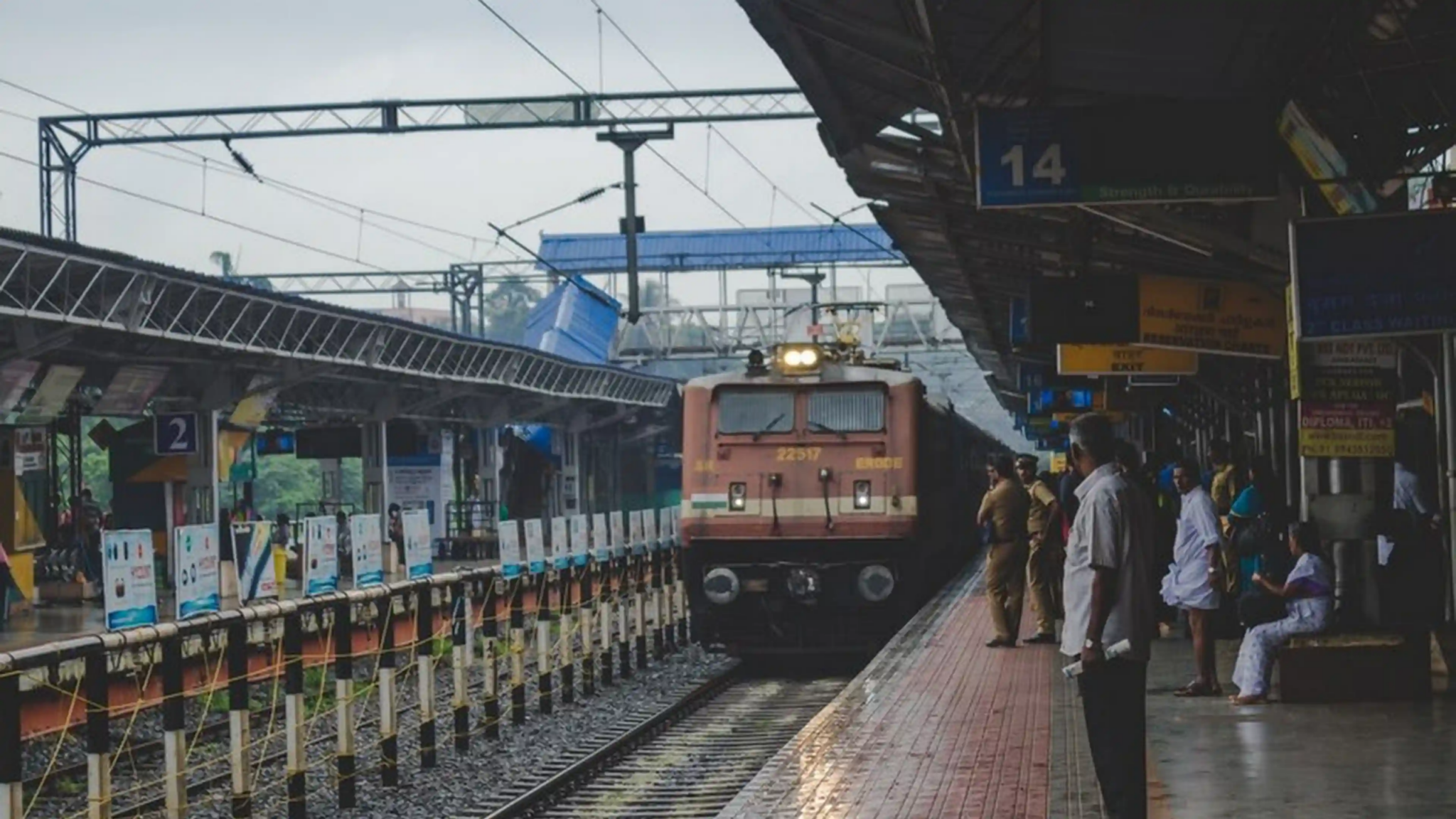
Mumbai’s primary rail hub is grappling with a severe water supply gap at a time when the city prepares for seasonal shortages, exposing vulnerabilities in essential urban infrastructure that supports millions of daily commuters. Officials overseeing suburban rail operations have flagged a significant shortfall in potable water availability at the city’s busiest terminal, where daily passenger movement runs into several lakh. With supply reportedly meeting only a fraction of demand, authorities have turned to tanker deliveries to bridge the gap—an interim solution that underscores systemic stress in urban water management. The issue coincides with planned reductions in municipal water distribution across Mumbai, triggered by declining reservoir levels ahead of the monsoon. Urban planners note that such simultaneous pressures on civic and transport infrastructure reveal the fragility of resource planning in high-density metropolitan regions, particularly under changing climate patterns.
Railway facilities require large volumes of water not only for passenger use but also for maintaining hygiene standards, servicing long-distance trains, and operating basic station amenities. When supply dips, the impact is immediate and visible. Commuters across several stations have reported inconsistent access to drinking water, malfunctioning cooling systems, and poor sanitation around water points—conditions that raise both public health and equity concerns. A senior official familiar with the matter indicated that reliance on tanker supply is neither cost-efficient nor environmentally sustainable, given the additional fuel consumption and logistical burden involved. Experts argue that such dependence also widens the carbon footprint of essential services, running counter to broader goals of low-emission urban systems. Beyond the central terminal, similar complaints have emerged from smaller stations, where infrastructure maintenance appears uneven. Non-functional water dispensers, reduced cooling during peak heat hours, and temporary shutdowns of fountains due to leakage issues point to deeper operational challenges.
Urban analysts suggest that decentralised water storage, recycling systems, and improved maintenance protocols could help reduce pressure on centralised supply networks. The crisis also intersects with commuter behaviour. Limited access to safe drinking water pushes passengers towards bottled alternatives, increasing plastic waste and adding to environmental stress. In a city already struggling with waste management, such patterns complicate sustainability goals. Meanwhile, civic and railway authorities are coordinating on short-term mitigation, including repairs, improved distribution, and prioritisation of high-footfall stations. Pre-monsoon preparedness efforts—ranging from drainage upgrades to flood mitigation—are also underway, reflecting the interconnected nature of urban infrastructure challenges.
As Mumbai approaches the monsoon season, the current shortage highlights the need for integrated planning between transport and civic agencies. Ensuring reliable access to basic resources such as water is not only a service requirement but a fundamental aspect of building resilient, inclusive, and commuter-centric urban systems.