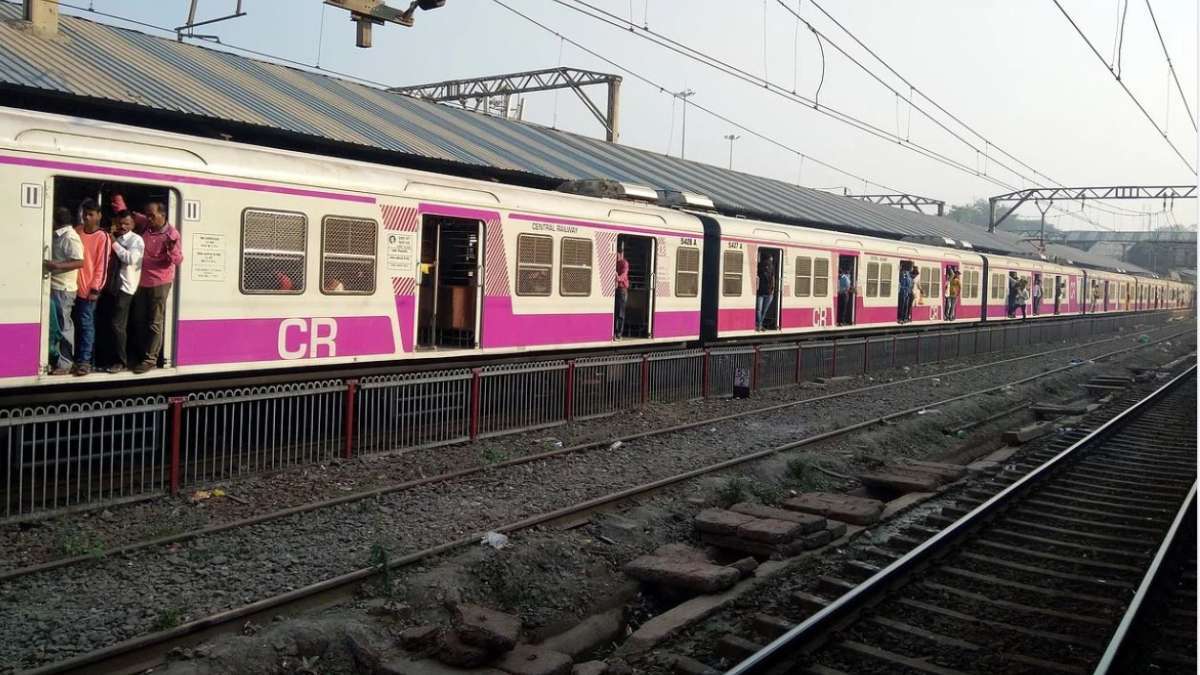
Mumbai Rail Block Impacts Suburban Travel This Weekend
A scheduled Mumbai rail block this weekend is set to disrupt suburban train operations across the western corridor, as authorities undertake critical construction work linked to the city’s expanding metro network. The temporary suspension and diversion of services underline the complex balancing act between maintaining daily mobility and delivering long-term infrastructure upgrades in one of the world’s busiest rail systems. The block, spanning overnight hours between Saturday and Sunday, will facilitate the installation of structural components for an elevated metro alignment between key suburban stations. During this period, select railway lines will remain closed, with services either rerouted or cancelled. Transport officials indicate that such interventions are essential to ensure safe execution of construction in densely built urban zones where rail and metro systems intersect.
For commuters, the immediate impact of the Mumbai rail block will be felt in altered schedules, longer travel times, and the need to rely on alternative routes. Suburban rail remains the backbone of daily commuting in Mumbai, carrying millions each day, and even short-duration disruptions can ripple across the city’s economic and social routines. Industry observers note that advance communication and real-time updates will be crucial in mitigating inconvenience. The disruption is part of a broader effort to expand metro connectivity, aimed at reducing congestion on existing transport corridors and offering more efficient east-west travel options. Urban planners argue that while such construction phases can be disruptive, they are necessary to transition towards a more integrated and multimodal transport network. “Cities like Mumbai must upgrade infrastructure without halting daily life, which inevitably leads to phased disruptions,” said a senior mobility expert. Alongside the track work, infrastructure upgrades at a suburban station in the northern section of the network are also underway, involving the reconfiguration of pedestrian access structures.
These changes are intended to improve passenger circulation and accommodate rising footfall, though they may temporarily affect movement within the station premises. From a sustainability perspective, the metro expansion supported by the Mumbai rail block is expected to contribute to reduced reliance on road-based transport over time. By offering faster and more reliable alternatives, metro systems can help lower vehicular emissions and improve urban air quality. However, experts caution that the benefits will depend on seamless integration with existing suburban rail and last-mile connectivity solutions. The economic implications are equally significant. Efficient public transport networks are closely tied to productivity in large metropolitan regions. While short-term disruptions may affect daily commerce, improved connectivity in the long run can enhance access to jobs, reduce travel costs, and support more balanced urban development.
As Mumbai continues to invest in large-scale transit infrastructure, the challenge remains in managing the transition period effectively. Ensuring minimal disruption, clear communication, and commuter safety will be critical to maintaining public trust in the system. In the coming years, such coordinated upgrades are expected to reshape how the city moves—shifting towards a more resilient, interconnected, and sustainable transport ecosystem.