


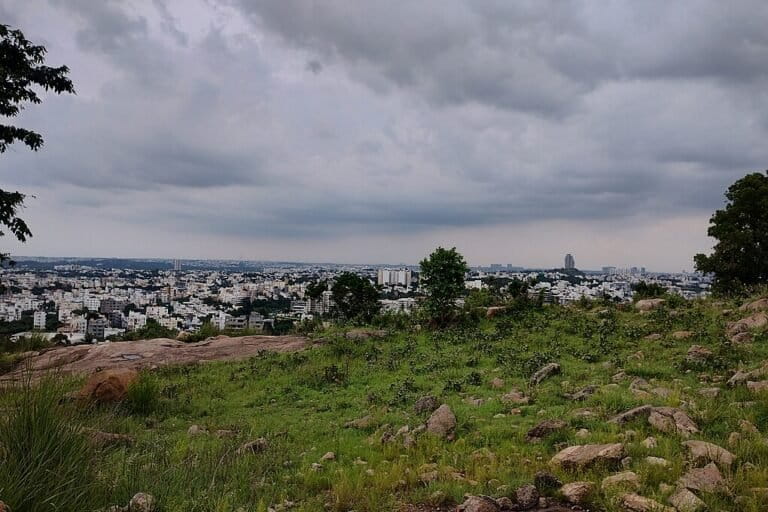
Bengaluru is witnessing the emergence of distinct high-temperature pockets across its urban landscape, a phenomenon often described as “heat archipelagos”, where clusters of neighbourhoods experience significantly higher temperatures than surrounding areas. The trend underscores the growing impact of rapid urbanisation on local climate conditions and highlights the urgent need for climate-sensitive planning.
These fragmented heat zones are typically linked to dense construction, reduced vegetation, and extensive use of heat-absorbing materials such as concrete and asphalt. As the city expands, natural land cover is increasingly replaced by built surfaces, intensifying the Bengaluru urban heat islands effect. This has led to noticeable variations in temperature across different parts of the city, even within short distances.Urban climate experts point out that such patterns are not uniform but occur in pockets—hence the term “archipelagos.” Areas with high-rise developments, limited tree cover, and heavy traffic tend to record higher temperatures, while neighbourhoods with parks, water bodies, and open spaces remain relatively cooler. This uneven distribution of heat has direct implications for public health, energy consumption, and overall urban liveability.The rise of Bengaluru urban heat islands is closely tied to changes in land use. The city’s transformation into a major technology and real estate hub has accelerated construction activity, often at the cost of green spaces. The loss of tree cover, once a defining feature of Bengaluru, has reduced the city’s natural cooling capacity, making it more vulnerable to heat stress.
From a public health perspective, prolonged exposure to higher temperatures can increase the risk of heat-related illnesses, particularly for vulnerable populations such as the elderly, children, and outdoor workers. The impact is further amplified in densely populated areas where access to cooling infrastructure may be limited.Energy demand is another critical concern. As temperatures rise, households and businesses increasingly rely on air conditioning and cooling systems, placing additional pressure on the city’s power infrastructure. This creates a feedback loop where higher energy consumption contributes to further heat generation and emissions.Urban planners emphasise that addressing the Bengaluru urban heat islands challenge requires integrated solutions. Expanding urban green cover, protecting existing water bodies, and promoting reflective building materials are among the strategies being considered. Additionally, incorporating climate-responsive design into building codes and urban planning frameworks can help mitigate long-term impacts.The issue also raises questions about equitable access to cooler environments. Neighbourhoods with better infrastructure and green spaces tend to be more resilient, while lower-income areas often face higher exposure to heat, highlighting disparities in urban living conditions.
As Bengaluru continues to grow, managing microclimate variations will become central to its sustainability agenda. The emergence of heat archipelagos serves as a reminder that urban development must be aligned with ecological considerations to ensure a balanced and resilient future.
Also Read:Kolkata LPG Prices Influence Urban Energy Consumption Trends
