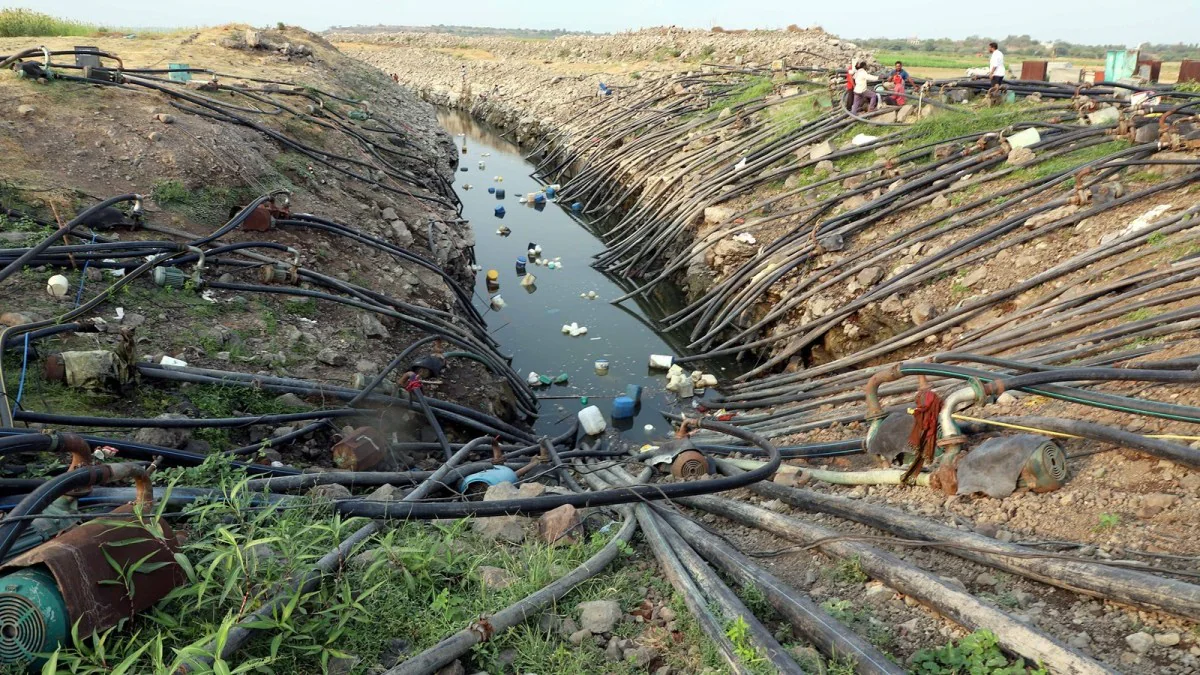
Mumbai is preparing for a potential reduction in its daily water supply as reservoir levels dip sharply ahead of the monsoon, prompting civic authorities to propose a calibrated cut beginning early May. The move reflects mounting pressure on urban water systems during extreme summer conditions and highlights the growing need for long-term climate-resilient resource planning in India’s financial capital. According to municipal estimates, the city’s seven key lakes have dropped to below one-third of their total storage capacity, leaving officials with limited buffer before the expected arrival of monsoon rains. The proposed Mumbai water cut of 10 per cent is being positioned as a preventive measure to extend available reserves over the coming weeks, when evaporation rates are typically at their peak.
Urban planners note that such seasonal shortages are no longer isolated events but part of a broader pattern linked to rising temperatures, erratic rainfall cycles, and increasing demand from a growing metropolitan population. Mumbai’s daily water requirement already exceeds supply in peak months, placing stress on both infrastructure and equitable distribution across neighbourhoods. If implemented, the Mumbai water cut could translate into a daily deficit of several hundred million litres, affecting both residential and commercial users. In practical terms, this often results in reduced water pressure, shorter supply windows, and uneven access—especially in peripheral and informal settlements. Experts argue that such outcomes disproportionately impact vulnerable communities, reinforcing the need for inclusive water management strategies. Authorities are also exploring contingency options, including drawing from state-managed reserve allocations, to cushion the impact.
However, water policy analysts caution that emergency withdrawals cannot substitute structural reforms such as leak reduction, decentralised storage, wastewater recycling, and demand-side efficiency measures. The situation extends beyond Mumbai’s municipal boundaries. Satellite urban centres within the metropolitan region are also reporting declining storage levels, indicating a region-wide strain on shared water resources. This underscores the importance of integrated basin-level planning rather than fragmented, city-specific responses. From a sustainability perspective, the recurring need for a Mumbai water cut signals the urgency of diversifying water sources and reducing dependence on monsoon-fed reservoirs. Investments in rainwater harvesting, aquifer recharge, and circular water use systems are increasingly seen as essential for building resilience in dense urban environments.
For now, civic officials are urging residents and businesses to adopt immediate conservation practices, including limiting non-essential consumption. As the city navigates another pre-monsoon crunch, the coming weeks will test both administrative preparedness and public cooperation. The broader question remains whether Mumbai can transition from reactive water rationing to a more resilient, forward-looking model that aligns infrastructure, climate realities, and equitable access for all residents.