


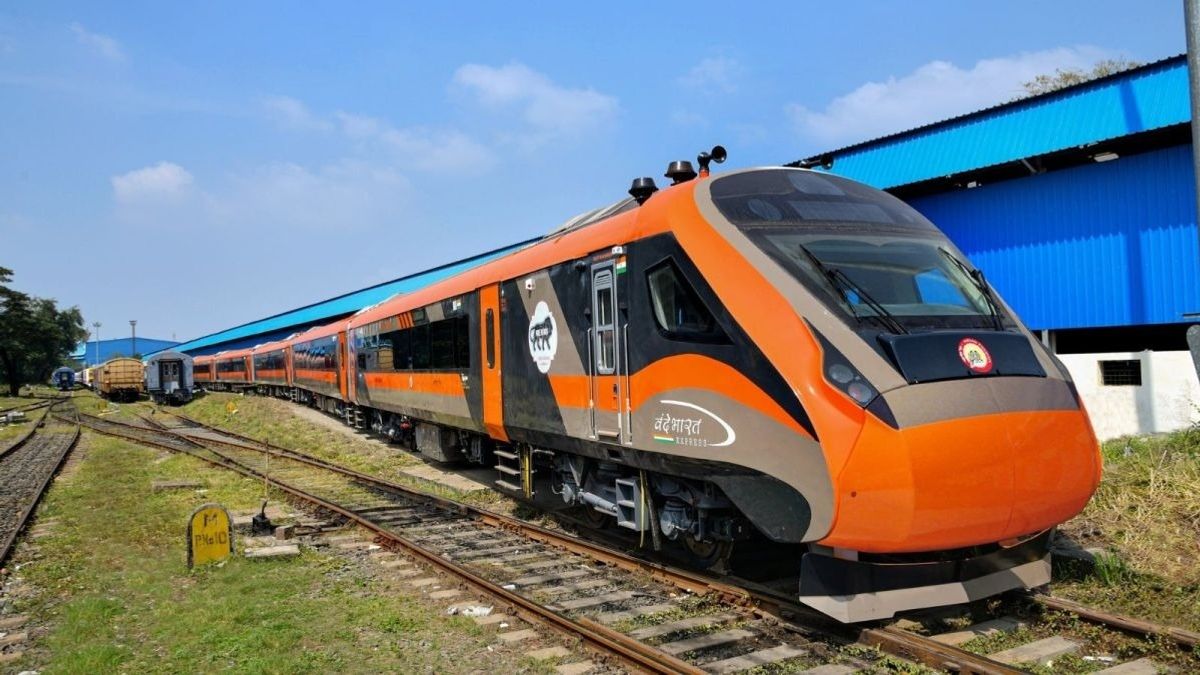
Recent changes to the Vande Bharat train operations on the Mumbai–Ahmedabad corridor are beginning to reshape travel patterns, with route adjustments and service expansions affecting daily commuters and intercity passengers. The update signals an evolving rail strategy aimed at improving efficiency, but it has also raised concerns over accessibility and last-mile connectivity for certain users. The revised operations involve modifications to the Karnavati-linked route, altering how passengers access high-speed rail services between Ahmedabad and Mumbai.
While the adjustments are intended to streamline schedules and optimise network utilisation, commuters accustomed to earlier boarding points are now facing longer travel times or the need to change routes. The Ahmedabad Vande Bharat route change reflects a broader shift in how premium rail services are being integrated into existing transport systems. As newer, faster trains are introduced, operational priorities often focus on reducing turnaround times and improving punctuality. However, such changes can create gaps in convenience, particularly for passengers relying on specific station access. Urban mobility experts note that Ahmedabad’s expanding metropolitan footprint requires a more integrated approach to transport planning. Rail services, especially high-speed or semi-high-speed options, must be aligned with local transit systems such as buses and feeder networks to ensure seamless connectivity. Without this, efficiency gains at the network level may translate into inconvenience at the user level. The Ahmedabad Vande Bharat route change also has implications for travel behaviour. Passengers may shift to alternative modes, including road transport, if rail access becomes less convenient. This could increase traffic congestion and emissions, counteracting the environmental benefits of high-speed rail. From an economic perspective, improved rail connectivity between Ahmedabad and Mumbai remains a key driver of business and trade. Faster travel times can enhance productivity and strengthen regional linkages. However, ensuring equitable access to these services is essential so that benefits are not limited to specific segments of travellers.
There are also planning considerations for future rail expansion. As demand grows, authorities may need to balance operational efficiency with accessibility, potentially by adding feeder services, upgrading station infrastructure, or revisiting route alignments. As Ahmedabad continues to evolve into a major urban and economic centre, transport decisions like these will play a critical role in shaping mobility outcomes. The challenge will be to ensure that improvements in speed and efficiency are matched by inclusive, user-friendly systems that support sustainable and accessible urban travel for all.
ALSO READ – Ahmedabad Poll Monitoring Boosts Urban Safety Measures
Ahmedabad Vande Bharat Route Shift Impacts Commuters
