


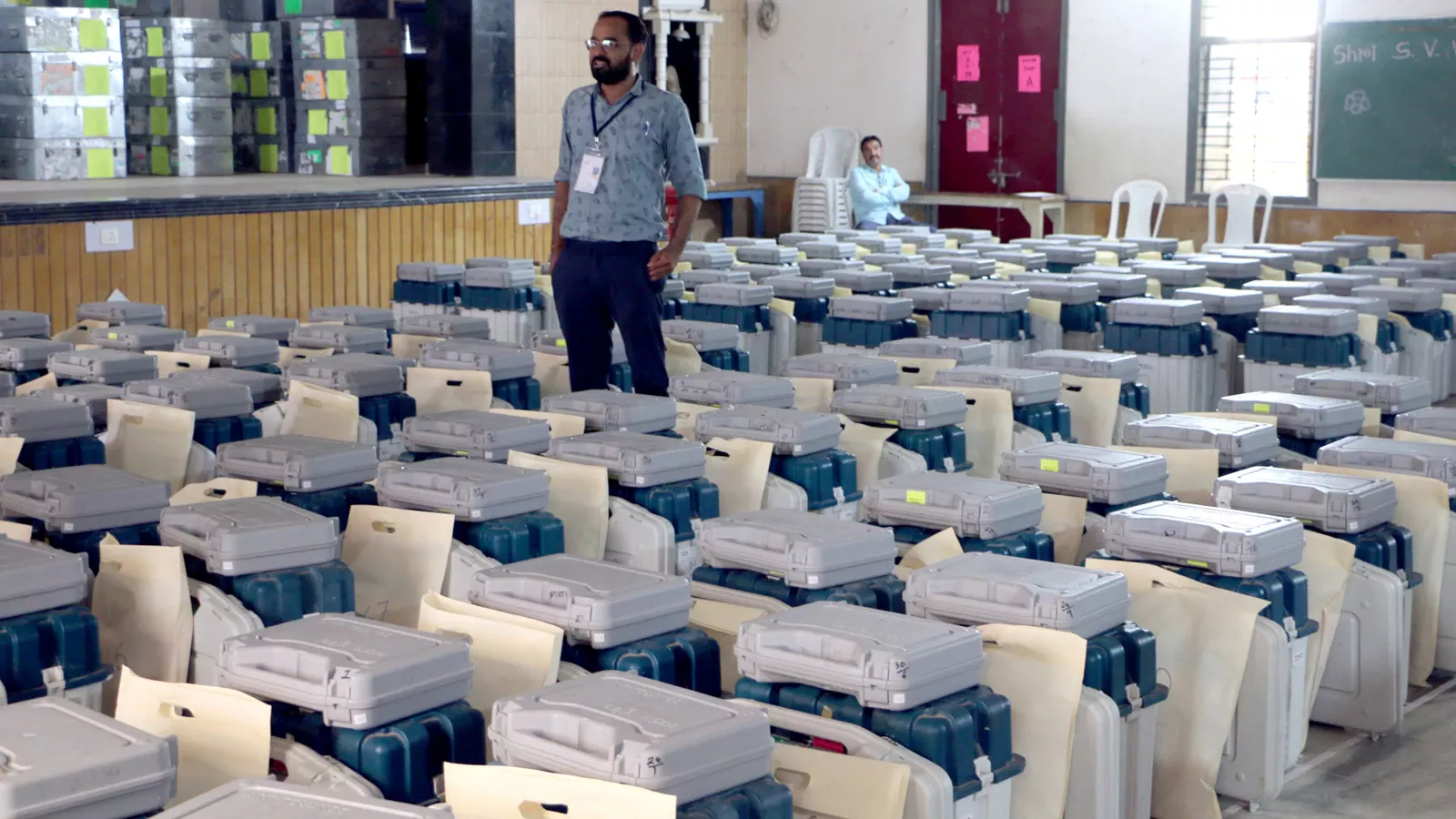
Authorities in Ahmedabad have introduced a new monitoring mechanism to strengthen oversight during local body elections, reflecting a growing reliance on technology to manage civic processes in expanding urban regions. The initiative, deployed by rural police units, aims to improve coordination, transparency, and real-time response during polling across sensitive and high-activity areas. The system—designed as a structured monitoring framework—integrates field-level reporting with centralised supervision, enabling officials to track developments across polling locations more efficiently.
It is being used to oversee law and order, identify potential disruptions, and ensure smoother conduct of elections in both urban fringes and rural pockets linked to the city. At the centre of the effort is the Ahmedabad poll monitoring system, which represents a shift toward data-driven governance. By combining surveillance inputs, communication networks, and rapid reporting tools, authorities are attempting to reduce response times and improve situational awareness during large-scale public events. Urban governance experts note that such systems are becoming increasingly relevant as cities expand and administrative boundaries blur. Managing elections in peri-urban regions—where urban and rural characteristics overlap—requires adaptable frameworks that can handle diverse challenges, from crowd management to logistical coordination. The Ahmedabad poll monitoring system also highlights the broader trend of integrating technology into public administration. Beyond elections, similar tools can be used for disaster response, traffic management, and public safety monitoring, making them valuable assets in building resilient urban systems. However, experts caution that the adoption of surveillance-based systems must be balanced with accountability and privacy safeguards. Transparent protocols, clear data usage policies, and oversight mechanisms are essential to ensure that such technologies serve public interest without compromising individual rights.
From a citizen perspective, improved monitoring can enhance confidence in the electoral process by ensuring that polling remains orderly and secure. For authorities, it offers a way to manage complex operations more effectively, particularly in densely populated or high-risk areas. As Ahmedabad continues to evolve as a major urban centre, the use of technology in governance is likely to expand. The challenge will be to ensure that these tools are deployed responsibly, inclusively, and in ways that strengthen both civic trust and urban resilience
ALSO READ – Ahmedabad Heatwave Challenges Voters During Civic Polls
Ahmedabad Poll Monitoring Boosts Urban Safety Measures
