


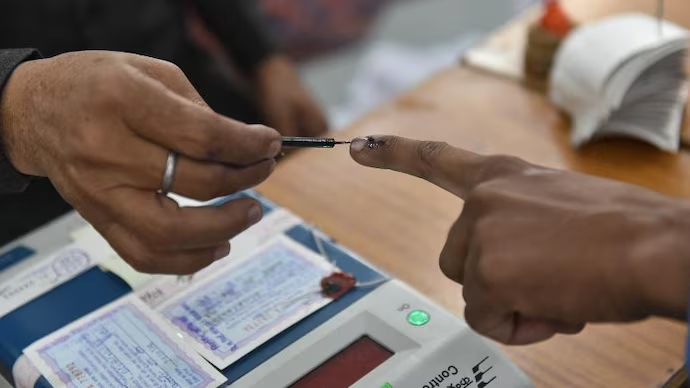
Ahmedabad is witnessing local body elections under extreme weather conditions, with temperatures touching 44°C, testing both voter turnout and the city’s preparedness for climate-resilient civic processes. The intense heat has added a new layer of challenge to an already significant democratic exercise that will shape urban governance and service delivery. Polling across the city began early, with authorities attempting to manage the impact of the heatwave through basic arrangements such as shaded waiting areas and drinking water facilities.
However, prolonged exposure to high temperatures has raised concerns about voter safety, particularly for elderly citizens and those travelling long distances to polling stations. The Ahmedabad heatwave elections underscore how climate conditions are increasingly intersecting with urban governance. As cities face rising temperatures and more frequent heatwaves, ensuring safe access to public services—including voting—has become a critical aspect of planning. Urban health experts note that temperatures above 40°C can significantly increase the risk of dehydration, heat exhaustion, and other heat-related illnesses. In densely populated areas with limited tree cover or shaded infrastructure, these risks are further amplified. For Ahmedabad, which has experienced recurring heatwaves in recent years, the situation highlights the need for stronger climate adaptation strategies. The Ahmedabad heatwave elections also raise questions about infrastructure readiness. Polling stations, often located in schools or public buildings, may not always be equipped with adequate cooling or ventilation systems. This can affect both voters and polling staff, particularly during peak afternoon hours. From a broader urban planning perspective, the situation points to the importance of designing cities that can withstand extreme weather while maintaining essential services. Measures such as increasing urban green cover, improving building design, and creating climate-responsive public spaces can help reduce heat stress over time. There are also implications for civic participation. Extreme weather conditions can discourage voter turnout, potentially affecting representation and democratic outcomes. Ensuring that elections remain accessible under such conditions may require adjustments in scheduling, infrastructure, and public communication.
As Ahmedabad continues to grow, the overlap between climate challenges and urban governance is becoming more pronounced. The current election serves as a reminder that building resilient cities involves not only infrastructure and policy but also ensuring that civic processes remain inclusive, safe, and adaptable in the face of changing environmental realities.
ALSO READ – Ahmedabad Local Polls Shape Urban Governance Future
Ahmedabad Heatwave Challenges Voters During Civic Polls
