


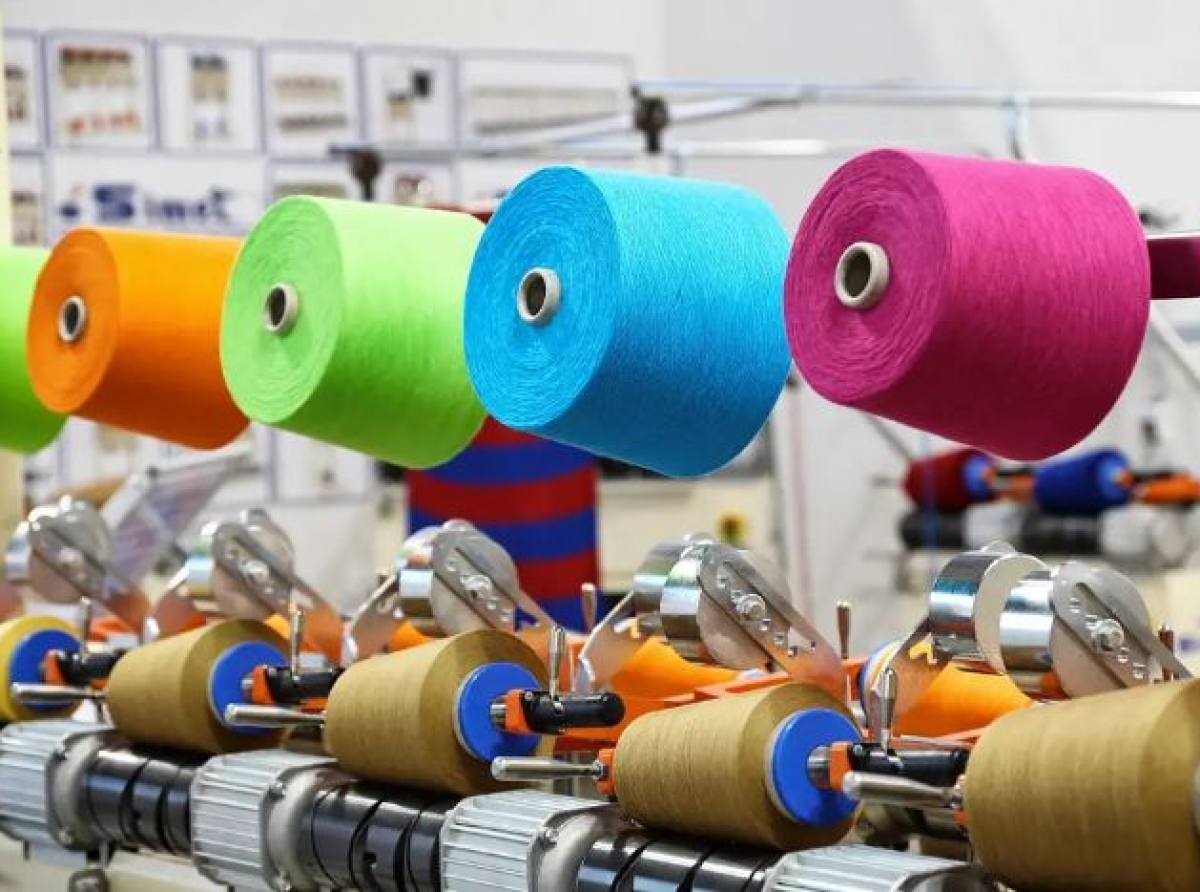
Rising feedstock costs across Asia’s garment supply chain are beginning to weigh heavily on Surat’s textile industry, tightening margins and slowing production in one of India’s most critical manufacturing clusters. The escalation in raw material prices—linked to petrochemical inputs used in synthetic fibres—has exposed the vulnerability of urban industrial ecosystems to global cost fluctuations. Polyester and other man-made fibres, widely used in Surat’s textile units, are derived from petroleum-based feedstock.
As prices of these inputs increase, manufacturers are facing higher production costs that are difficult to pass on in a competitive market. The result is a squeeze on profitability, particularly for small and mid-sized units that operate on thin margins. The Surat feedstock cost surge is already influencing operational decisions. Industry participants report reduced output, cautious procurement of raw materials, and delays in scaling production cycles. Some units are adjusting working hours or temporarily slowing activity to manage rising expenses, creating uncertainty for workers dependent on consistent wages. Urban economists note that Surat’s industrial model—built around high-volume, cost-efficient textile production—is especially sensitive to such cost pressures. When feedstock prices rise sharply, the impact extends beyond factory floors to transport services, wholesale markets, and export channels, affecting the broader urban economy. The Surat feedstock cost surge also raises concerns about global competitiveness. As input costs rise, manufacturers may struggle to maintain price advantages in international markets, potentially affecting export volumes. At the same time, demand fluctuations in key global markets add another layer of uncertainty, making it harder for producers to plan ahead. From a sustainability perspective, the situation highlights the risks associated with heavy reliance on fossil fuel-based materials. Experts suggest that diversifying into recycled fibres, improving energy efficiency, and adopting circular production models could help reduce exposure to volatile feedstock prices while lowering environmental impact. There are also implications for labour and urban livelihoods. Reduced production activity can translate into fewer working hours and income instability for thousands of workers, many of whom are migrants. This, in turn, affects local consumption patterns and the functioning of the city’s informal economy.
Policy experts argue that addressing such challenges will require coordinated efforts—ranging from stabilising supply chains and improving access to alternative materials, to supporting small manufacturers through financial and technological upgrades. As global cost pressures persist, Surat’s textile sector faces a critical test. The path forward will depend on how effectively the industry adapts to changing input dynamics while building resilience, maintaining competitiveness, and ensuring that growth remains sustainable and inclusive.
ALSO READ – Surat Textile Crisis Triggers Worker Exodus
Surat Textile Costs Surge Amid Feedstock Crisis
