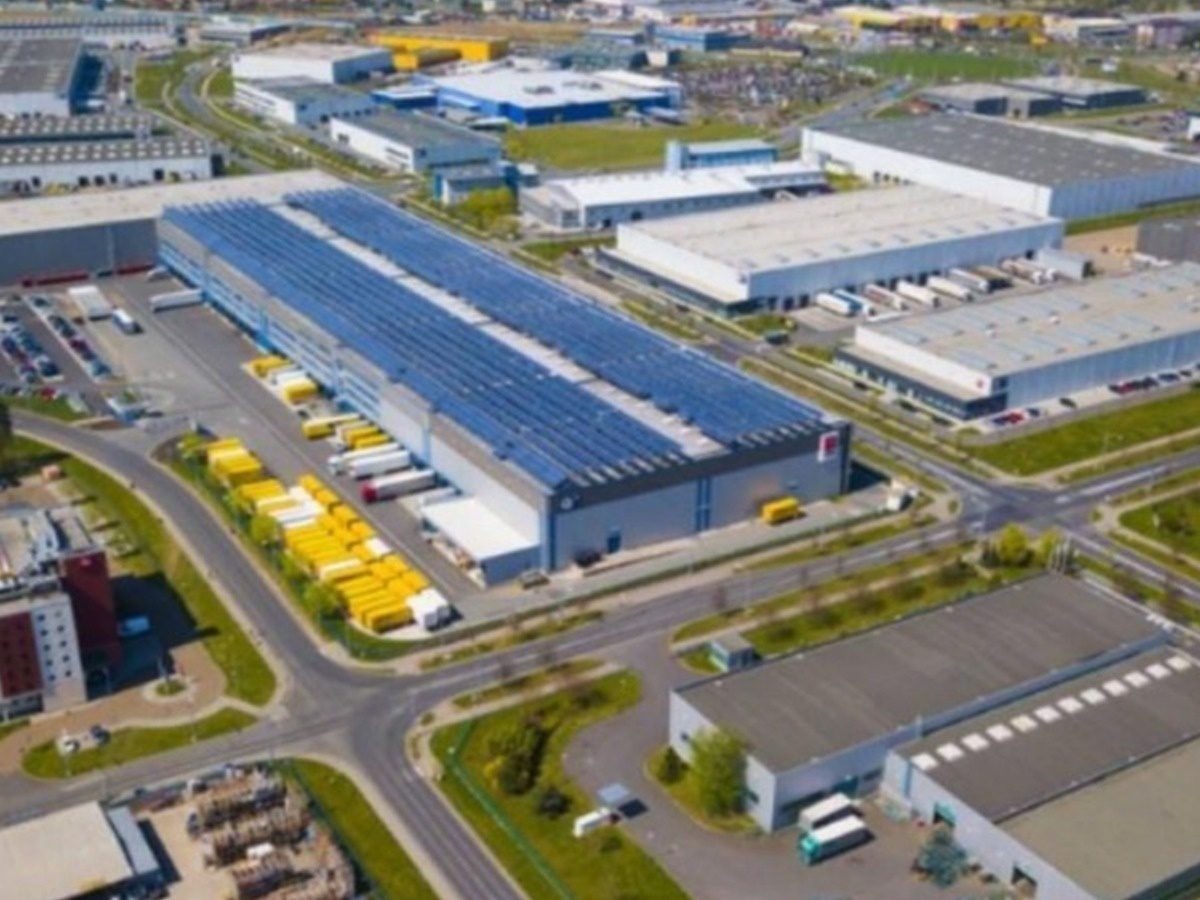
Navi Mumbai’s transformation into a regional freight and distribution hub is gathering pace, with authorities initiating the first round of investor interest for a large-scale logistics development near Chirle. The move signals a strategic push to consolidate the region’s position within India’s evolving supply chain network, while also raising questions about how industrial expansion can align with sustainable urban growth. The proposed Navi Mumbai logistics park is planned across a substantial land parcel in the Pushpak node, an area positioned at the intersection of emerging transport infrastructure. The development is expected to integrate warehousing, freight handling, and allied industrial activities within a structured framework supported by roads, utilities, and shared facilities. Officials indicate that the initial phase will focus on allocating select land parcels through a competitive process, marking the project’s transition from planning to execution.
This initiative builds on Navi Mumbai’s geographic advantage. Proximity to the country’s largest container port, the upcoming international airport, and major connectivity projects has already begun to reshape the region’s economic profile. Industry experts suggest that such integrated hubs can reduce logistics costs, improve turnaround times, and enhance supply chain resilience—key priorities for a rapidly growing economy. However, the scale of the Navi Mumbai logistics park also underscores the importance of balancing industrial growth with environmental and social considerations. Large logistics zones often bring increased traffic, land-use pressures, and resource demands. Urban planners emphasise that integrating green infrastructure, efficient drainage systems, and low-emission transport solutions will be critical to ensure long-term sustainability. The master planning approach for the project reflects an attempt to organise land use into distinct logistics zones, supported by a hierarchy of road networks designed to handle heavy vehicle movement.
Authorities are expected to invest in trunk infrastructure—such as water supply, sewerage, and stormwater systems—before private players develop individual plots. This model aims to reduce fragmentation and ensure a baseline level of service across the site. Beyond freight operations, the development is likely to influence the surrounding urban landscape. As logistics and industrial activity expand, demand for housing, social infrastructure, and services typically follows. Analysts note that without careful planning, this can lead to uneven growth or strain on existing civic systems. Conversely, a well-integrated approach could create new employment opportunities and support more balanced regional development. Policy alignment also plays a role, with the project designed to fit within the state’s broader logistics and industrial framework. By clustering activities such as warehousing, light manufacturing, and container handling in a single location, authorities aim to reduce inefficiencies associated with dispersed industrial growth.
As the bidding process progresses, attention will shift to investor participation and the pace of on-ground development. For Navi Mumbai, the success of this logistics hub will depend not only on its scale but on how effectively it integrates with transport networks, urban planning goals, and environmental safeguards. The coming years will test whether such projects can deliver both economic momentum and a more resilient, future-ready urban ecosystem.