


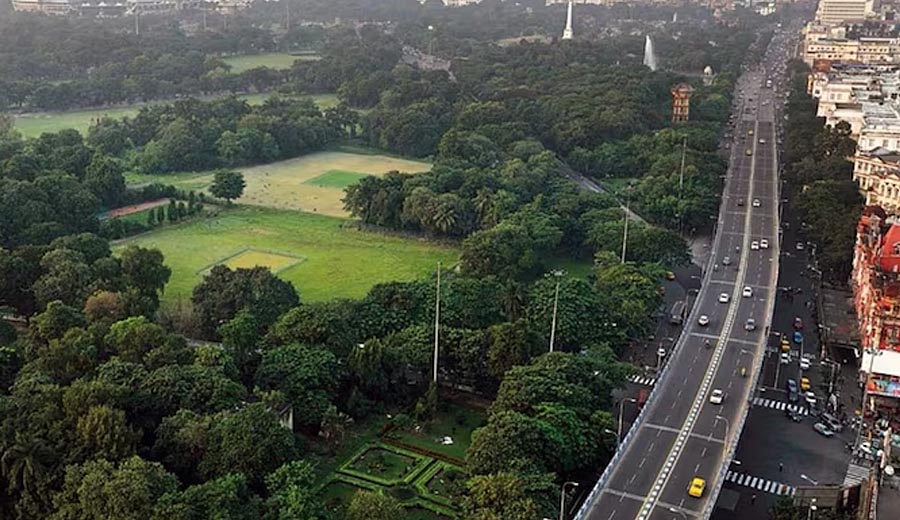
A growing focus on Kolkata’s long-standing trees is drawing attention to the city’s often-overlooked ecological assets, with several iconic specimens emerging as symbols of both environmental resilience and cultural memory. These trees, embedded within busy streets and historic precincts, offer a living record of how urban nature can coexist with dense development.
Urban ecologists note that Kolkata’s green cover has evolved unevenly over decades, with mature trees playing a disproportionately important role in regulating temperature, improving air quality, and supporting biodiversity. In a city increasingly grappling with heat stress and pollution, these natural assets are becoming critical to climate adaptation strategies.Many of these trees have stood for generations, witnessing shifts in land use, infrastructure expansion, and changing neighbourhood dynamics. Their presence often defines local identity, acting as informal landmarks and gathering points. This intersection of ecology and culture underscores the importance of integrating natural heritage into urban planning frameworks.The Kolkata green cover heritage conversation also reflects a broader challenge faced by rapidly urbanising cities: balancing development pressures with environmental preservation. Road widening, construction activity, and utility upgrades frequently threaten mature trees, which take decades to replace. Experts argue that conventional compensatory plantation policies rarely match the ecological value of established canopies.From a sustainability perspective, preserving such trees is not merely about aesthetics.
Mature urban trees contribute significantly to carbon sequestration, reduce surface temperatures, and help manage stormwater runoff. Their role becomes even more crucial in dense neighbourhoods where open spaces are limited.Urban planners suggest that cities like Kolkata need more robust tree protection policies, including detailed mapping, legal safeguards, and community stewardship models. Citizen participation has often played a decisive role in protecting neighbourhood trees, indicating the potential for collaborative governance approaches.The Kolkata green cover heritage narrative also ties into economic considerations. Green, well-shaded urban environments tend to enhance property values, support local businesses, and improve overall liveability. As cities compete to attract talent and investment, environmental quality is increasingly seen as a key differentiator.However, experts caution that preserving urban greenery requires long-term commitment rather than episodic attention.Integrating tree conservation into infrastructure planning, adopting climate-sensitive design standards, and prioritising native species can help ensure that development does not come at the cost of ecological stability.
As Kolkata continues to expand and modernise, its historic trees offer a reminder that sustainable urban futures depend as much on protecting existing natural assets as on creating new ones. The challenge ahead lies in embedding this understanding into everyday planning decisions, ensuring that the city’s green legacy remains intact for future generations.
Also Read:Kolkata Bike Ban Impact Disrupts Urban Mobility
