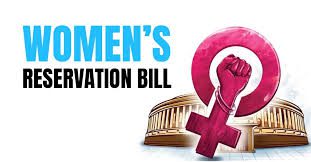
A stalled legislative effort to amend a key women’s protection framework has triggered fresh political friction in Delhi, raising wider questions about how delays in gender-focused laws can affect urban inclusion and governance. The deadlock, emerging after the proposed amendment failed to secure passage in Parliament, highlights the growing disconnect between policy intent and legislative execution in India’s capital region.
At its core, the setback reflects more than a procedural disagreement. In a city where gender safety, mobility, and economic participation remain central to urban planning debates, delays in strengthening legal safeguards risk undermining long-term goals around inclusive development. Urban planners note that legal frameworks often shape how cities allocate resources for safety infrastructure, public transport access, and employment participation for women. Officials within the city administration have pointed to political divisions as a key factor behind the impasse. However, policy analysts suggest that repeated disruptions to reform-oriented legislation could have deeper implications. “When governance becomes reactive rather than anticipatory, cities struggle to align legal frameworks with evolving social needs,” said an urban policy expert tracking gender-sensitive planning. The timing is particularly significant. Delhi has been investing in initiatives aimed at improving public safety, last-mile connectivity, and workforce participation among women.
Yet, without complementary legislative backing, such measures risk remaining fragmented. Experts argue that the absence of updated legal provisions weakens enforcement mechanisms, especially in densely populated urban areas where informal economies and public spaces overlap. The issue also intersects with economic productivity. Studies have consistently shown that safer and more inclusive urban environments enable higher female labour force participation. In Delhi’s case, the delay in reforming the women law amendment could indirectly impact workforce diversity and economic resilience, particularly in sectors reliant on service and informal employment.
Beyond immediate political implications, the episode underscores a broader governance challenge: how to ensure continuity in citizen-focused reforms amid competing political narratives. Infrastructure-led development has dominated recent urban discourse, but social infrastructure—including legal protections—remains equally critical for building resilient cities.
There is also a climate dimension often overlooked. As cities adapt to climate stress, vulnerable populations—including women—face disproportionate risks in accessing safe transport, housing, and emergency services. Strengthening legal frameworks is seen as a foundational step in ensuring equitable climate resilience planning.
For now, the legislative pause leaves a policy gap that city stakeholders will be watching closely. Whether through renewed political consensus or alternative policy routes, the next steps will determine how effectively Delhi can align its governance systems with its ambition of becoming a safer, more inclusive urban ecosystem. The outcome could shape not just legal reform, but the everyday lived experience of millions navigating the city.