


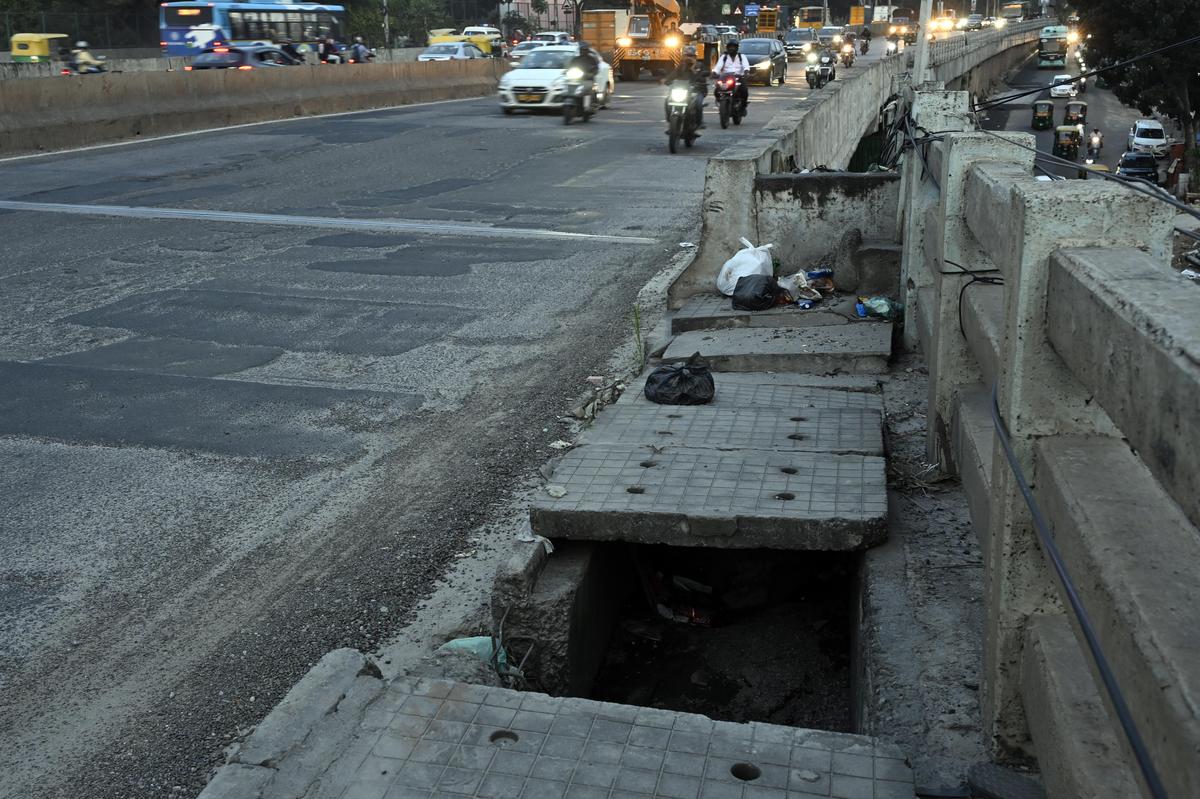
In Bengaluru, the long-pending Intermediate Ring Road (IRR) has resurfaced in planning discussions after nearly three decades, signalling renewed focus on easing congestion and improving connectivity across the city.
The proposed corridor is expected to link key arterial routes, offering an alternative to overloaded inner roads and supporting more efficient traffic movement.The revival comes at a time when Bengaluru’s transport network is under increasing strain due to rapid urban expansion and rising vehicle ownership.Existing ring roads and arterial corridors are operating beyond capacity in several stretches, leading to longer travel times and reduced productivity. Urban mobility experts suggest that completing missing links in the road network could help redistribute traffic and improve overall flow.However, planners caution that large-scale road projects must be evaluated within a broader mobility framework. While additional road capacity can provide short-term relief, it may also induce more traffic over time if not complemented by strong public transport systems. Integrating the proposed IRR with mass transit networks such as Namma Metro and bus corridors will be critical to ensuring sustainable outcomes.Land acquisition and alignment challenges are likely to be key considerations as the project moves forward.
Over the years, urbanisation along the proposed route has intensified, increasing both the complexity and cost of implementation. Experts note that careful planning will be required to minimise displacement and ensure equitable outcomes for affected communities.From an economic standpoint, improved connectivity can unlock new growth corridors, influencing real estate development and commercial activity.Peripheral areas connected by the ring road could see increased investment, potentially easing pressure on the city’s core.However, this also raises concerns about unchecked urban sprawl if development is not guided by clear land-use policies.Sustainability remains a central concern in the context of expanding road infrastructure.Increased vehicular capacity can lead to higher emissions unless accompanied by measures to promote cleaner mobility options. Urban planners emphasise the need to incorporate features such as dedicated bus lanes, cycling infrastructure, and green buffers into the project design.The revival of the Intermediate Ring Road also highlights the importance of long-term planning continuity.Delays spanning decades often result in higher costs and missed opportunities, underscoring the need for consistent policy direction and institutional coordination.
As Bengaluru revisits this critical infrastructure project, the challenge will be to balance immediate mobility needs with long-term sustainability goals. Ensuring that the IRR supports an integrated, multimodal transport system will be key to enhancing urban resilience and maintaining the city’s economic momentum.
Also Read:Bengaluru onion price crash impacts food sector
