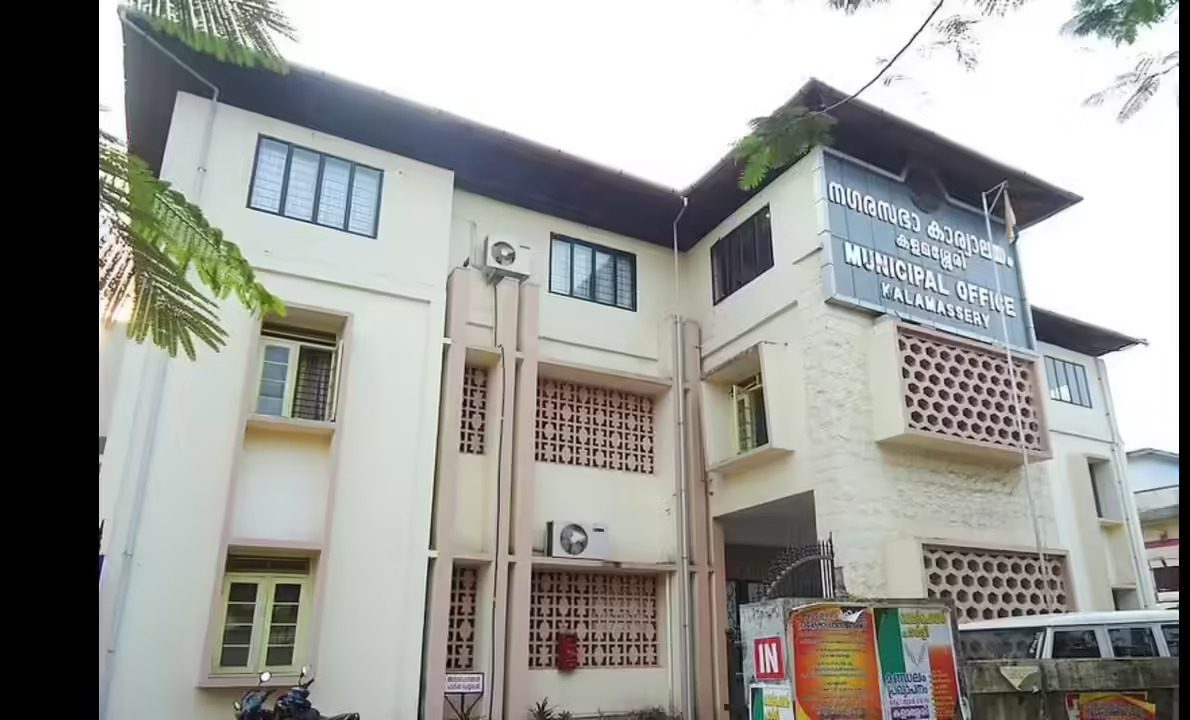
For the first time since 1991, a fast-growing municipality in Greater Kochi has formally moved to tear up its archaic land use blueprint. Kalamassery has issued a draft notification for structural changes to its city plan, acknowledging that a framework designed three decades ago is actively harming livability and stalling critical infrastructure.
The amendment, published in mid-March, creates a two-tier system. While Kochi city now operates under the 2040 master plan, neighbouring bodies remain trapped under the 1991 rules—a mismatch that a municipal chairperson described as producing “impractical” outcomes given today’s traffic loads and environmental shifts. The draft seeks to bridge this gap until the comprehensive Amrut Master Plan (2040) takes full effect. The most debated change involves agricultural zones. Officials have reclassified land based on flood vulnerability—a significant nod to climate resilience. In areas designated “agriculture with flood risk,” residential construction limits rise from 300 to 500 square metres, and commercial limits from 200 to 300 square metres. But urban planners tracking Kerala’s flood history warn that relaxing floodplain construction rules without corresponding stormwater management mandates could repeat past mistakes.
In “agriculture without flood risk” zones, the draft permits all residential types, including apartment complexes. Warehouses are now allowed on plots with seven-metre road access. The more transformative shift, however, is the introduction of “Mixed-Use Development” across previously siloed residential, commercial, and industrial zones. Residential projects can now come up inside industrial areas. Commercial limits in public zones have jumped fivefold—from 200 to 1,000 square metres. A senior official involved in the drafting told Urban Acres that the changes directly respond to pending court cases and public grievances over land use restrictions. Major projects—including the Judicial City, a logistics park, and the Infopark expansion—now have clearer approval pathways.
On mobility, the draft scraps several unworkable 27-metre road proposals. In their place are realistic transit corridors: the Seaport-Airport Road Phase II at 45 metres, a new NH 966A link at 45 metres, and upgraded roads ranging from 18 to 22 metres. For real estate analysts, this signals a shift toward corridor-based densification rather than haphazard sprawl. The public window for submitting objections or suggestions remains open for 60 days. The real test will be whether the final version strengthens flood resilience conditions before allowing denser construction on vulnerable land.
Kerala Town Opens Farm Land For Mixed Use