


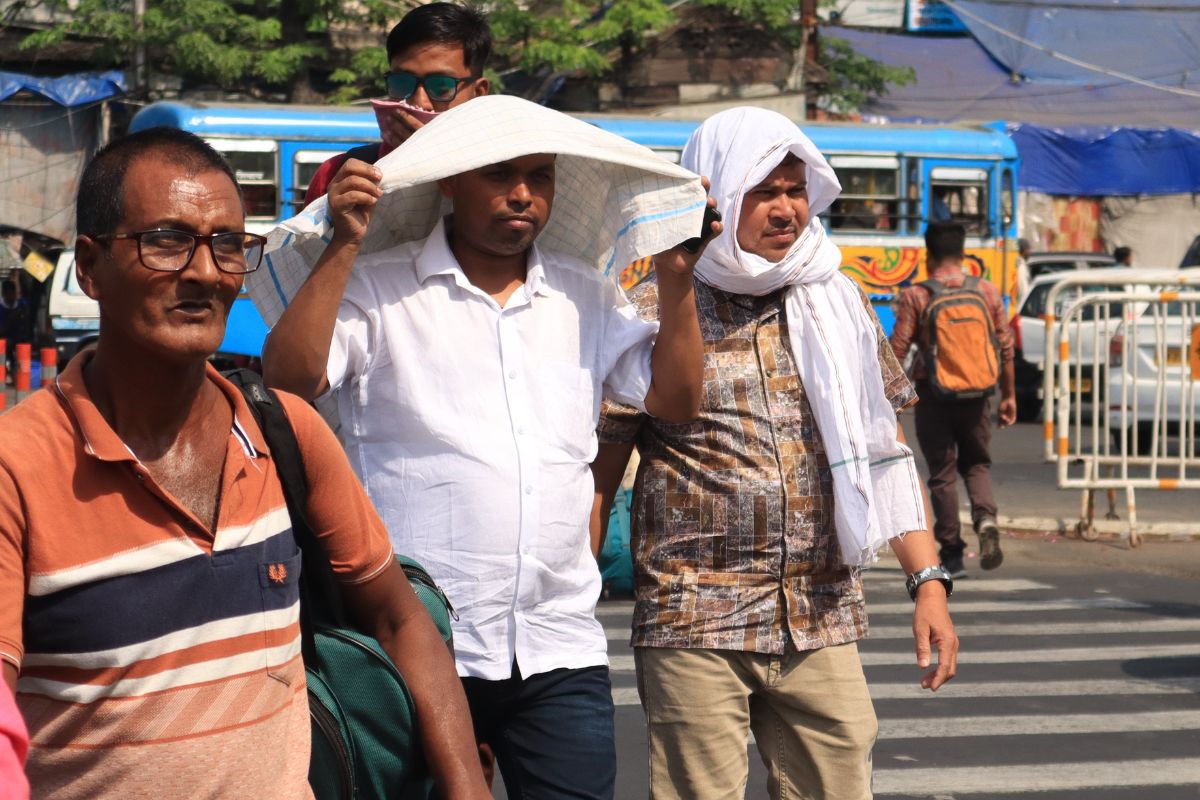
In Kolkata, a forecast of rising temperatures approaching 40°C this week is intensifying concerns around urban heat stress and the city’s preparedness to manage extreme weather conditions.
The prolonged spell of hot and humid weather is expected to affect daily life, with implications for public health, energy demand, and overall urban productivity.Heatwaves in dense metropolitan areas are increasingly being linked to the “urban heat island” effect, where built-up surfaces such as concrete and asphalt trap heat, raising temperatures above surrounding regions. In Kolkata, where high humidity compounds thermal discomfort, the impact on vulnerable populations—including the elderly, outdoor workers, and low-income households—can be particularly severe.Urban planners highlight that rising temperatures place additional strain on infrastructure systems. Increased reliance on cooling appliances can lead to spikes in electricity demand, testing the resilience of power networks. At the same time, water consumption tends to rise, adding pressure to already stretched supply systems during peak summer months.The situation also affects mobility and economic activity. Extreme heat can reduce productivity, disrupt outdoor work, and deter footfall in commercial areas.
Experts note that such climate-related disruptions are becoming more frequent, requiring cities to adopt adaptive strategies that go beyond short-term responses.From a sustainability perspective, mitigating urban heat requires a combination of design and policy interventions. Expanding green cover, protecting water bodies, and promoting reflective building materials can help reduce heat absorption. Integrating shaded pedestrian pathways and improving ventilation corridors are also seen as effective measures to enhance urban comfort.Public health preparedness is another critical aspect. Authorities often issue advisories to limit exposure during peak hours, but experts argue that long-term solutions must include heat action plans, accessible cooling centres, and improved housing conditions for vulnerable communities.The current weather pattern underscores the broader challenge of climate adaptation in Indian cities. As global temperatures rise, urban areas will need to incorporate resilience into planning frameworks, ensuring that infrastructure and services can withstand extreme conditions.
For Kolkata, the anticipated heat surge serves as both an immediate concern and a long-term signal. Strengthening climate-responsive urban design and infrastructure will be essential to safeguard public well-being and maintain economic stability in the face of intensifying weather extremes.
Also Read:Chennai heavy rain alert raises infrastructure concerns
