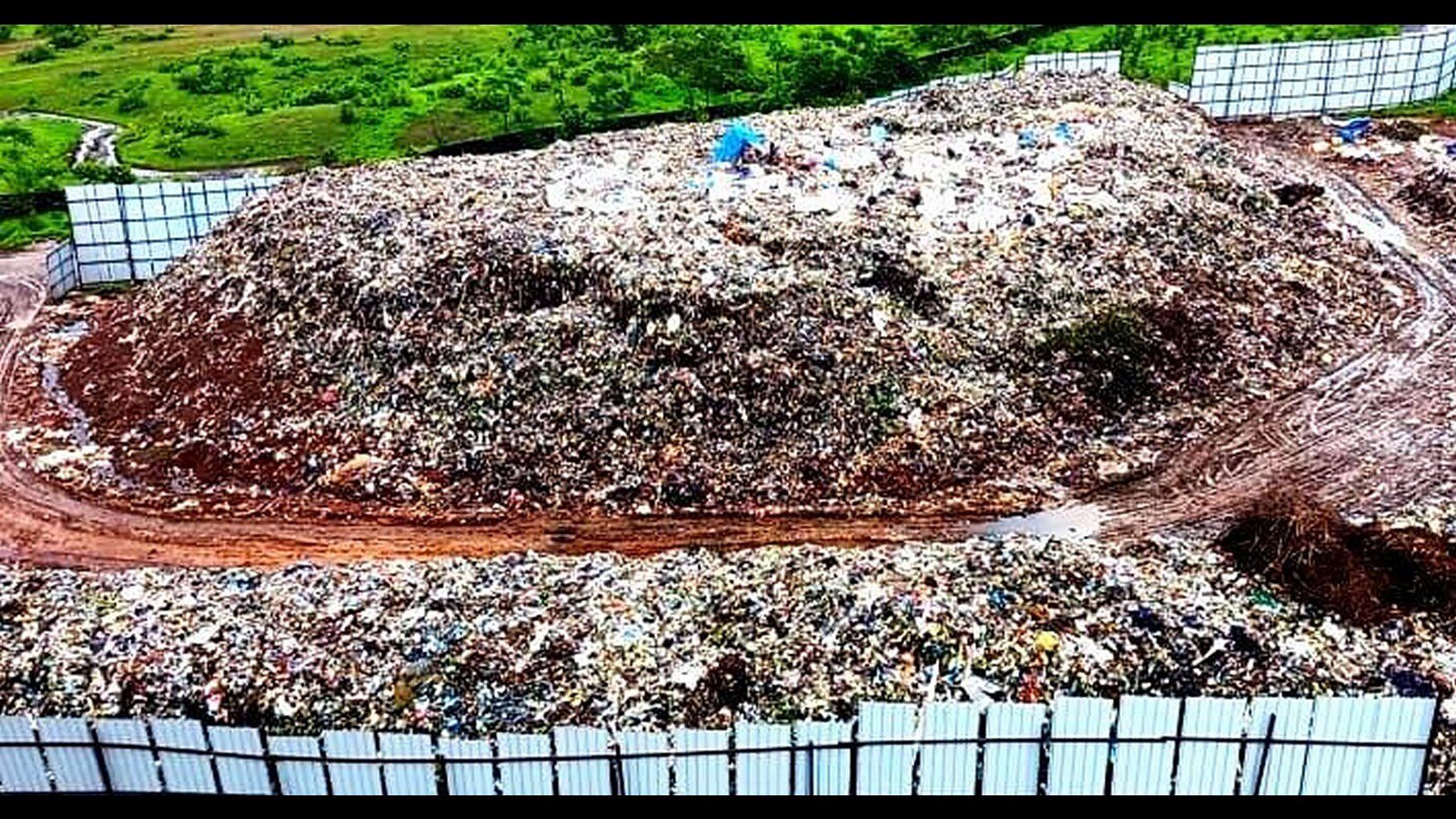
A prominent stretch in South Mumbai’s Malabar Hill is drawing concern after residents flagged a worsening garbage crisis, with accumulating waste now raising environmental and fire safety risks in one of the city’s most visited green zones. The issue, unfolding along a key arterial road connecting Malabar Hill to nearby commercial districts, highlights gaps in urban maintenance even in high-value neighbourhoods. The affected corridor, frequented by walkers and tourists visiting nearby parks and public spaces, has reportedly seen increasing volumes of uncollected waste, including plastic and dry debris. Residents say the situation has escalated in recent weeks, with the Malabar Hill garbage crisis becoming visible across roadside slopes and green patches that were once maintained as part of the area’s ecological landscape.
Urban planners note that such zones play a critical role in balancing dense city environments by providing green cover and recreational space. The deterioration of these areas, they say, signals deeper challenges in waste management systems, particularly in handling non-point dumping and maintaining hillside terrains where regular cleaning is more complex. Beyond visual degradation, safety concerns are mounting. With rising summer temperatures, the accumulation of dry leaves, mixed waste and flammable material has increased the likelihood of small fires. Local residents have reported isolated fire incidents in the vicinity, prompting fears that delayed waste clearance could amplify risks during peak heat conditions. Experts in urban resilience emphasise that unmanaged waste in green corridors not only threatens biodiversity but also undermines climate adaptation efforts. Vegetated urban slopes, when maintained, help regulate temperatures, manage runoff and improve air quality. However, when clogged with debris, these same spaces can become vulnerable to erosion, fire hazards and reduced ecological function.
Civic officials, while yet to formally outline corrective measures, are expected to assess the situation as part of routine ward-level maintenance reviews. Analysts suggest that solutions may require a combination of increased monitoring, decentralised waste collection strategies, and stricter enforcement against illegal dumping. The Malabar Hill garbage crisis also raises broader questions about equitable service delivery in rapidly expanding cities. While infrastructure investments often prioritise large-scale projects, everyday urban management—such as waste collection, street maintenance and green space preservation—remains critical to liveability. For residents and visitors alike, the condition of such public spaces directly shapes perceptions of urban quality. As Mumbai continues to position itself as a global city, maintaining its natural and recreational assets will be essential not only for environmental sustainability but also for public well-being.
Addressing the issue promptly could help restore both safety and confidence in civic systems. In the longer term, integrating technology-driven monitoring with community reporting may offer a more responsive approach to managing waste in sensitive urban landscapes.