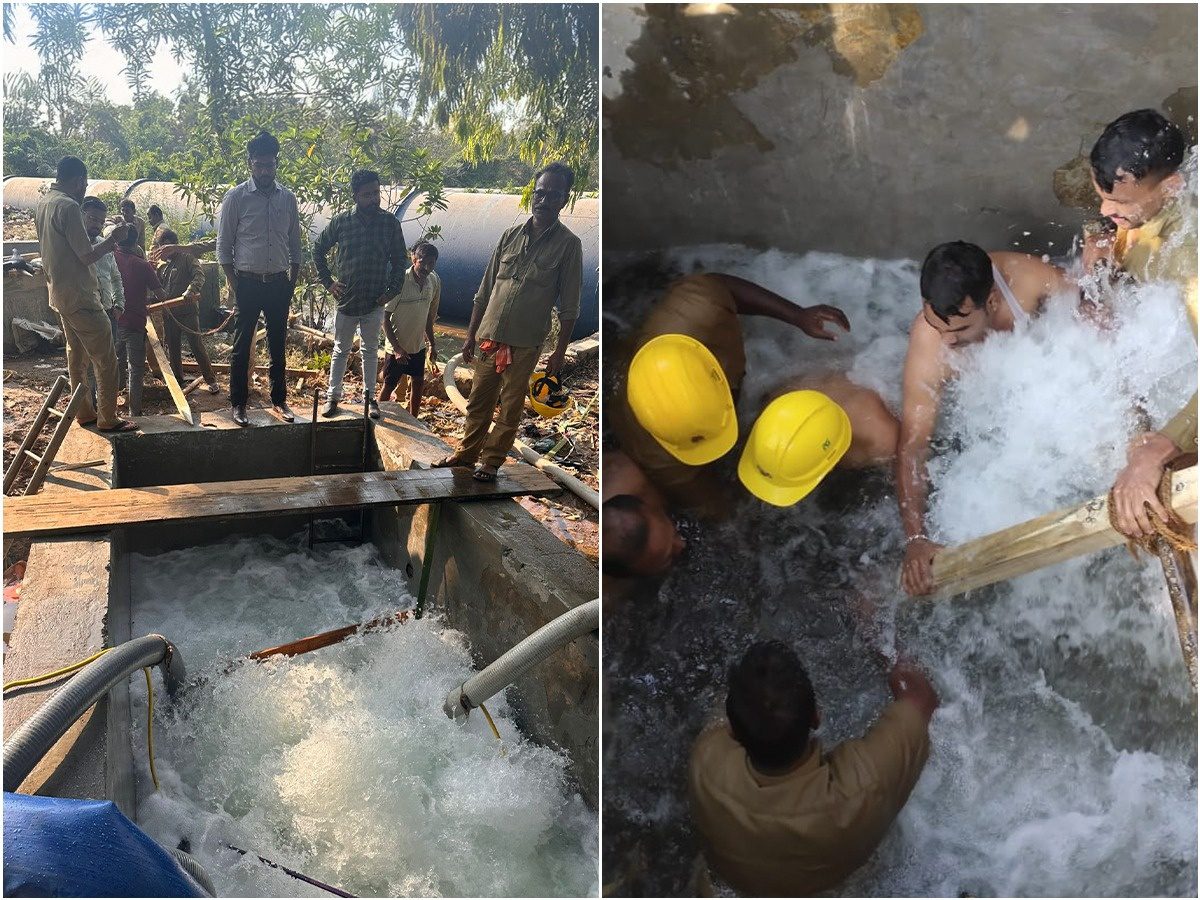
A late-evening pipeline rupture in central Mumbai disrupted water supply in parts of Prabhadevi, exposing the fragility of ageing urban infrastructure at a time when the city is already navigating planned supply reductions. The incident, reported near a key arterial stretch close to the railway station, triggered emergency repairs and raised concerns over the resilience of essential services in densely built neighbourhoods. Civic engineers identified the fault in a mid-sized distribution pipeline, leading to immediate water loss and supply interruptions in surrounding residential pockets. Repair teams were mobilised overnight, with restoration expected by early morning. However, the incident underscores a recurring challenge in Mumbai: maintaining uninterrupted services while large-scale infrastructure works continue in close proximity to existing utilities.
Officials indicated that ongoing construction activity in the vicinity, including bridge foundation work, may have complicated access and repair timelines. Urban planners note that such overlaps between new infrastructure projects and legacy utility systems often increase the risk of accidental damage or operational stress. In high-density zones like Prabhadevi, even minor disruptions can cascade into significant inconvenience for households and small businesses. The pipeline leak comes at a sensitive moment, as the city has already initiated a temporary, citywide reduction in water supply due to scheduled maintenance of major transmission tunnels. This planned cut, though modest in percentage terms, compounds the impact of localised disruptions, particularly in central and eastern districts where supply networks are heavily interlinked. Experts in urban infrastructure highlight that Mumbai’s water distribution system, much of which dates back decades, is under increasing pressure from both population growth and construction activity.
Leakages not only disrupt daily life but also contribute to non-revenue water losses—an issue that affects financial sustainability and resource efficiency in municipal systems. From a sustainability perspective, the episode points to the urgent need for integrated planning between infrastructure expansion and utility management. Climate-resilient cities require not just new projects but also the safeguarding and modernisation of existing networks. Real-time monitoring, improved mapping of underground utilities, and stricter coordination protocols between agencies are often cited as critical steps to reduce such incidents.
For residents, the immediate concern remains restoration of normal supply. Yet, the broader implication lies in how cities like Mumbai manage competing demands—upgrading infrastructure while ensuring continuity of basic services. As urban growth accelerates, the balance between development and reliability will increasingly define the quality of life and economic productivity in metropolitan regions.