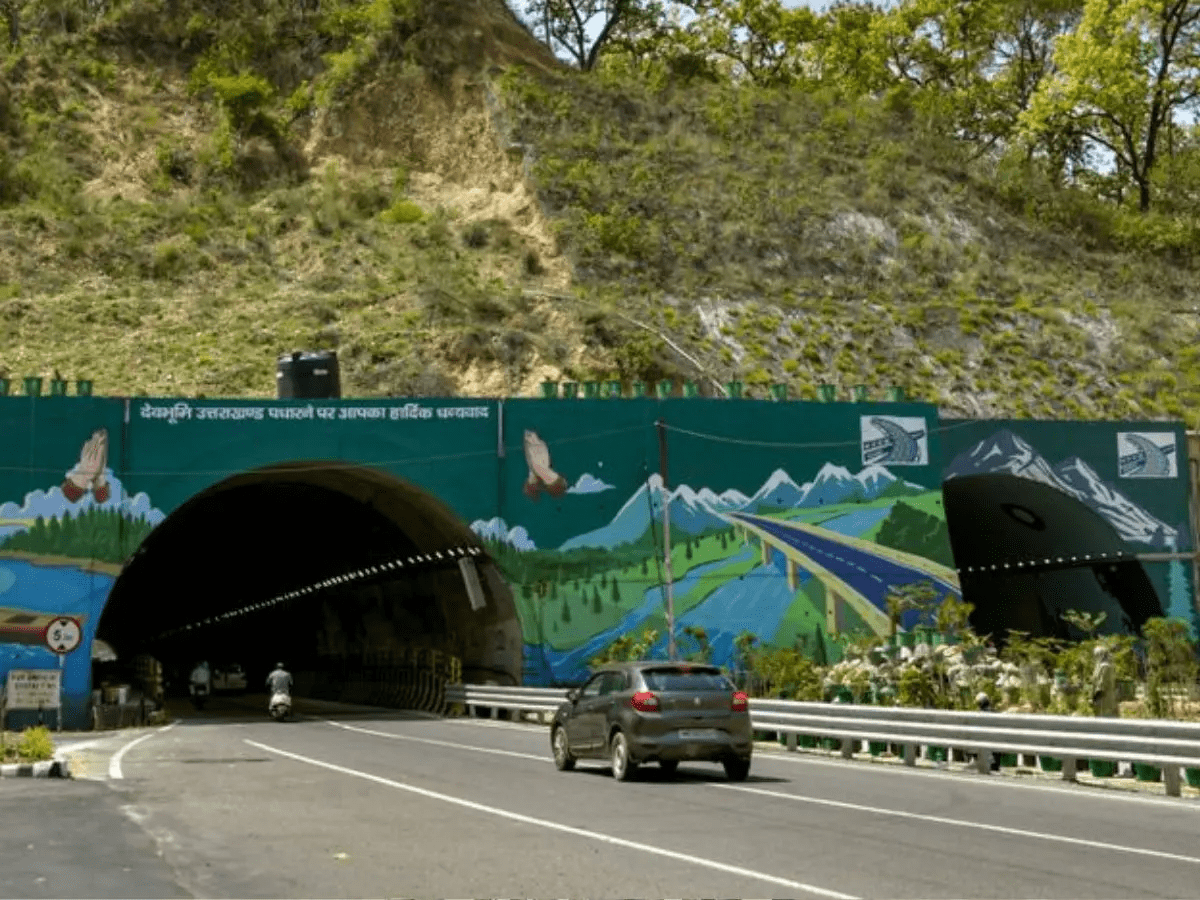
A new high-speed road link between Delhi and Dehradun is expected to significantly alter travel dynamics across northern India, positioning the Delhi Dehradun Corridor as a key infrastructure intervention aimed at improving regional mobility, trade efficiency and tourism access. The Delhi Dehradun Corridor reduces travel time between the national capital and Uttarakhand’s capital, offering faster and more predictable connectivity across a route historically affected by congestion and fragmented road conditions. For a region that serves both as an economic corridor and a gateway to ecologically sensitive Himalayan zones, the project signals a broader push towards integrated transport planning.
Urban planners point out that improved connectivity along the Delhi Dehradun Corridor could reshape economic geography by linking peri-urban and rural markets more closely with metropolitan demand centres. Sectors such as logistics, agri-supply chains and warehousing are likely to see operational efficiencies, as faster movement of goods reduces transit costs and inventory delays. This could enhance income stability for producers and small enterprises that depend on timely market access. The corridor is also expected to influence labour mobility and regional employment patterns. Infrastructure projects of this scale typically generate short-term construction jobs while creating longer-term opportunities in transport services, roadside commerce and hospitality. For emerging urban clusters along the route, this may accelerate land-use transitions, prompting both development opportunities and regulatory challenges. Tourism stands to be one of the most immediate beneficiaries. With improved access to destinations such as Dehradun, Haridwar, Rishikesh and hill stations further north, the corridor is likely to increase visitor volumes. Religious circuits, particularly those linked to Himalayan pilgrimage routes, may see more consistent flows, supporting local economies dependent on seasonal tourism. However, experts caution that such growth must be accompanied by carrying-capacity assessments to prevent ecological stress in fragile zones.
A notable design element of the Delhi Dehradun Corridor is its integration of wildlife-sensitive infrastructure. Sections of the route incorporate elevated passages intended to allow safe movement of animals across forested landscapes. This reflects an emerging approach in Indian infrastructure development, where linear projects are increasingly required to account for biodiversity conservation alongside mobility goals. From a sustainability perspective, the long-term impact of the corridor will depend on how it influences travel behaviour and land development. While faster highways can reduce vehicle idling and emissions per trip, they can also induce higher traffic volumes if not complemented by public transport alternatives and land-use planning controls. The project arrives at a time when Indian cities are attempting to balance rapid infrastructure expansion with environmental stewardship. For the Delhi Dehradun Corridor, the challenge will lie in ensuring that economic gains—ranging from trade growth to tourism revenues—are aligned with climate resilience and ecological preservation.
As regional connectivity improves, policymakers may need to focus on integrated planning frameworks that link transport investments with sustainable urbanisation strategies, ensuring that growth along the corridor remains inclusive, efficient and environmentally responsible.