Delhi Revises Tree Transplantation With Advanced Machinery
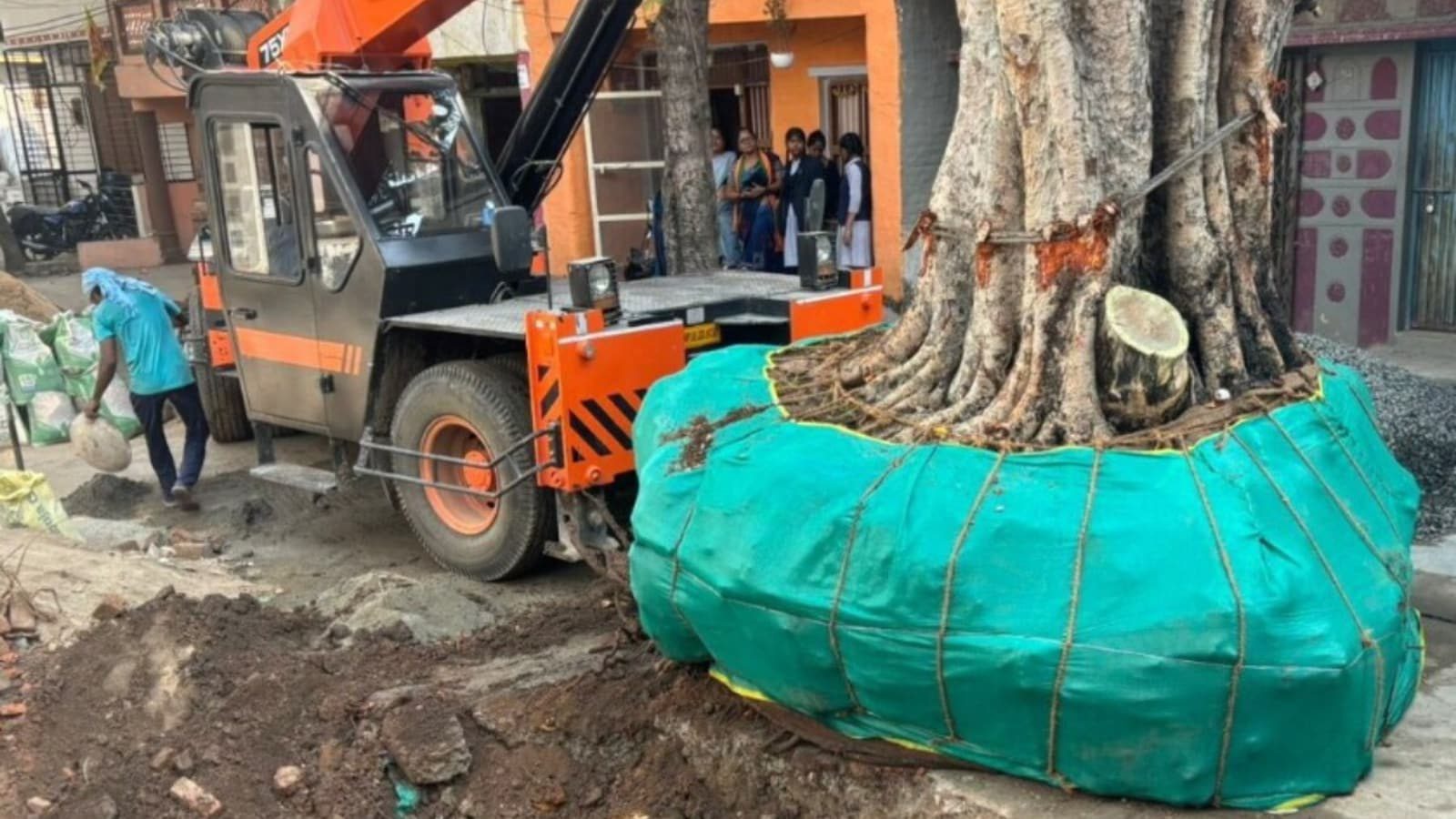
Delhi is moving to overhaul how trees are relocated for infrastructure projects, inviting specialised agencies equipped with advanced machinery in an effort to improve the city’s poor survival record. The new initiative around tree transplantation reflects growing pressure on urban authorities to balance rapid construction with ecological preservation in a climate-stressed capital. The latest expression of interest seeks firms capable of handling mature trees with precision, including equipment designed to extract root systems intact. Officials indicate that past practices often relied on conventional excavation tools, which compromised root structures and reduced post-transplant survival. By mandating modern equipment and trained operators, authorities aim to bring the tree transplantation process closer to global horticultural standards.
This policy shift comes against a backdrop of concerning data. Previous assessments have shown that only a fraction of relocated trees survived beyond initial replanting stages, raising questions about whether transplantation has been used as a procedural formality rather than a genuine ecological solution. Environmental planners argue that without high survival rates, such measures fail to compensate for the loss of established urban green cover. To address this, the empanelment criteria now extend beyond machinery to include expertise. Agencies are expected to employ certified arborists—specialists trained in tree health and management—along with skilled machine operators. Additional expertise in soil science and environmental planning is being encouraged, signalling a more interdisciplinary approach to urban greening. Parallel to the empanelment process, authorities have initiated a technical review of transplantation outcomes in the city. The study is expected to examine species suitability, soil conditions, and aftercare practices—factors often overlooked in earlier projects. Urban forestry experts note that not all tree species respond equally to relocation, and inappropriate selection has historically contributed to failure rates.
The policy rethink also highlights the broader tension between infrastructure expansion and ecological resilience. Large-scale construction projects across the capital have required tree relocation as a regulatory condition, yet evidence suggests that transplantation alone cannot fully offset environmental loss. In some high-profile projects, a substantial proportion of relocated trees failed to survive, underscoring the need for stricter monitoring and accountability. For residents, the implications are tangible. Urban trees play a critical role in reducing heat stress, improving air quality, and supporting biodiversity in densely built environments. Ineffective transplantation can therefore translate into diminished environmental benefits, particularly in neighbourhoods already lacking green cover. Experts suggest that while improved technology is a step forward, long-term success will depend on consistent maintenance, transparent reporting, and prioritising in-situ conservation wherever possible. Transplantation, they argue, should remain a last resort rather than a routine mitigation strategy.
As Delhi continues to expand its infrastructure footprint, the revised approach to tree transplantation may serve as a critical test of whether urban growth can align more closely with ecological responsibility. The effectiveness of these reforms will likely shape how future projects negotiate the balance between development and environmental sustainability.