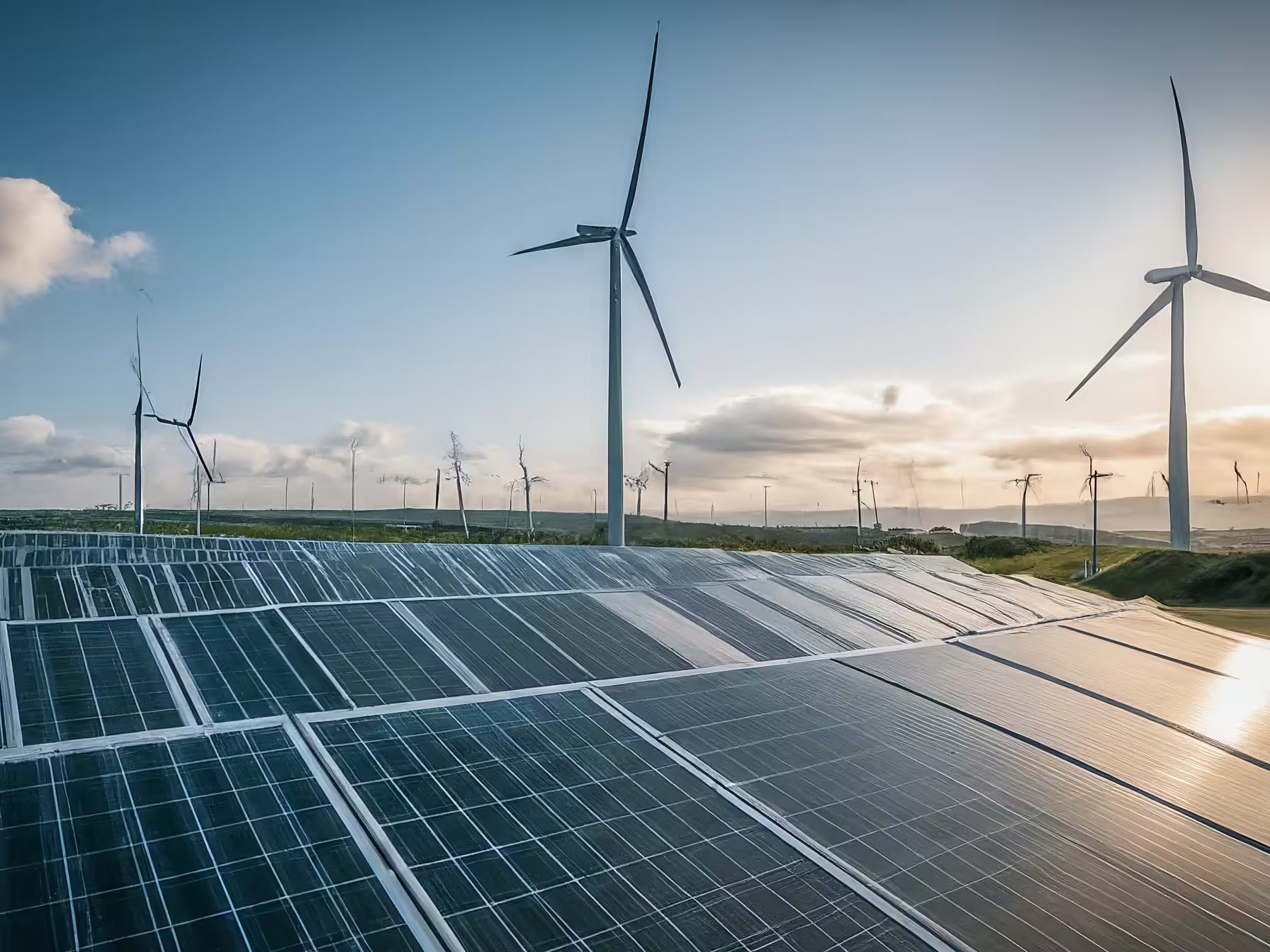
Delhi has reworked its electricity access framework to make renewable power procurement easier for a wider set of consumers, signalling a shift in how cities are enabling low-carbon energy transitions. The revised approach allows more commercial and institutional users to directly source clean power, a move that could reshape urban energy consumption patterns in one of India’s most pollution-stressed regions. Under the updated Green Energy Open Access rules, eligibility is now determined by demand rather than technical connectivity. Consumers with a requirement of 100 kW or more can procure renewable energy irrespective of their voltage level, removing a key barrier that had historically limited participation to large industrial users. This change is expected to bring mid-sized enterprises, office complexes, and service-sector businesses into the clean energy market.
Energy experts say this recalibration reflects the realities of urban economies, where electricity demand is increasingly decentralised and spread across commercial hubs rather than concentrated in heavy industry. By aligning policy design with consumption trends, the Green Energy Open Access framework could improve competition among suppliers while offering businesses greater control over their energy mix. The policy also redefines how captive energy projects are treated. Companies investing in their own renewable generation capacity—such as rooftop solar or off-site wind projects—will no longer be tied to restrictive caps linked to their contracted grid demand. This flexibility is likely to support investment decisions in sectors such as real estate, healthcare, education, and data infrastructure, where energy costs form a significant operational component. For the built environment, the changes could be particularly influential. Large developments, including mixed-use complexes and institutional campuses, can now pool electricity demand across multiple connections within a distribution area. Industry observers suggest this could enhance financial viability for renewable projects, making it easier to meet sustainability benchmarks and green building certifications without relying solely on conventional power sources.
The revised structure also simplifies administrative processes by broadening the definition of eligible consumers and reducing procedural hurdles. Businesses can now access renewable energy through multiple routes, including third-party suppliers and captive arrangements, with fewer compliance complexities. This is expected to shorten approval timelines and improve market responsiveness. From a climate standpoint, the expansion of Green Energy Open Access could contribute to lowering emissions linked to urban electricity use. Greater reliance on renewable sources may help reduce dependence on fossil fuel-based generation, supporting cleaner air outcomes and aligning with broader decarbonisation goals. However, the transition may present challenges for distribution utilities, which must adapt to shifting consumption patterns and potential revenue impacts. Maintaining grid stability while accommodating a growing share of decentralised energy procurement will require careful regulatory oversight.
As cities across India explore more flexible and resilient energy systems, Delhi’s latest reforms indicate a move towards balancing consumer choice with sustainability goals. The effectiveness of this shift will depend on how seamlessly it integrates with existing infrastructure and whether it delivers both environmental and economic gains at scale.