


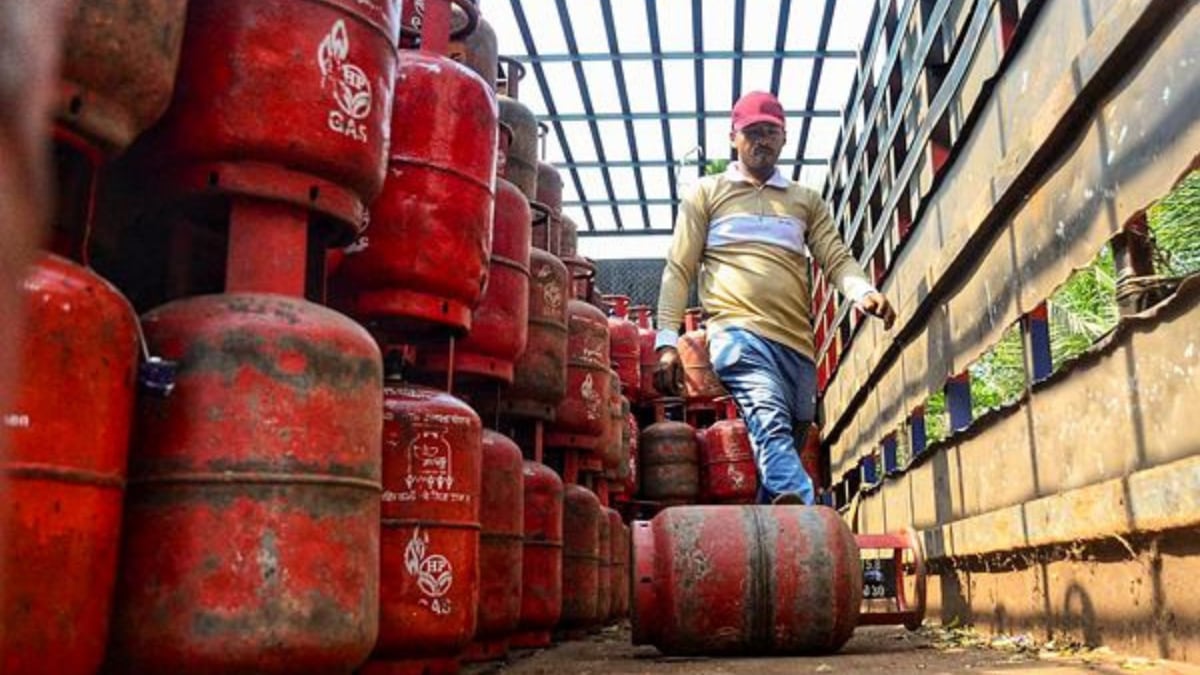
A sharp increase in LPG supply in Bengaluru is underway as authorities and energy providers attempt to stabilise distribution following renewed shortages across the city.
The move comes amid mounting concerns over delays in cylinder deliveries and growing pressure on household energy access in one of India’s fastest-growing urban centres.Supply volumes have been significantly ramped up to address the imbalance between demand and availability, particularly in residential segments where LPG remains a primary cooking fuel.The intervention is expected to ease backlogs and improve refill timelines, although its effectiveness will depend on how quickly the additional supply reaches end users.The escalation in response to the Bengaluru LPG supply shortage highlights the fragility of urban energy systems that rely heavily on cylinder-based distribution. Even temporary disruptions can cascade into widespread inconvenience, affecting daily routines and increasing reliance on alternative, often less sustainable, energy sources.Energy analysts point out that while increasing supply is a necessary short-term measure, it does not fully address underlying structural issues.Distribution inefficiencies, logistical bottlenecks, and demand surges—often linked to seasonal or economic factors—continue to challenge the system. In a city like Bengaluru, where rapid urbanisation has intensified consumption patterns, these gaps are becoming more pronounced.The Bengaluru LPG supply shortage also raises questions about the resilience of last-mile delivery networks.
Urban congestion, workforce limitations, and fragmented distribution channels can slow the movement of cylinders from depots to households.Strengthening these networks through better planning and digital tracking systems could help improve reliability.From a social equity perspective, disruptions in LPG availability tend to impact lower-income households more severely. Limited access to backup cooking options can force vulnerable groups to adopt less safe or environmentally harmful alternatives. Ensuring consistent supply is therefore not just a logistical concern but also a public welfare priority.There are broader implications for sustainable urban development as well. While LPG is considered a cleaner fuel compared to traditional biomass, dependence on a single energy source exposes cities to systemic risks. Diversifying household energy options—such as expanding piped natural gas networks or promoting electric cooking—could enhance long-term resilience.The current supply boost also reflects the need for coordinated action between energy providers, distributors, and local authorities. Real-time demand forecasting and responsive supply management will be critical in preventing recurring shortages, especially as the city continues to expand.For Bengaluru, the immediate focus remains on restoring normalcy in fuel availability.
However, the episode serves as a reminder that building a robust and inclusive urban energy system requires sustained investment in infrastructure, planning, and policy alignment.As additional supply begins to flow through the system, the extent to which it resolves delivery delays will shape both public confidence and future strategies for managing urban energy demand.
Also Read:Bengaluru Summer Price Rise Impacts Household Budgets
