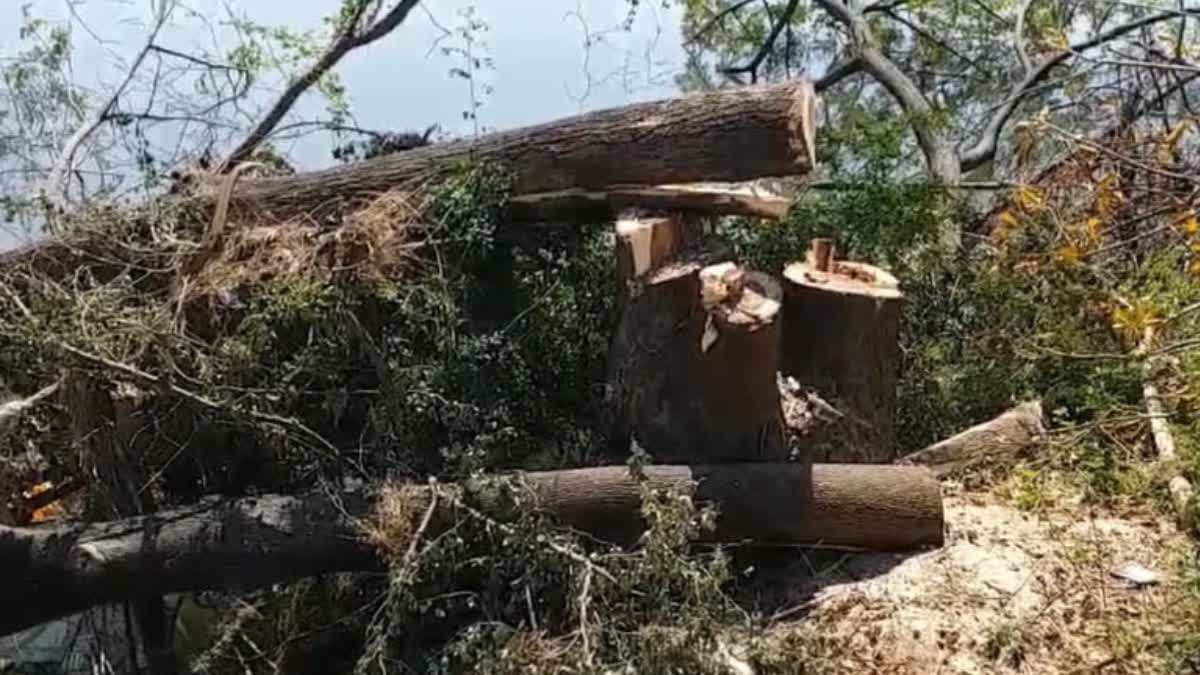
Mumbai’s civic authority has accelerated its annual tree maintenance programme, trimming thousands of trees across the city as part of a pre-monsoon safety initiative. While the effort is intended to reduce risks from falling branches and structurally weak trees, the scale and timing of the exercise have reignited concerns around ecological balance, urban heat, and execution standards.
The ongoing tree pruning drive aims to cover over 46,000 trees, with authorities targeting completion before the onset of heavy rains. So far, more than a quarter of the identified trees have undergone pruning, alongside the removal of several hundred deemed either dead or structurally unsafe. Officials maintain that such interventions are critical in preventing accidents during monsoon storms, when weakened branches and unstable trunks pose a threat to public safety and infrastructure. Urban forestry experts acknowledge the need for periodic pruning, especially in dense cities where tree growth interacts with overhead utilities, narrow streets, and high pedestrian activity. However, they emphasise that the method and timing of pruning are crucial. Conducting a large-scale tree pruning drive during peak summer, when foliage provides essential shade and cooling, can temporarily intensify heat stress in already vulnerable neighbourhoods.
Residents in several localities have raised concerns about reduced canopy cover at a time when temperatures are rising sharply. In areas with limited green infrastructure, mature trees play a vital role in mitigating the urban heat island effect, lowering surface temperatures, and improving air quality. The absence of adequate shade during summer months can disproportionately impact outdoor workers, elderly populations, and those in informal settlements. Civic officials have defended the timing, citing arboricultural considerations. According to internal assessments, pruning during drier months allows trees to recover more effectively and reduces the risk of fungal infections that are more prevalent during the monsoon. The administration also points to training provided to staff and the involvement of horticulture specialists in supervising the work, aiming to standardise practices across public and private land.
Despite these assurances, urban environmentalists have questioned the quality and oversight of the exercise. Concerns have been raised about inconsistent pruning techniques, lack of on-ground supervision, and the potential for long-term damage to tree health. Improper trimming can destabilise trees by altering weight distribution, increasing the likelihood of collapse rather than reducing it. The debate around the tree pruning drive highlights a broader challenge for rapidly urbanising cities: balancing safety imperatives with ecological sustainability. Trees are not merely ornamental assets but critical urban infrastructure, contributing to climate resilience, biodiversity, and public health.
As Mumbai continues to expand and densify, experts argue that tree management must move beyond seasonal interventions towards a more integrated urban forestry strategy. This includes better data on tree health, community participation, transparent monitoring, and alignment with climate goals. The success of such initiatives will ultimately depend on whether they enhance both safety and environmental resilience, rather than treating the two as competing priorities.
BMC Cuts Over 12000 Trees Removes Risk Prone Ones