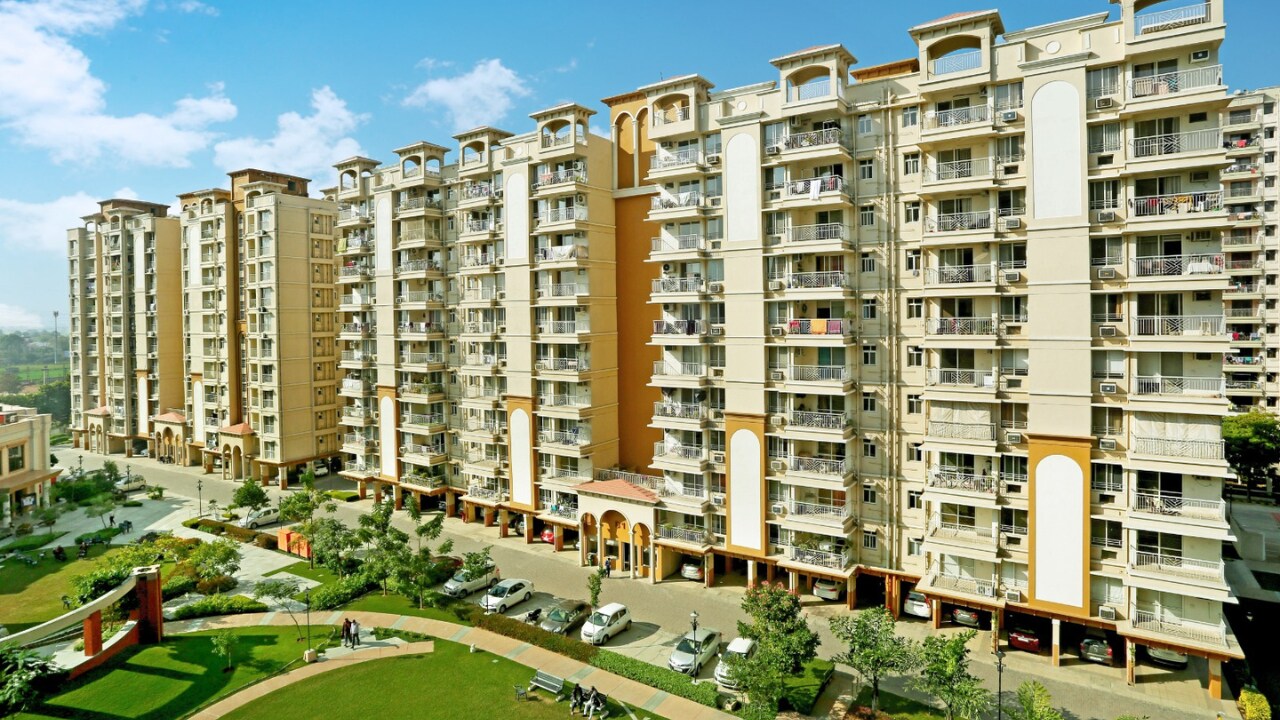
A strategic push into land acquisition is set to reshape the trajectory of senior living housing in India, as Ashiana Housing prepares to deploy nearly ₹800 crore in the upcoming financial year to expand its footprint across multiple urban centres. The move reflects rising demand for age-specific residential communities and signals a broader shift in how Indian cities are planning for an ageing population.
Company officials indicate that the investment will prioritise both expansion in existing markets and entry into new cities, with a focus on building integrated communities rather than standalone projects. This comes at a time when urban India is witnessing a demographic transition, with the population aged 60 and above steadily increasing and expected to form a significantly larger share of the total population over the next two decades. The developer’s growing emphasis on senior living housing aligns with changing family structures, where nuclear households and migration patterns are altering traditional caregiving systems. Industry experts note that purpose-built communities offering healthcare access, social engagement, and managed services are becoming essential components of urban housing ecosystems.
Recent land acquisitions in western India, including large parcels earmarked for community-style developments, suggest a shift towards scale-driven planning. Such projects typically combine residential units with open spaces, healthcare infrastructure, and activity centres elements increasingly seen as critical for both quality of life and long-term sustainability. Urban planners point out that this model, if executed responsibly, could contribute to more inclusive city design. Senior-friendly infrastructure such as walkable layouts, accessible public spaces, and community services can also benefit broader populations, including children and persons with disabilities. However, they caution that integration with surrounding urban infrastructure, including transport and emergency services, remains key to long-term viability.The segment’s growth trajectory is also attracting investor attention. Market estimates suggest strong annual expansion rates for organised senior living, supported by rising disposable incomes, improved life expectancy, and increasing awareness of lifestyle-oriented retirement options.
Occupancy levels in premium developments remain high, indicating sustained end-user demand rather than speculative investment. At the same time, the expansion of senior living housing raises questions around affordability and accessibility. While premium projects dominate the current pipeline, urban development experts argue that future growth must address middle-income segments to avoid creating an exclusive housing niche.Ashiana Housing’s broader portfolio spanning family-oriented and child-centric developments positions it to experiment with multi-generational community models. Such hybrid approaches could redefine residential planning by accommodating diverse age groups within shared urban spaces, potentially reducing social isolation and improving resource efficiency. As cities grapple with the dual challenges of rapid urbanisation and demographic ageing, investments in specialised housing formats are likely to play a defining role. The next phase of growth will depend not just on scale, but on how effectively these developments integrate sustainability, accessibility, and long-term urban resilience into their design.