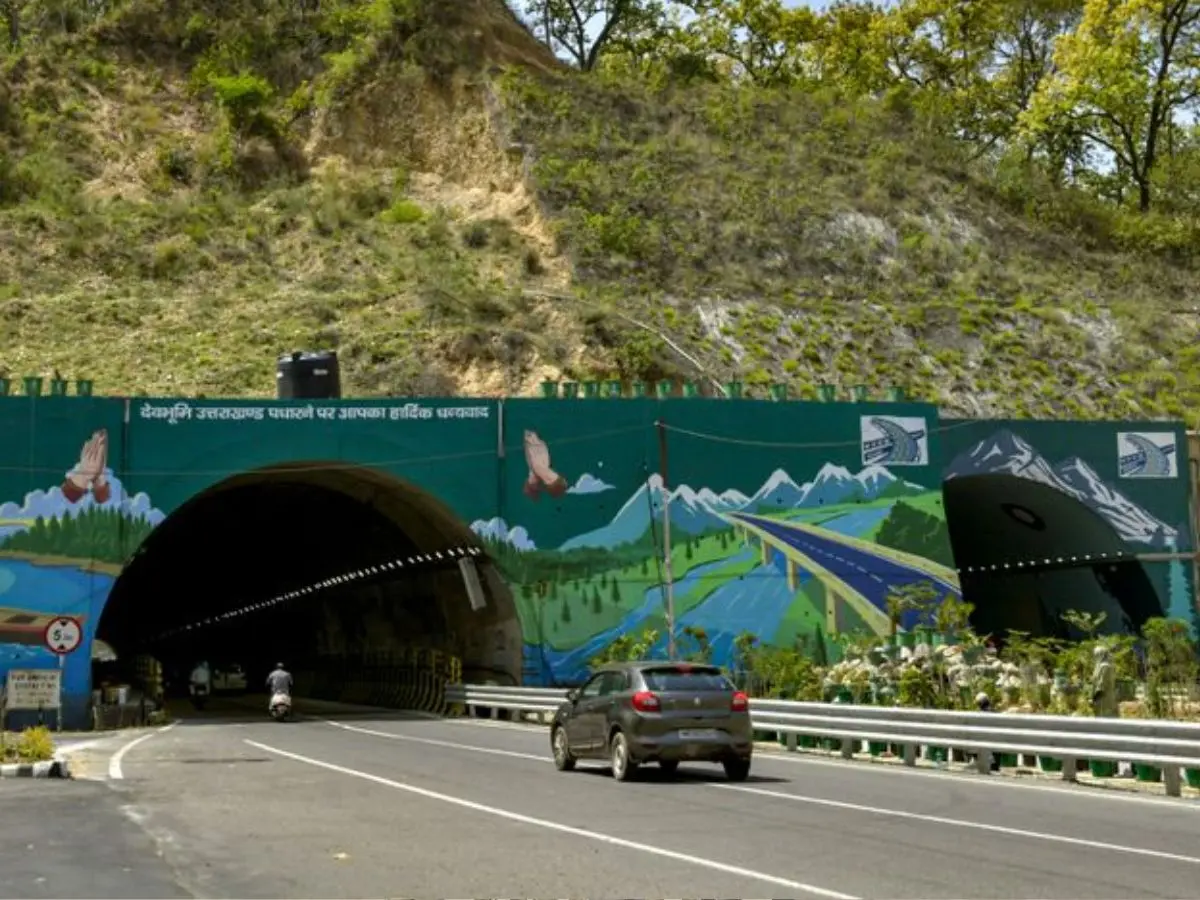
A new high-speed highway linking the national capital with Uttarakhand’s administrative centre is expected to significantly reshape regional mobility and logistics in northern India. The Delhi Dehradun Economic Corridor, developed with an estimated investment of ₹12,000 crore, has been inaugurated as part of a broader push to modernise highway infrastructure while integrating ecological safeguards into large-scale engineering projects. Transport officials say the corridor will cut travel time between Delhi and Dehradun from roughly six hours to around two-and-a-half hours, offering a faster route for passenger traffic, freight movement and tourism travel. The highway alignment passes through several districts in western Uttar Pradesh, potentially improving connectivity between the National Capital Region and smaller economic centres along the route.
Infrastructure planners note that projects such as the Delhi Dehradun Economic Corridor are increasingly designed not only as transportation routes but also as economic development zones. By improving logistics efficiency and reducing travel costs, corridors of this nature often stimulate new investment in warehousing, hospitality and small-scale manufacturing clusters located along the highway. One of the most distinctive aspects of the corridor is its integration of wildlife-friendly infrastructure. The project includes a nearly 12-kilometre elevated section constructed to ensure uninterrupted animal movement across sensitive forest landscapes in the Shivalik foothills. Environmental specialists say such design interventions are becoming increasingly necessary as transport infrastructure expands through ecologically fragile regions. Urban and environmental planners emphasise that wildlife crossings, elevated corridors and controlled construction zones can help mitigate the fragmentation of natural habitats typically caused by highways. While these solutions do not eliminate environmental pressures, they represent a growing effort within infrastructure planning to balance economic connectivity with ecological resilience.
The Delhi Dehradun Economic Corridor is also expected to strengthen tourism flows between the capital and Uttarakhand’s well-known spiritual and leisure destinations, including Haridwar, Rishikesh and hill stations further north. Tourism analysts suggest that improved road access could encourage shorter travel itineraries, weekend tourism and greater visitor movement throughout the year. Beyond tourism, the corridor is likely to influence regional agricultural and small-business supply chains. Farmers and local traders in western Uttar Pradesh and Uttarakhand could benefit from faster transport links to Delhi’s large consumer markets. Logistics experts say reduced transit time typically lowers fuel consumption and freight costs, making supply chains more efficient for perishable goods and agricultural produce. The highway also forms part of a wider regional mobility framework taking shape across northern India. Major infrastructure developments such as high-speed regional rail systems, expanded metro networks and the upcoming international airport in western Uttar Pradesh are collectively creating a multi-modal transport ecosystem aimed at supporting economic growth across the region.
For policymakers and planners, the effectiveness of the Delhi Dehradun Economic Corridor will ultimately depend on how well transport expansion is coordinated with sustainable land-use planning, environmental safeguards and inclusive regional development. As traffic begins to build along the route, authorities will be closely monitoring whether the corridor delivers both improved mobility and balanced growth across the rapidly evolving northern transport landscape.