


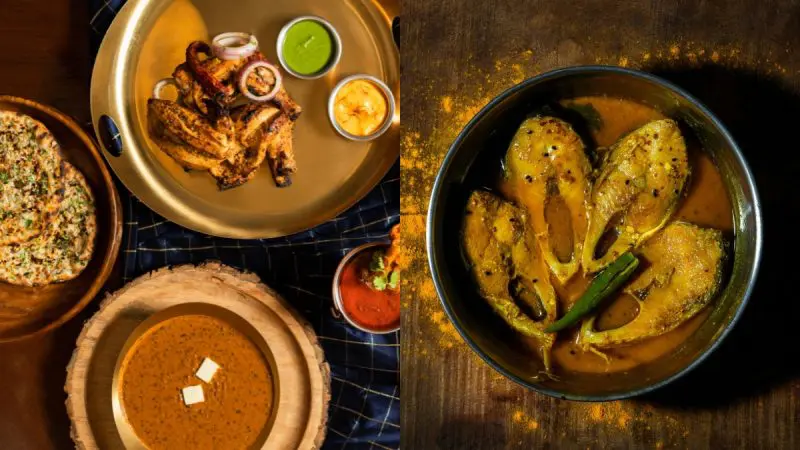
Kolkata’s restaurants and households are turning to traditional recipes this Poila Baisakh, signalling a broader revival of culinary heritage within the city’s evolving food economy.
The renewed focus on regional dishes reflects changing consumer preferences that increasingly value authenticity, local sourcing, and cultural continuity in urban dining experiences.The shift towards heritage menus during the festive period highlights how food traditions are being reintroduced into mainstream consumption. Chefs and restaurateurs are revisiting archival recipes, often sourced from family traditions and regional cookbooks, to recreate dishes that have gradually faded from everyday use. This resurgence is not merely nostalgic but also aligns with a growing demand for differentiated dining experiences in a competitive urban market.Industry observers note that the revival of traditional cuisine is contributing to the diversification of Kolkata’s food landscape. As consumers seek more meaningful and culturally rooted experiences, restaurants are moving beyond standardised menus to offer curated, seasonal offerings. This trend is also influencing home kitchens, where families are rediscovering recipes that connect generations and reinforce cultural identity.From an economic perspective, the return to heritage cooking supports local supply chains by increasing demand for indigenous ingredients and traditional produce.Farmers, small-scale suppliers, and artisanal producers benefit from this shift, creating a more localised and resilient food ecosystem.
Urban economists highlight that such patterns can strengthen regional economies while reducing dependence on highly processed or imported food products.Sustainability considerations further reinforce the appeal of traditional recipes. Many heritage dishes rely on seasonal ingredients and low-energy cooking methods, aligning with environmentally conscious consumption.As cities like Kolkata grapple with resource constraints and climate challenges, promoting food practices that minimise waste and energy use becomes increasingly relevant.The trend also reflects a broader cultural repositioning within urban India, where cities are seeking to balance modernisation with the preservation of identity. In Kolkata, known for its rich culinary legacy, the renewed interest in traditional food underscores the role of culture in shaping economic and social life. By integrating heritage into contemporary dining, the city is creating a unique value proposition that distinguishes it from other urban centres.Urban planners and cultural experts suggest that such initiatives can extend beyond festivals, contributing to long-term cultural tourism and city branding. Food, as a tangible expression of heritage, offers opportunities to engage visitors while supporting local businesses and communities.
As Poila Baisakh celebrations unfold, the emphasis on traditional menus highlights a deeper shift in how urban populations engage with culture and consumption. The revival of lost recipes in Kolkata points to a future where economic growth and cultural preservation can coexist, creating a more inclusive and sustainable urban food ecosystem.
Also Read:Kolkata Last Mile Mobility Boosted By App Bike Services
