Dehradun Corridor Triggers Housing And Logistics Growth
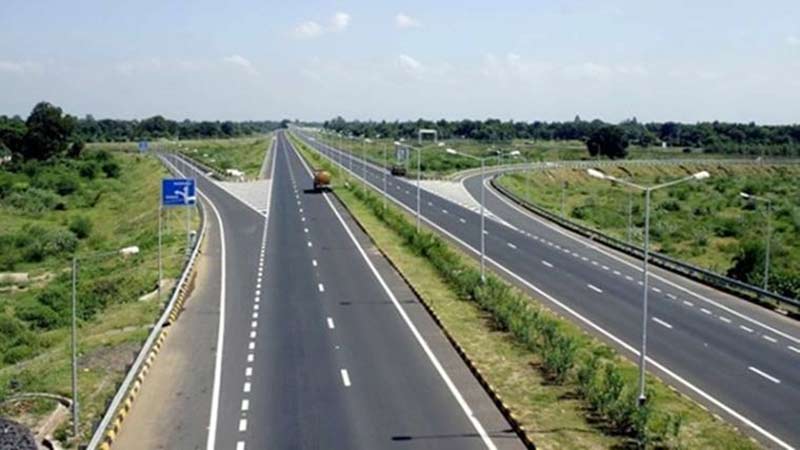
A newly operational high-speed corridor linking the National Capital Region with Uttarakhand’s capital is expected to significantly alter real estate dynamics across northern India, compressing travel time to under three hours and unlocking fresh development potential in intermediate towns. The Delhi–Dehradun Expressway is emerging as a catalyst not just for mobility, but for a broader spatial redistribution of housing, logistics, and investment activity.
Urban planners and market observers indicate that improved regional connectivity typically shifts demand away from saturated metropolitan cores to peripheral and tier-two locations. Along this corridor, districts in western Uttar Pradesh and the outskirts of Dehradun are already witnessing heightened interest in plotted developments, low-rise housing formats, and land aggregation. This reflects a growing preference for flexible, lower-density living environments especially among buyers seeking second homes or long-term investment assets. The Delhi Dehradun expressway is also expected to influence price trajectories across key micro-markets. Peripheral zones in eastern and northeastern Delhi, along with industrial belts in Ghaziabad and adjoining districts, could see incremental appreciation as accessibility improves. Further along the route, smaller towns with historically modest real estate activity may transition into emerging growth clusters, supported by better road infrastructure and evolving economic linkages.
A parallel shift is anticipated in the logistics and warehousing segment. With faster freight movement between Delhi-NCR and Uttarakhand, demand for Grade A warehousing, distribution hubs, and industrial parks is likely to rise in strategically located nodes. This could generate employment opportunities while strengthening supply chains across manufacturing and consumption centres. However, urban experts caution that such expansion must be balanced with land-use planning and environmental safeguards to prevent unregulated sprawl. In Dehradun and nearby hill-fringe areas, the corridor is expected to accelerate demand for premium housing and holiday properties. Improved accessibility may encourage more frequent short-stay travel, making second-home ownership more viable for urban residents. This trend, while economically beneficial, raises questions about ecological sensitivity, water resources, and infrastructure readiness in fragile hill environments.
The Delhi Dehradun expressway also intersects with broader infrastructure networks, enhancing its long-term impact. Integration with existing expressways and regional routes could further strengthen connectivity across northern India, reinforcing multi-nodal urban growth. For policymakers, this presents an opportunity to align infrastructure expansion with climate-resilient planning, transit-oriented development, and inclusive housing strategies. As land values rise and development accelerates, the challenge will lie in ensuring that growth remains equitable and sustainable. Managed well, the corridor could support decentralised urbanisation and reduce pressure on megacities. Poorly governed expansion, however, risks deepening inequalities and straining local ecosystems. The coming years will determine whether this infrastructure investment evolves into a model of balanced regional development or follows the familiar trajectory of uneven urban growth.