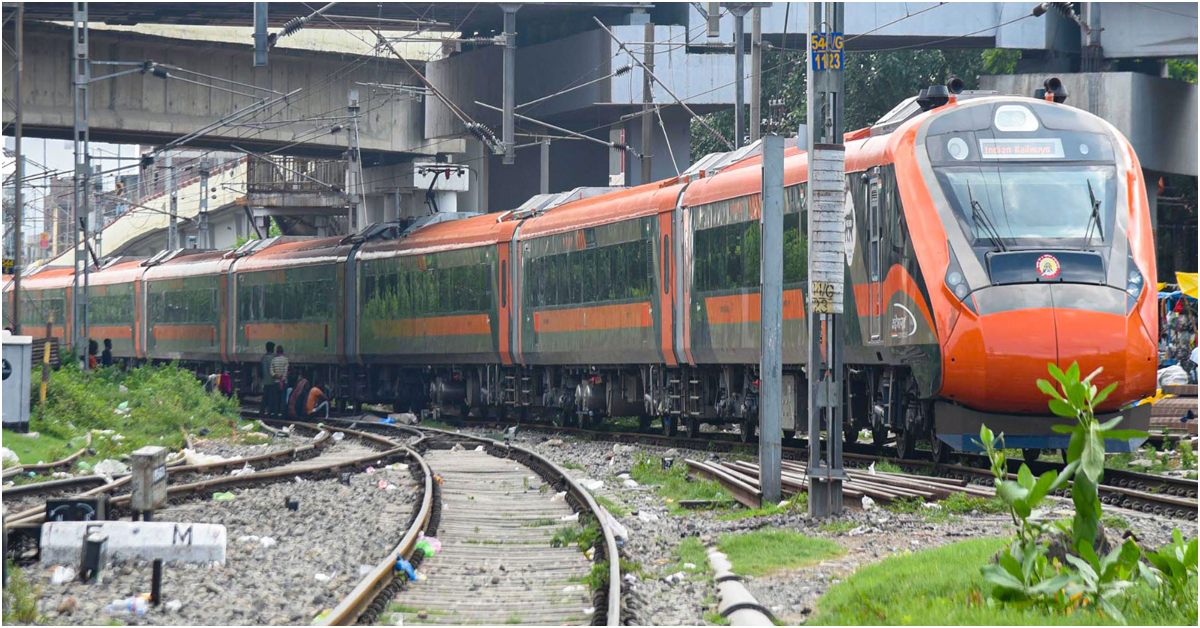
Bihar Railway Projects Boost Network Capacity Across State
Bihar is set to see a significant expansion of its rail network, with 11 approved projects focusing on new lines, track doubling, and capacity upgrades under a broader national infrastructure push. The initiative marks a major step in strengthening regional connectivity while addressing long-standing bottlenecks in passenger and freight movement.
The approved works form part of a nationwide programme that includes 100 railway projects with a combined investment exceeding ₹1.5 lakh crore. Collectively, these projects aim to add over 6,000 kilometres to India’s rail network, reflecting a sharp increase in both scale and financial commitment compared to previous years. Within this framework, the Bihar rail infrastructure upgrade will prioritise both expansion and optimisation. New railway lines are expected to extend connectivity to underserved districts, while doubling and multi-tracking of existing routes will help decongest high-density corridors and improve service reliability. Transport analysts note that Bihar’s inclusion among the top states in terms of project allocation signals a strategic shift towards strengthening rail networks in regions with high population density but historically limited infrastructure capacity. Improved connectivity is expected to reduce travel times, enhance access to economic hubs, and enable smoother inter-district movement for both passengers and goods.
The Bihar rail infrastructure upgrade is also closely aligned with national logistics goals. By increasing track capacity and reducing congestion, the projects are expected to support faster freight movement, particularly for bulk commodities and agricultural produce. This could have downstream benefits for supply chains, lowering logistics costs and improving market access for producers in semi-urban and rural areas. Urban development experts highlight that railway expansion often acts as a catalyst for broader economic transformation. New and upgraded rail corridors can stimulate industrial activity, attract investment, and create employment opportunities, particularly in regions that were previously less accessible. In Bihar, where emerging urban clusters are expanding beyond traditional city centres, improved rail connectivity could help balance regional growth.
At a systems level, the expansion is being implemented under the PM Gati Shakti national master plan, which aims to integrate transport infrastructure across modes. By aligning rail development with road, logistics, and industrial corridors, authorities are seeking to create a more cohesive and efficient transport ecosystem. Environmental considerations are also increasingly shaping rail investments. Compared to road transport, railways offer a lower-emission alternative for both passenger and freight movement. Expanding rail capacity, therefore, contributes to reducing the overall carbon footprint of the transport sector, particularly in high-demand regions.
However, execution challenges remain. Land acquisition, project timelines, and coordination across agencies will be critical factors in determining how quickly these benefits materialise. Ensuring that new lines and upgraded corridors are integrated with local transport systems will also be key to maximising their impact. For Bihar, the expansion represents more than just additional track length—it signals a transition towards a more connected and economically integrated state. As these projects move from approval to implementation, their success will depend on sustained investment, efficient delivery, and alignment with long-term urban and regional planning goals.