


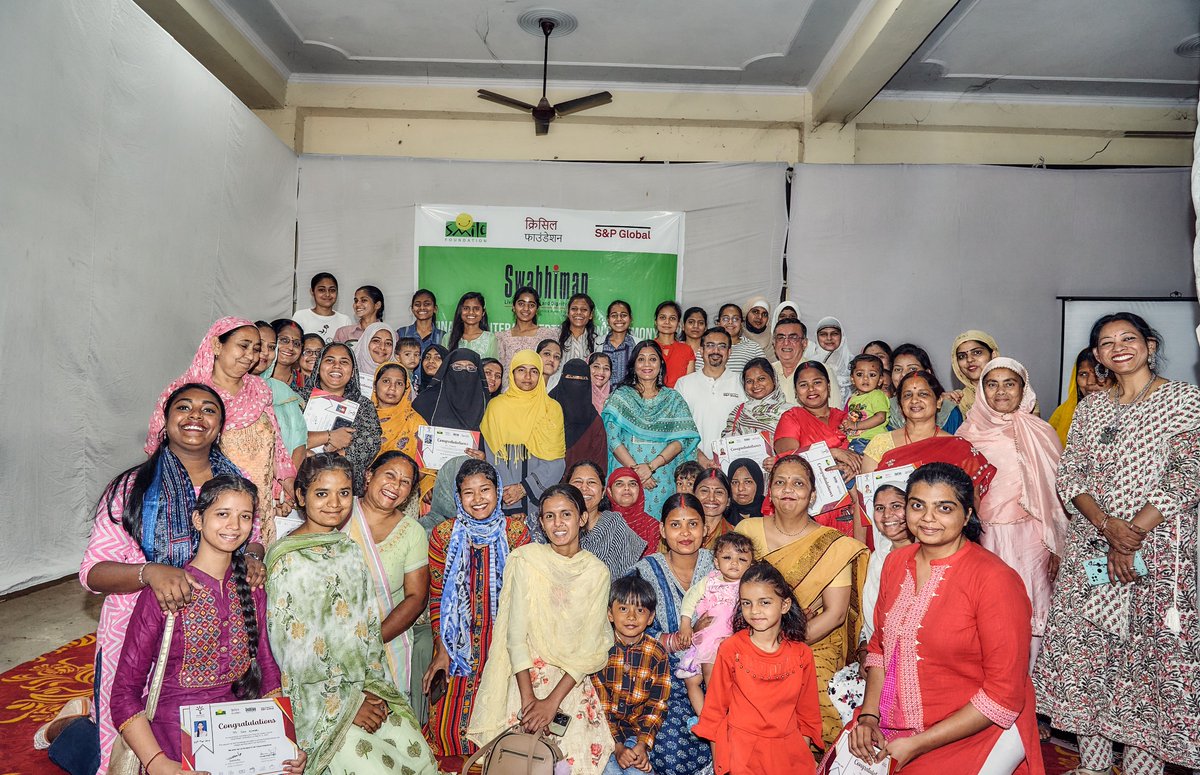
Efforts to strengthen women-led entrepreneurship in Chennai are gaining momentum through targeted programmes aimed at building skills, improving access to resources, and enabling income generation.
The initiative reflects a broader push to integrate gender-inclusive strategies into urban economic development, particularly in cities with diverse and growing workforce needs.The programme focuses on equipping women with entrepreneurial capabilities, including business planning, financial literacy, and market access. By addressing structural barriers such as limited access to capital and networks, these initiatives aim to create pathways for women to participate more actively in the local economy.The expansion of Chennai women entrepreneurship initiatives highlights the role of inclusive growth in shaping resilient urban economies. In many Indian cities, women’s participation in formal economic activities remains constrained despite increasing education levels. Targeted interventions can help bridge this gap, unlocking untapped economic potential.From an urban development perspective, supporting women entrepreneurs contributes to diversified economic activity and more equitable growth.Small and micro enterprises led by women often operate within local communities, generating employment and supporting neighbourhood-level economies.This decentralised model of growth can enhance economic resilience and reduce income disparities.
Experts note that capacity-building programmes are most effective when combined with access to financial services and market linkages.Without these, skill development alone may not translate into sustainable business outcomes. Integrating mentorship, digital tools, and access to credit can significantly improve success rates for new entrepreneurs.The Chennai women entrepreneurship push also aligns with broader sustainability goals. Women-led enterprises are often associated with community-oriented business models and environmentally conscious practices, contributing to more responsible consumption and production patterns.There are social implications as well. Economic empowerment can lead to improved household outcomes, including better access to education and healthcare. By enabling women to generate income, such initiatives can have a multiplier effect on overall community well-being.However, challenges remain in scaling these efforts. Ensuring consistent funding, expanding outreach to underserved areas, and addressing cultural barriers are critical to sustaining progress. Collaboration between government agencies, non-profits, and private sector stakeholders is essential to creating a supportive ecosystem.Urban policy experts emphasise that embedding gender inclusion into city planning is key to long-term success. This includes designing public spaces, transport systems, and business environments that are safe and accessible for women.
As Chennai continues to evolve as an economic hub, the focus on women-led entrepreneurship signals a shift towards more inclusive development models. Strengthening these initiatives will be crucial to building a city that not only grows economically but also ensures that opportunities are accessible to all segments of society.
Also Read:Chennai Industrial Pollution Raises Urban Sustainability Concerns

