Delhi Station Redevelopment Push Targets Modern Mobility
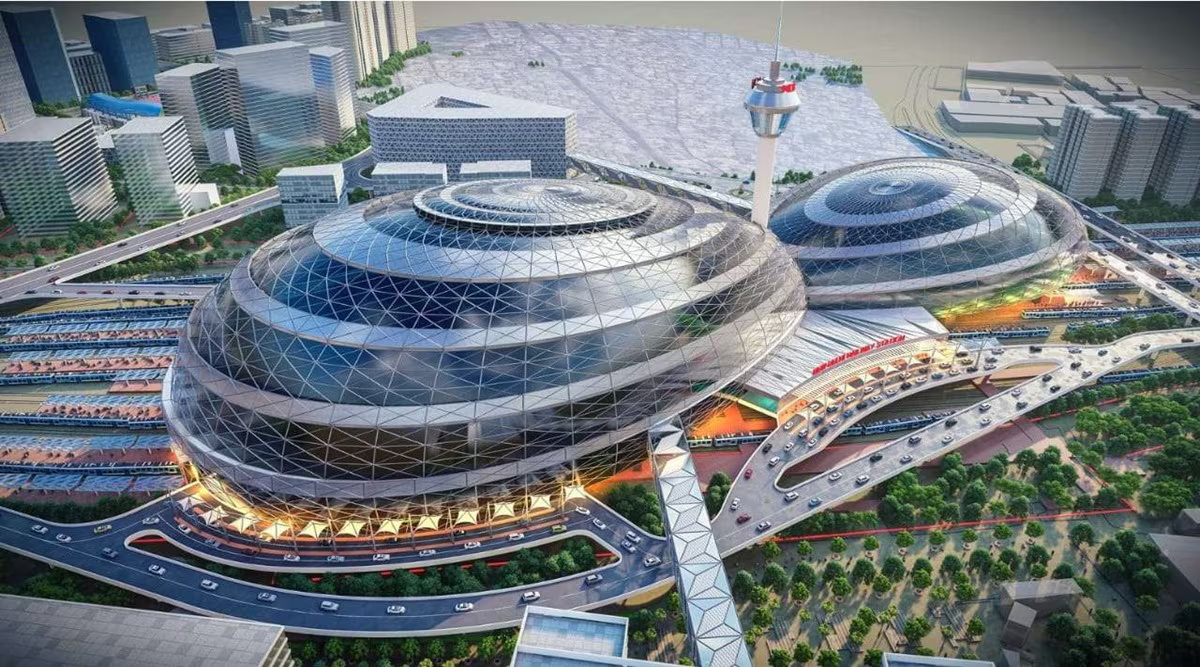
A large-scale upgrade of railway infrastructure is underway in the national capital, with 13 stations identified for transformation under a long-term modernization programme aimed at reshaping passenger experience and urban connectivity. The station redevelopment initiative is part of a broader national effort to reposition railway hubs as integrated mobility centers while supporting the evolving needs of rapidly growing cities. In Delhi, the selected stations span key transit corridors and neighbourhoods, linking central business districts with emerging residential and peri-urban areas. Authorities indicate that work is progressing at different stages, from preparatory site reorganization to structural construction and finishing. Major stations are undergoing capacity expansion, including multi-level circulation areas, redesigned entry points and improved access roads to ease congestion in surrounding zones.
Urban development experts view the station redevelopment programme as more than a transport upgrade. By redesigning stations as multimodal nodes, the initiative aims to improve last-mile connectivity, integrate with metro and bus networks, and create seamless passenger movement across different transport systems. This is expected to reduce dependence on private vehicles, contributing to lower congestion and emissions in the long term. Several stations are witnessing structural upgrades, including new station buildings, concourse development and enhanced platform infrastructure. In parallel, passenger amenities are being expanded with larger waiting areas, improved sanitation facilities, lifts, escalators and barrier-free access features. Authorities are also incorporating commercial spaces and designated areas for local products, signalling a shift towards transit-oriented development that blends mobility with economic activity. The redevelopment effort reflects a broader trend in infrastructure planning, where railway stations are being positioned as urban anchors capable of influencing real estate growth and land use patterns. Improved accessibility and upgraded facilities often lead to increased property values and commercial interest in adjoining areas, creating new economic opportunities.
However, planners caution that such growth must be managed carefully to avoid displacement and ensure inclusive development. Sustainability is emerging as a key consideration in the design approach. The integration of energy-efficient systems, improved ventilation and better crowd management infrastructure is expected to enhance operational efficiency while reducing environmental impact. In dense cities like Delhi, where transport infrastructure directly affects air quality and urban resilience, such measures are increasingly critical. Despite steady progress, the programme faces inherent complexities. Redeveloping operational stations requires careful coordination to maintain uninterrupted train services, while also navigating regulatory approvals related to safety, heritage and environmental compliance. Brownfield constraints, including limited land availability and existing infrastructure, continue to influence project timelines.
As the station redevelopment initiative advances, its success will depend on balancing infrastructure expansion with accessibility, sustainability and urban integration. For millions of daily commuters, the transformation of railway stations could redefine how public transport interacts with the city, shaping a more connected and efficient urban future.