Delhi NCR Dust Control Measures Target Construction Pollution
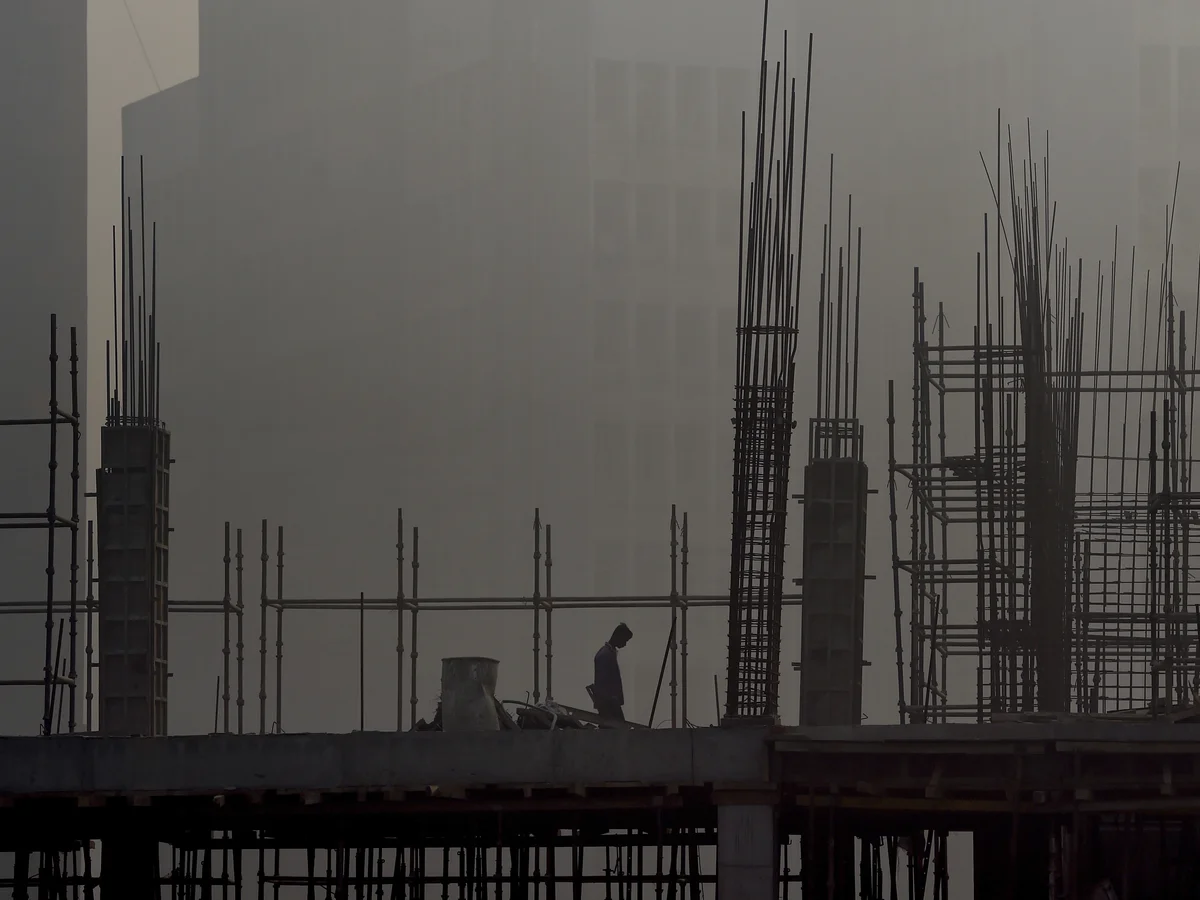
A stricter regulatory framework for managing construction-related pollution is set to come into force across Delhi-NCR from April 1, as authorities intensify efforts to address rising particulate levels linked to urban development activity. The updated dust control measures are designed to close compliance gaps while introducing monitoring systems that bring greater transparency to construction and demolition practices. The new approach reflects a growing recognition among policymakers that construction dust remains a significant contributor to deteriorating air quality, particularly during dry seasons when particulate matter levels spike. Despite existing guidelines, enforcement has been uneven, prompting regulators to introduce additional layers of accountability for developers, contractors and local authorities.
Under the revised framework, construction sites will be required to adopt both physical and technological interventions. These include the installation of low-cost air quality sensors to monitor emissions in real time, alongside on-ground solutions such as wind barriers, dust screens and water-based suppression systems. Urban planners note that these dust control measures could help reduce localized pollution hotspots, especially in dense neighbourhoods where construction activity overlaps with residential zones. A parallel focus has been placed on the management of construction and demolition waste, an area often linked to unregulated dumping and secondary dust generation. Municipal bodies are being tasked with establishing decentralized waste collection and processing facilities, ensuring that projects have access to formal disposal systems within defined urban grids. This is expected to improve logistical efficiency while discouraging illegal dumping practices. Regulatory oversight is also being extended to the project approval lifecycle. Building authorities will require developers to declare anticipated demolition waste before construction begins, integrating waste management planning into early-stage approvals. Additionally, proof of proper disposal will become a prerequisite for securing completion and occupancy certifications, effectively linking environmental compliance with project delivery timelines.
Industry experts suggest that while these requirements may increase operational costs in the short term, they could drive long-term efficiency gains. Better dust management reduces the risk of work stoppages, regulatory penalties and reputational risks, particularly as investors and homebuyers increasingly prioritize environmentally responsible development. The integration of digital tools marks another significant shift. Authorities are planning a unified platform to geo-tag waste facilities and track the movement of debris using GPS systems. Such measures are expected to strengthen data-driven governance and enable real-time monitoring of compliance across the region. For residents, the impact could be tangible. Lower dust levels can improve air quality, reduce health risks and enhance overall urban liveability. For a region grappling with chronic pollution, targeting construction emissions represents a critical step towards building climate-resilient and people-centric cities.
As implementation begins, the effectiveness of these dust control measures will depend on sustained enforcement and coordination between civic agencies, regulators and the construction sector. The coming phase will determine whether policy intent can translate into measurable improvements in air quality and urban sustainability.