


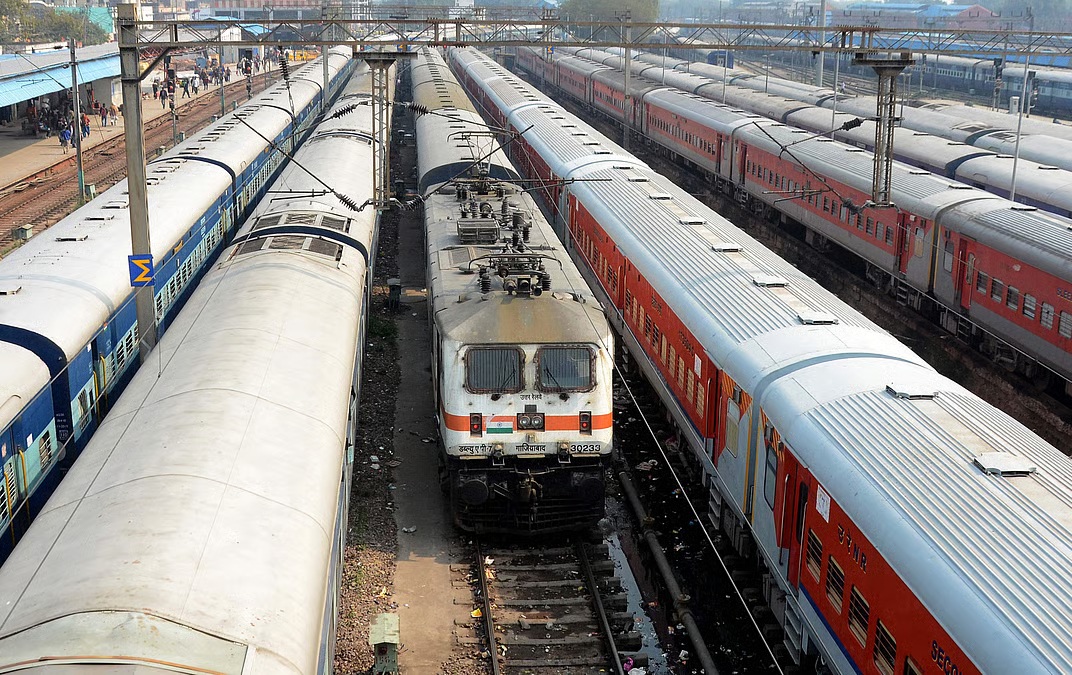
Surat is set to benefit from expanded rail connectivity as additional special train services linking the city with key destinations are introduced to manage rising passenger demand. The move reflects growing pressure on existing rail networks as intercity travel continues to increase across western India. The rollout of Surat special trains is aimed at improving access between Surat and major cities such as Ahmedabad and Mangalore, with extended routes designed to accommodate seasonal and long-distance travellers. Railway officials indicate that these services are being introduced to address capacity constraints and reduce congestion on regular routes.
Urban mobility experts note that special train services play an important role in managing fluctuations in travel demand, particularly during peak periods. The Surat special trains are expected to provide additional capacity while offering more flexible travel options for passengers. The development also highlights Surat’s increasing importance as a regional transport hub. As one of India’s major industrial cities, Surat attracts significant movement of workers, traders, and business travellers. Improved rail connectivity can support this demand, facilitating smoother movement across economic corridors. From an infrastructure perspective, expanding rail services can help reduce pressure on road networks. By encouraging a shift towards rail travel, cities can lower congestion levels, reduce travel times, and decrease emissions associated with road transport. The Surat special trains therefore contribute to broader efforts to promote sustainable mobility. There are economic implications as well. Enhanced connectivity can stimulate tourism, trade, and local business activity in cities along the routes. For Surat, increased passenger inflow and outflow can support sectors such as hospitality, retail, and transport services. The Surat special trains also underscore the need for continuous investment in rail infrastructure. As demand grows, ensuring adequate track capacity, station facilities, and operational efficiency will be critical to maintaining service quality. Experts emphasise the importance of integrating such services with local transport systems. Effective last-mile connectivity, including buses and shared mobility options, can enhance the overall travel experience and ensure that passengers can easily access their final destinations. There are also considerations around long-term planning. While special trains address immediate demand, sustained growth in passenger numbers may require permanent expansion of services and infrastructure upgrades. Strategic planning will be essential to accommodate future needs.
Looking ahead, the introduction of Surat special trains is expected to ease travel pressures while supporting regional connectivity. Continued monitoring of demand patterns and service performance will help determine the need for further expansion. As Surat continues to grow, strengthening rail connectivity will remain central to supporting mobility, economic activity, and sustainable urban development across the region.
ALSO READ – Mumbai Surat Regional Rail Service May Transform Commuting
Surat Special Trains Boost Regional Rail Connectivity
