


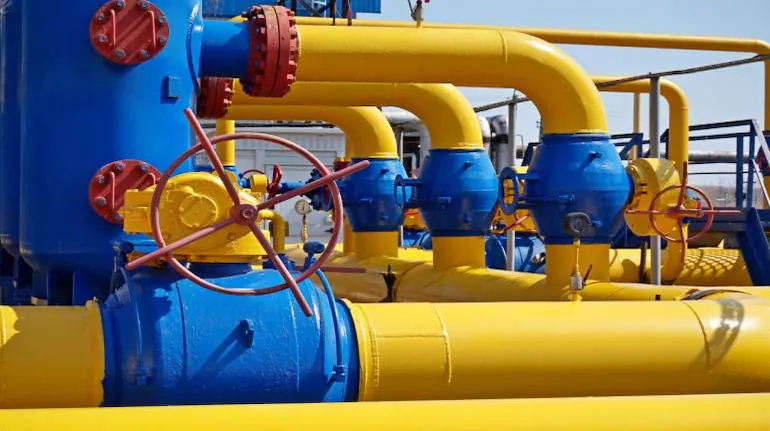
A key natural gas pipeline connecting Nagpur to Jabalpur has been completed, marking a significant step in expanding cleaner energy infrastructure across central India. The development is expected to improve access to piped natural gas for industries, households and commercial users, while strengthening the region’s transition toward lower-emission energy systems. Energy sector officials confirmed that the Nagpur Jabalpur gas pipeline is now ready for integration into the wider gas distribution network. The pipeline is designed to transport natural gas across state boundaries, linking emerging urban centres with national energy corridors.
Urban infrastructure experts say the Nagpur Jabalpur gas pipeline could play a critical role in supporting industrial growth in both Maharashtra and Madhya Pradesh. Reliable access to natural gas is essential for sectors such as manufacturing, power generation and urban services, where cleaner fuel alternatives are increasingly being adopted. Natural gas is often considered a transition fuel in the move toward low-carbon energy systems. Compared to coal and liquid fuels, it produces lower emissions and is widely used in city gas distribution networks for cooking, heating and industrial processes. The completion of the Nagpur Jabalpur gas pipeline is expected to accelerate the expansion of city gas networks in connected regions. Urban households and commercial establishments may benefit from improved access to piped natural gas, which offers a more stable and efficient alternative to traditional LPG cylinders. For industrial clusters around Nagpur, including logistics hubs and manufacturing zones, the availability of pipeline-based gas can reduce dependence on transported fuels and improve operational efficiency. Energy economists note that reliable fuel supply is a key factor in attracting investment to industrial regions. The pipeline also supports broader efforts to develop integrated energy infrastructure across central India. By connecting multiple cities and industrial zones, such networks can enhance energy security and reduce supply disruptions. Urban planners highlight that expanding gas infrastructure aligns with climate-resilient urban development strategies. Cleaner energy sources contribute to improved air quality and lower carbon emissions, particularly in rapidly growing cities where energy demand is rising. The Nagpur Jabalpur gas pipeline may also enable the growth of alternative transport fuels such as compressed natural gas (CNG). Expanding CNG infrastructure can support cleaner urban mobility by reducing emissions from vehicles. However, experts emphasise that long-term sustainability will require continued investment in renewable energy alongside gas infrastructure. While natural gas offers a cleaner alternative to traditional fuels, it remains part of a transitional energy mix. From a regional development perspective, the pipeline strengthens connectivity between Nagpur and Jabalpur, two important urban centres in central India. Improved energy access can support economic activity, industrial expansion and urban services in both cities.
As the Nagpur Jabalpur gas pipeline becomes operational, its impact will depend on how effectively distribution networks are expanded to reach end users. Integrating the pipeline into local energy systems will be crucial for maximising its benefits. In the broader context of India’s energy transition, projects like this highlight the role of infrastructure in enabling cleaner, more reliable and more efficient energy systems for growing urban regions.
ALSO READ – Nagpur Road Contracts Probe Raises Infrastructure Concerns
Nagpur Jabalpur Gas Pipeline Strengthens Regional Energy Network
