


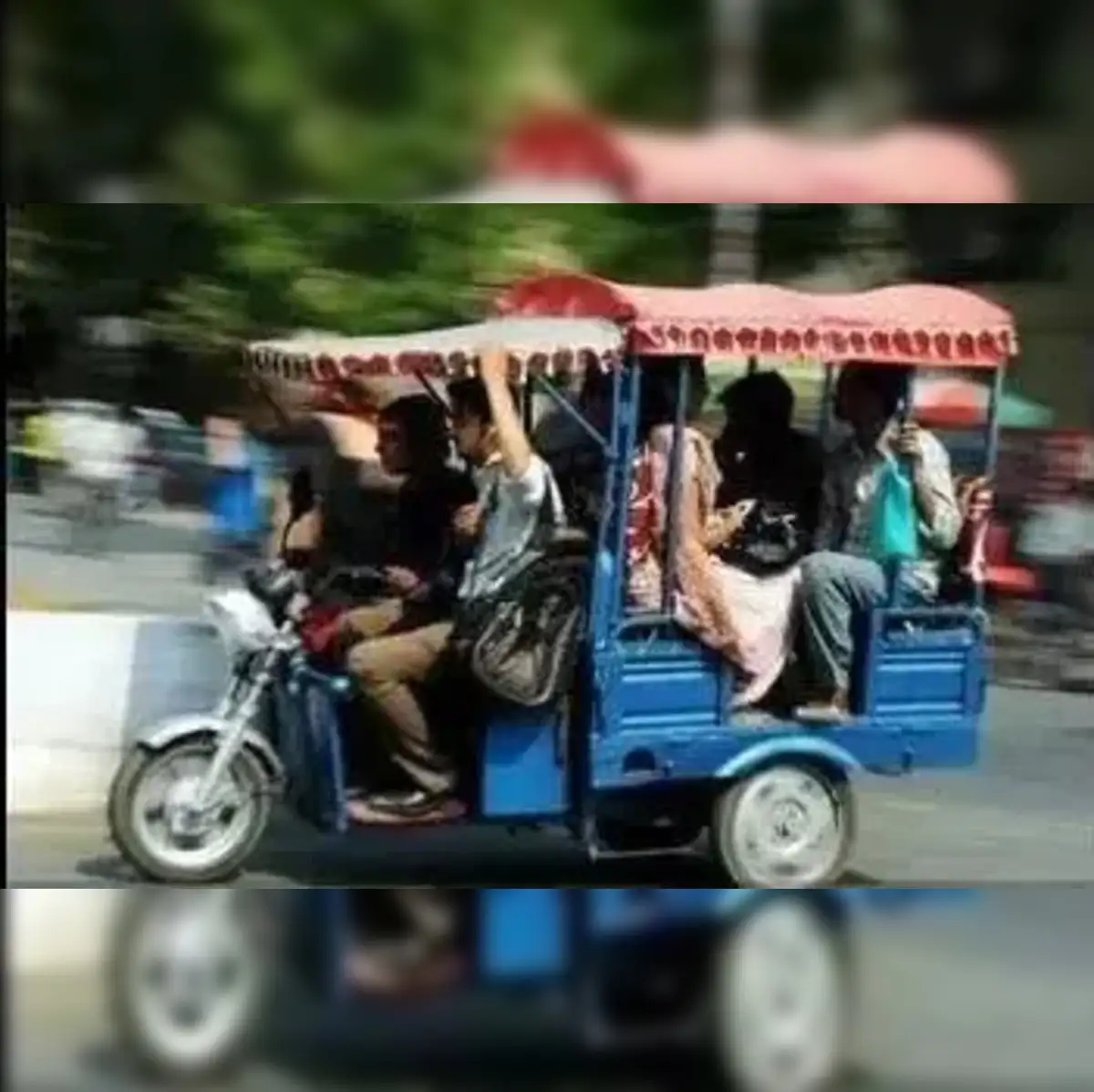
Indore is set to enforce a new regulatory framework for electric three-wheelers as city authorities move to improve road safety and traffic discipline in one of central India’s fastest-growing urban centres. The updated rules, coming into effect this week, are aimed at addressing concerns around speeding, wrong-side driving and unregulated operations of e-rickshaws across busy city corridors. Officials involved in transport management say the Indore e rickshaw rules are designed to bring greater accountability to a rapidly expanding segment of the city’s mobility ecosystem. Electric rickshaws have become a common mode of short-distance transport, offering affordable and flexible connectivity for commuters across residential and commercial areas.
However, the rapid increase in their numbers has also raised safety concerns. Traffic authorities have identified issues such as lane indiscipline, overspeeding and operation in restricted zones as key challenges affecting road safety. The Indore e rickshaw rules aim to standardise operational practices and ensure that drivers adhere to traffic regulations. Urban mobility experts note that informal and semi-formal transport systems like e-rickshaws play a critical role in bridging last-mile connectivity gaps in cities. They connect residential neighbourhoods to public transport hubs, markets and workplaces, making them an essential part of urban mobility networks. At the same time, effective regulation is necessary to ensure that such systems operate safely and integrate smoothly with larger transport infrastructure. The Indore e rickshaw rules are expected to introduce stricter enforcement measures, including penalties for violations and clearer guidelines on permissible routes and speed limits. City planners say the initiative reflects a broader effort to create safer and more organised urban streets. As Indore’s population and vehicle numbers grow, managing traffic behaviour has become increasingly important for reducing accidents and improving mobility efficiency. The introduction of the Indore e rickshaw rules also aligns with the city’s push toward sustainable transport solutions. Electric vehicles offer a lower-emission alternative to conventional fuel-based transport, contributing to improved air quality and reduced carbon footprint. However, experts emphasise that promoting electric mobility must be accompanied by proper regulatory frameworks. Unregulated growth can lead to congestion, safety risks and conflicts with other road users. Infrastructure planners suggest that integrating e-rickshaws into formal transport systems—through designated parking zones, regulated routes and digital tracking—can enhance their effectiveness while maintaining safety standards. For commuters, the new regulations could lead to more predictable and safer travel experiences. For drivers, compliance with the Indore e rickshaw rules may require adjustments in operating practices but could also improve long-term stability within the sector.
As Indore continues to expand its urban footprint, balancing accessibility with safety will remain a key challenge. The success of the new regulatory framework will depend on consistent enforcement, driver awareness and integration with broader urban mobility planning. In the long term, initiatives like the Indore e rickshaw rules highlight the importance of shaping emerging transport systems to support inclusive, sustainable and safe urban development.
ALSO READ – Indore Dahod Rail Line Trial Boosts Regional Connectivity
Indore E Rickshaw Regulation Targets Safer Urban Mobility
