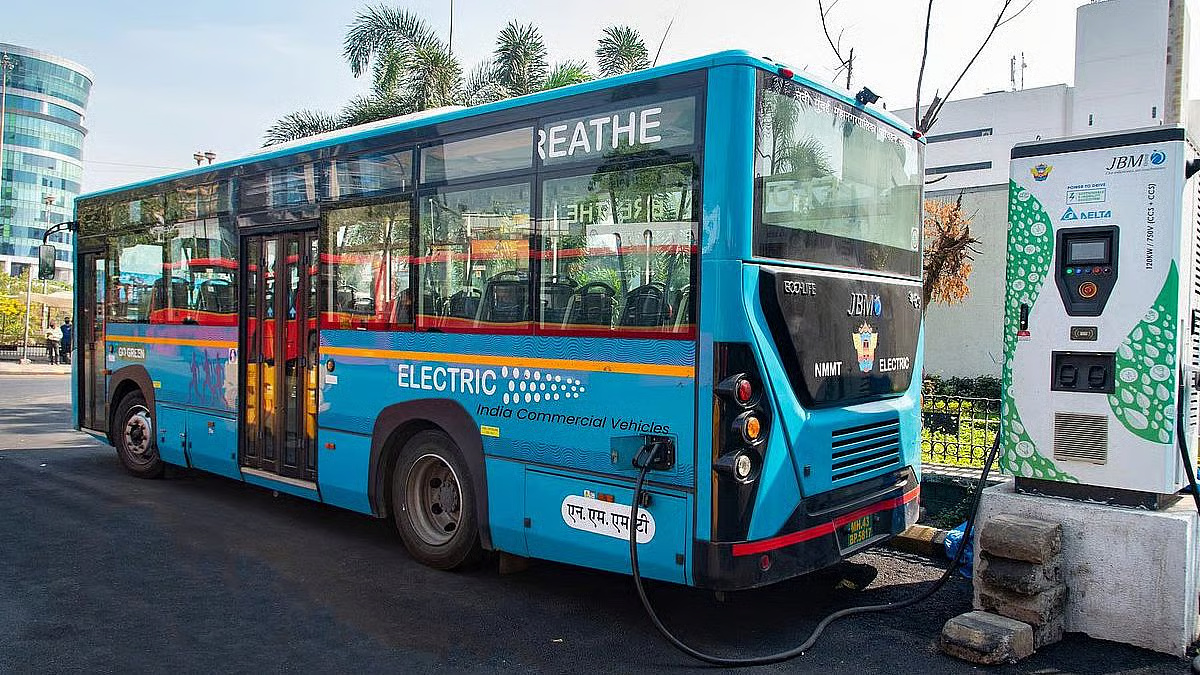
Mumbai Bus Electrification Tests Skills Behind The Wheel
Mumbai’s rapid shift to electric buses is changing more than the vehicles on its roads. It is also altering the skills, training systems and employment arrangements behind public transport. With 1,500 additional electric buses allocated to Mumbai under the PM E-DRIVE programme, the city’s transition is moving into a phase where operational readiness will matter as much as fleet expansion. Electric buses offer clear urban advantages. They remove tailpipe emissions and can reduce local air pollution and dependence on diesel and other fossil fuels. But their operating characteristics differ from conventional buses. Electric drivetrains deliver torque immediately and use regenerative braking, which returns some energy to the battery when the vehicle slows. Drivers therefore need to understand acceleration, braking response and vehicle controls in a different way.
That makes electric bus safety an increasingly important part of Mumbai’s electrification strategy. A recent safety-focused training programme at BEST’s Dindoshi facility reflects this shift, with practical instruction and accident analysis becoming part of driver preparation. The need is particularly relevant on Mumbai’s crowded streets, where buses operate alongside pedestrians, two-wheelers, cars and commercial vehicles. The scale of the transition makes the issue more significant. Under PM E-DRIVE, Mumbai has been allocated 1,500 electric buses, while Pune has received another 1,000. The national programme has allocated ₹4,391 crore for 14,028 electric buses, with 13,800 allocated across major cities in the latest government data. For Mumbai, the challenge is not simply putting more buses into service. The city must ensure that recruitment, training, supervision and maintenance capacity expand alongside the fleet. Urban transport specialists say competency-based training should cover vehicle handling, emergency response, battery-related procedures and safe interaction with vulnerable road users.
The employment model also deserves attention. A substantial part of new electric-bus deployment is being structured through gross-cost or operating contracts involving private operators. Under such arrangements, operators can be responsible for supplying, maintaining and operating buses and associated charging infrastructure. This can accelerate fleet expansion, but workforce standards need consistent oversight across operators. The environmental case for electrification remains strong, particularly when electric buses replace high-emission conventional vehicles. Yet a sustainable transport system ultimately depends on both cleaner technology and reliable human systems around it. Electric bus safety will therefore become a measure of how responsibly Mumbai manages its transition.
As the fleet grows, the next test will be whether training, working conditions, road design and operational oversight keep pace. A cleaner bus network can deliver greater public value only when it is also safe, dependable and accessible to the people who use it every day.