


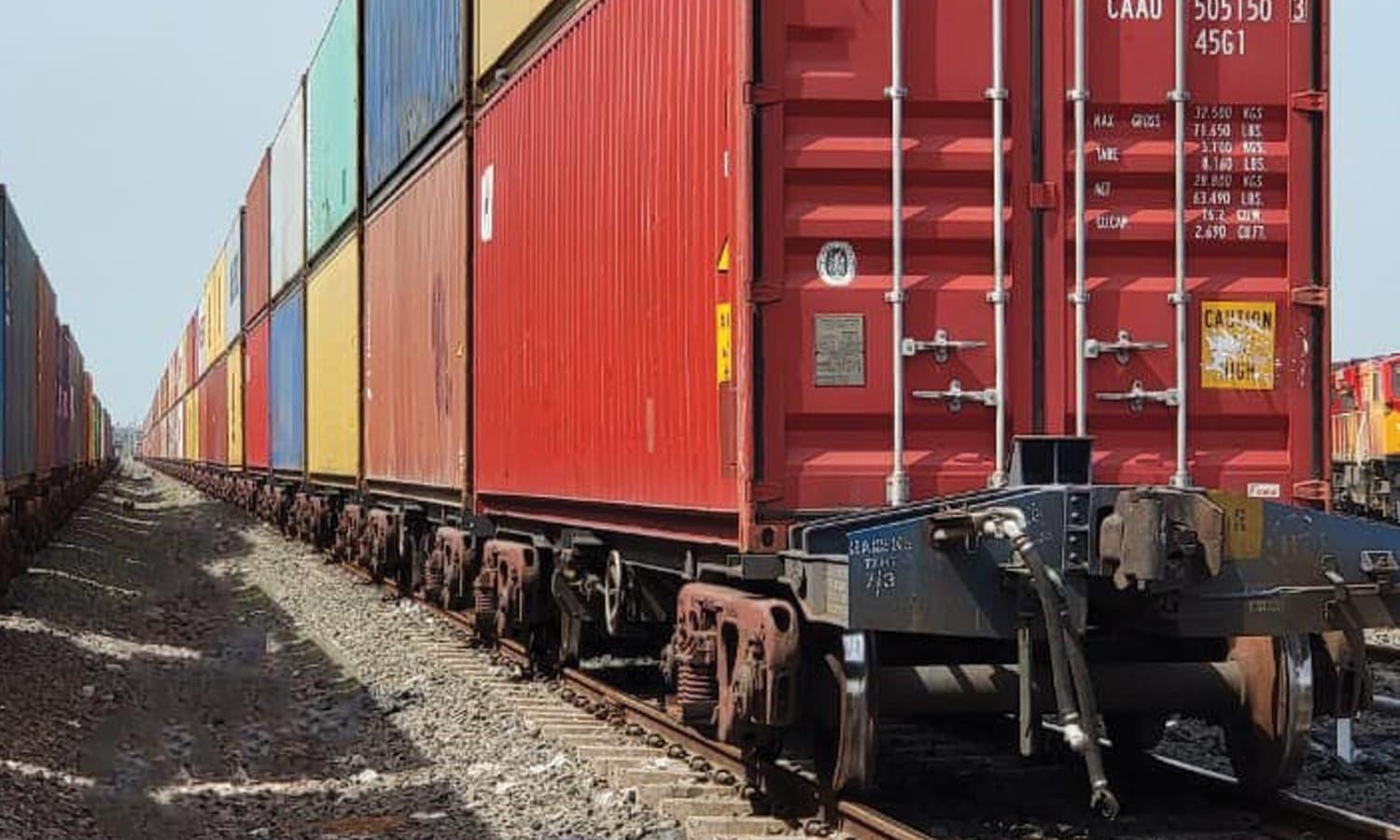
Surat is set to deepen its role in India’s freight ecosystem with the development of a multimodal logistics facility linked to the Western Dedicated Freight Corridor (DFC), signalling a major shift in how goods movement is being organised across the region. The project is expected to enhance efficiency, reduce transit times, and support industrial expansion. The upcoming Surat multimodal logistics hub is being aligned with the high-capacity freight corridor to enable seamless integration of rail, road, and warehousing operations. Officials associated with the initiative indicate that such facilities are designed to streamline cargo handling by consolidating multiple transport modes within a single ecosystem.
Urban infrastructure experts view the Surat multimodal logistics hub as a critical step in modernising India’s supply chains. Dedicated freight corridors are intended to separate cargo movement from passenger traffic, significantly improving speed and reliability. When combined with multimodal hubs, they can reduce logistics costs and improve competitiveness for industries. Surat’s selection for this development is closely linked to its industrial profile. The city’s strong base in textiles, diamonds, and manufacturing creates consistent demand for efficient freight movement. The Surat multimodal logistics hub is expected to support these sectors by enabling faster dispatch and improved connectivity to ports and domestic markets. From a planning perspective, such infrastructure can have far-reaching urban impacts. Logistics hubs often act as growth anchors, attracting ancillary industries, warehousing clusters, and service providers. However, experts caution that careful land use planning is necessary to prevent congestion, environmental degradation, and unplanned expansion around these facilities. The Surat multimodal logistics hub also aligns with national goals of reducing logistics costs as a share of GDP. By improving modal integration and reducing handling inefficiencies, such projects can enhance supply chain resilience and reduce overall transportation expenses. Sustainability considerations are increasingly central to logistics planning. Experts suggest that integrating energy-efficient warehouses, electrified transport systems, and optimised routing can significantly lower emissions. Given the scale of the project, embedding such features could position Surat as a model for sustainable logistics infrastructure. There are governance challenges to address as well. Successful implementation will depend on coordination between multiple agencies, including railways, local authorities, and industrial stakeholders. Ensuring timely execution and regulatory clarity will be key to realising the project’s full potential.
The economic implications are substantial. Improved logistics infrastructure can attract investment, create employment, and enhance the competitiveness of local industries. For Surat, this could reinforce its position as a major industrial and trade hub in western India. Looking ahead, the Surat multimodal logistics hub is expected to play a pivotal role in shaping regional supply chains. As India continues to invest in freight infrastructure, such integrated facilities will be central to building efficient, resilient, and sustainable logistics networks.
ALSO READ – Surat Logistics Growth Strengthens Industrial And Trade Networks
Surat Multimodal Logistics Hub Boosts Freight Connectivity
