


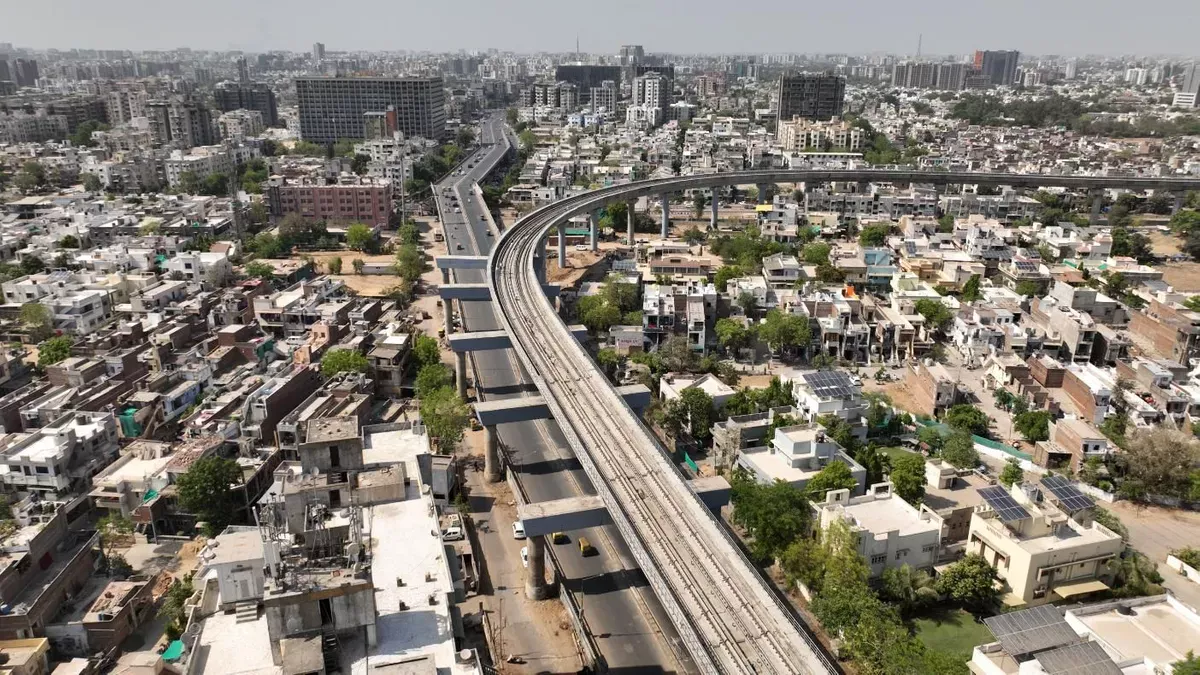
Nagpur has cleared a significant round of public spending aimed at strengthening institutional infrastructure and accelerating rural development, signalling a renewed push to balance urban expansion with regional equity. The approvals include funding for a new legislative complex alongside substantial allocations for rural infrastructure upgrades. The latest Maharashtra infrastructure investment package reflects a dual focus on governance capacity and grassroots development. Officials indicate that the proposed legislative complex is intended to accommodate future administrative needs, improve functionality, and align with modern building standards. At the same time, parallel funding for rural projects is expected to support roads, water systems, and local infrastructure across districts.
Urban policy experts note that such combined investment strategies are increasingly critical in large states where development disparities persist. While cities continue to attract economic activity, strengthening rural infrastructure can reduce migration pressures, improve livelihoods, and create more balanced growth patterns. The Maharashtra infrastructure investment initiative appears to recognise this interdependence. The proposed legislative infrastructure also has broader urban implications. Large civic buildings often act as anchors for surrounding development, influencing land use, mobility patterns, and real estate activity. Planners suggest that integrating such projects with public transport access and sustainable design principles will be key to minimising congestion and environmental impact. From a financial perspective, the scale of the Maharashtra infrastructure investment underscores the state’s continued reliance on public spending to drive economic momentum. Infrastructure projects typically generate multiplier effects, creating demand for construction, materials, and services while supporting long-term productivity gains. The rural component of the package is particularly significant. Improved connectivity, irrigation, and basic services can enhance resilience in agrarian regions, especially as climate variability affects agricultural output. Experts highlight that investments in water management and local infrastructure are essential for adapting to changing weather patterns and ensuring long-term sustainability. There are also governance considerations. Timely execution, transparent monitoring, and coordination across departments will determine the effectiveness of the Maharashtra infrastructure investment. Delays or cost overruns could dilute intended benefits, particularly in rural areas where project delivery challenges are often more pronounced.
Environmental factors are increasingly shaping infrastructure planning. Incorporating energy-efficient design, resource conservation, and climate-resilient construction methods can help ensure that new developments align with long-term sustainability goals. Experts argue that large public projects provide an opportunity to set benchmarks for low-carbon infrastructure. Looking ahead, the success of the initiative will depend on how well these investments translate into tangible improvements in public services and regional connectivity. If implemented effectively, the Maharashtra infrastructure investment could support more inclusive growth, strengthen institutional capacity, and enhance the state’s overall development trajectory.
ALSO READ – Nagpur Fuel Availability Reassured Amid Panic Buying
Nagpur Infrastructure Investment Boosts Civic And Rural Expansion
