


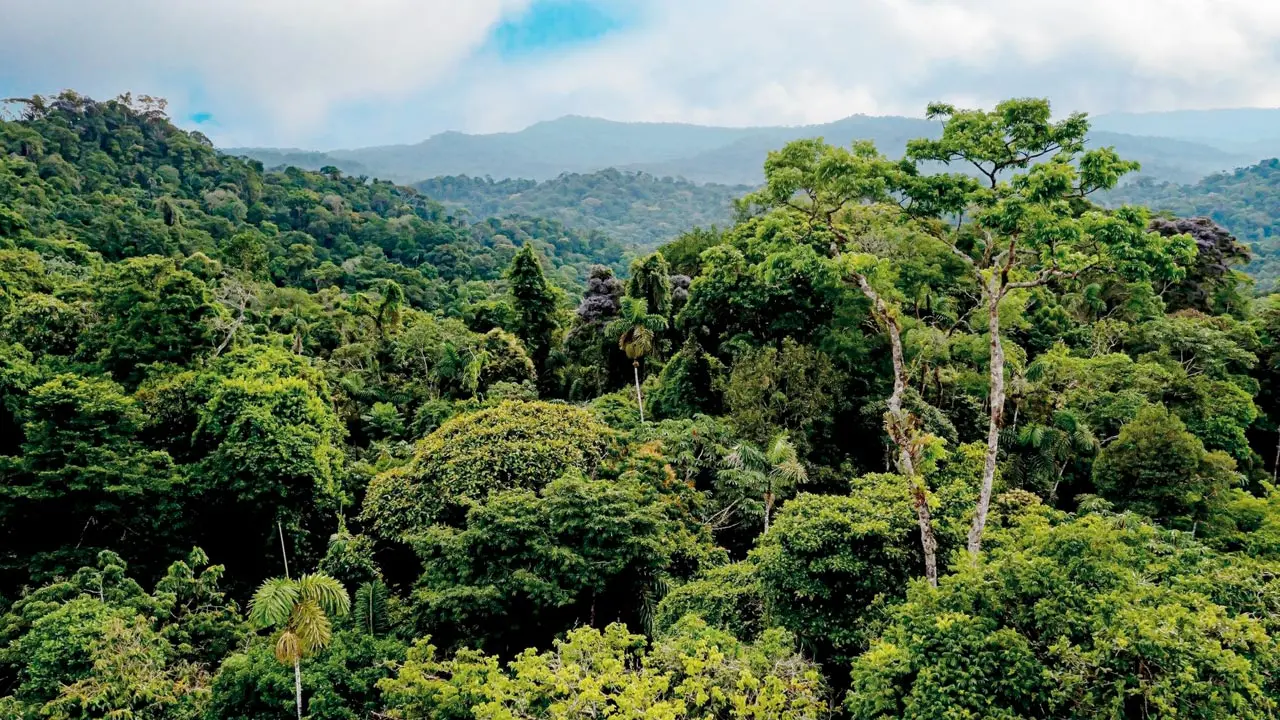
A proposal to introduce wildlife overpasses along a key national highway corridor near Nagpur is gaining traction, with policymakers and infrastructure planners exploring ways to reduce animal-vehicle collisions while improving ecological connectivity. The initiative reflects a growing recognition that transport infrastructure must account for biodiversity and environmental sustainability alongside mobility needs. The proposed wildlife overpasses — specially designed green bridges that allow animals to safely cross highways — are being considered for stretches where forest areas intersect with high-speed traffic routes. Such interventions are increasingly seen as essential in regions where expanding road networks fragment natural habitats and disrupt wildlife movement patterns.
Officials familiar with the discussions indicate that the focus is on integrating ecological safeguards into existing and future highway designs. This marks a shift from traditional infrastructure planning, where environmental considerations were often addressed separately rather than embedded into project design from the outset. Environmental experts highlight that road corridors passing through or near forested zones can lead to increased wildlife fatalities, posing risks not only to biodiversity but also to human safety. Collisions involving large animals can result in severe accidents, making mitigation measures a priority for both conservation and road safety. The Nagpur wildlife overpasses proposal aligns with global best practices in sustainable infrastructure development. Countries with extensive highway networks have increasingly adopted wildlife crossings — including overpasses and underpasses — to maintain ecological continuity. These structures help preserve migration routes and reduce habitat fragmentation, which is critical for maintaining healthy ecosystems. From an urban and regional planning perspective, the initiative also underscores the need for integrated land-use strategies. As cities expand and infrastructure projects extend into peri-urban and rural areas, balancing development with environmental preservation becomes more complex. Incorporating wildlife-friendly design elements can help minimise long-term ecological costs. There are also economic considerations. While the construction of wildlife overpasses involves additional upfront investment, experts argue that the long-term benefits — including reduced accident costs, lower maintenance from collision damage, and preservation of ecosystem services — can outweigh initial expenditures. The proposal comes at a time when India is scaling up its highway infrastructure, making it an opportune moment to embed sustainability principles into design standards. Institutionalising such measures could ensure that future projects incorporate ecological safeguards as a norm rather than an exception.
Implementation, however, will depend on detailed feasibility studies, site-specific assessments, and coordination between multiple agencies, including transport authorities and environmental regulators. Monitoring and maintenance will also be critical to ensure that the structures function effectively over time. As discussions progress, the outcome could set an important precedent for how infrastructure projects in and around Nagpur — and across India — reconcile the demands of connectivity with the need to protect natural ecosystems. The integration of wildlife overpasses may signal a broader shift towards more climate-resilient and environmentally responsible transport planning.
ALSO READ – Mumbai Flood Plan Expands With 547 Pump Deployment
Nagpur Wildlife Overpasses Proposed For Safer Highway Corridors
