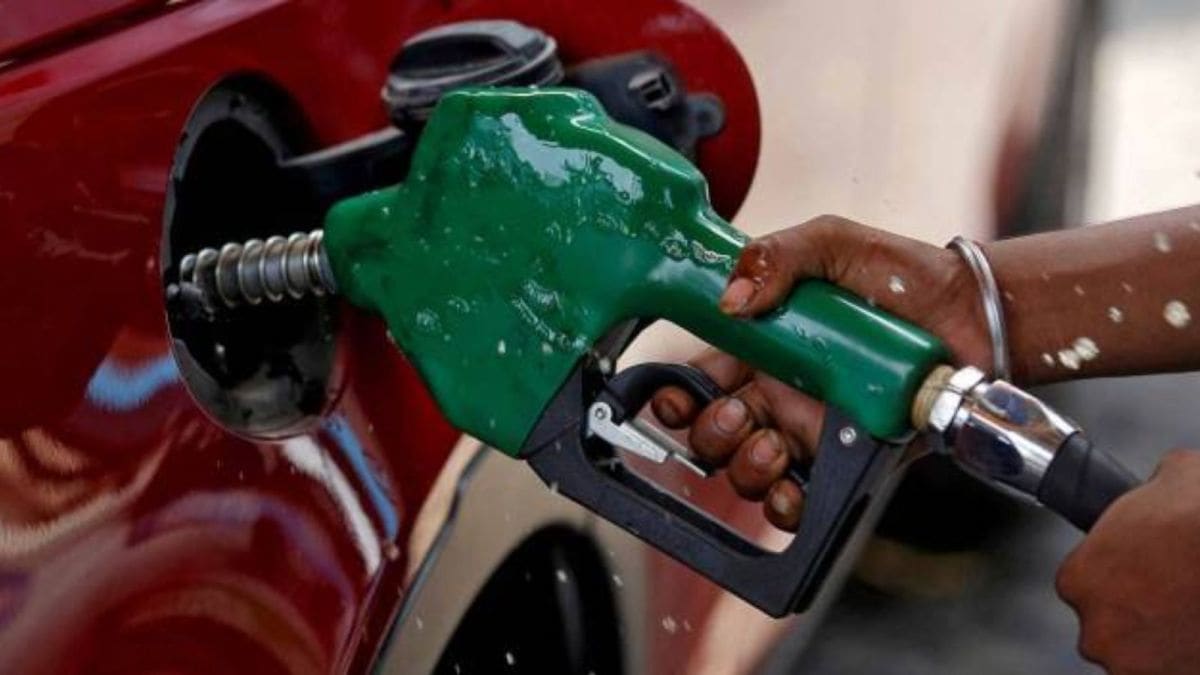
A fresh increase in premium-grade fuel costs in Pune has added to the financial strain on urban commuters, with Speed petrol now retailing above ₹113 per litre. The revision, implemented this week, reflects ongoing volatility in global energy markets and is expected to influence travel behaviour, particularly among owners of high-performance vehicles. The latest adjustment of ₹2.09 per litre pushes Speed petrol into a price bracket that could alter consumption patterns in the city. While premium petrol caters to a relatively niche segment of vehicles, including luxury and high-compression engine models, the cumulative effect of repeated hikes is beginning to register among users who rely on consistent fuel quality for engine efficiency.
Industry observers point to a combination of international crude price fluctuations, currency movements, and rising logistics costs as key drivers behind the premium petrol price rise. Refining and distribution expenses have also increased, contributing to periodic upward revisions in retail pricing. These factors, largely external, continue to expose Indian cities to global energy market dynamics. For Pune, a rapidly expanding urban centre with rising car ownership, the development carries broader implications. Higher fuel costs tend to discourage discretionary travel and may accelerate a gradual shift towards shared mobility, public transport, or fuel-efficient alternatives. Urban planners suggest that such price signals, while burdensome in the short term, can support long-term transitions towards lower-carbon transport systems.
There are early indications that some vehicle owners are reconsidering their fuel choices, weighing the cost-benefit of premium petrol against standard variants. Although switching may not be technically advisable for all engines, cost sensitivity is becoming a stronger factor in decision-making, especially among middle-income households managing multiple urban expenses. From an economic standpoint, the premium petrol price rise also feeds into broader inflationary pressures, indirectly affecting goods movement and service costs. Even limited shifts in fuel pricing can ripple through urban supply chains, particularly in sectors dependent on road-based logistics.
At a policy level, the development underscores the need for more resilient urban mobility frameworks. Investments in reliable public transport, electric vehicle infrastructure, and non-motorised transit options could help cities like Pune reduce dependence on volatile fossil fuel markets. Experts argue that sustained price volatility should serve as a trigger for accelerating clean energy adoption rather than a recurring financial shock for consumers. As fuel costs continue to fluctuate, the focus is likely to shift towards how cities balance affordability with sustainability. For Pune, the current price movement may be another step in reshaping how residents move, commute, and plan their daily travel in an increasingly cost-conscious urban environment.
Pune Petrol Price Increase Pressures Vehicle Owners