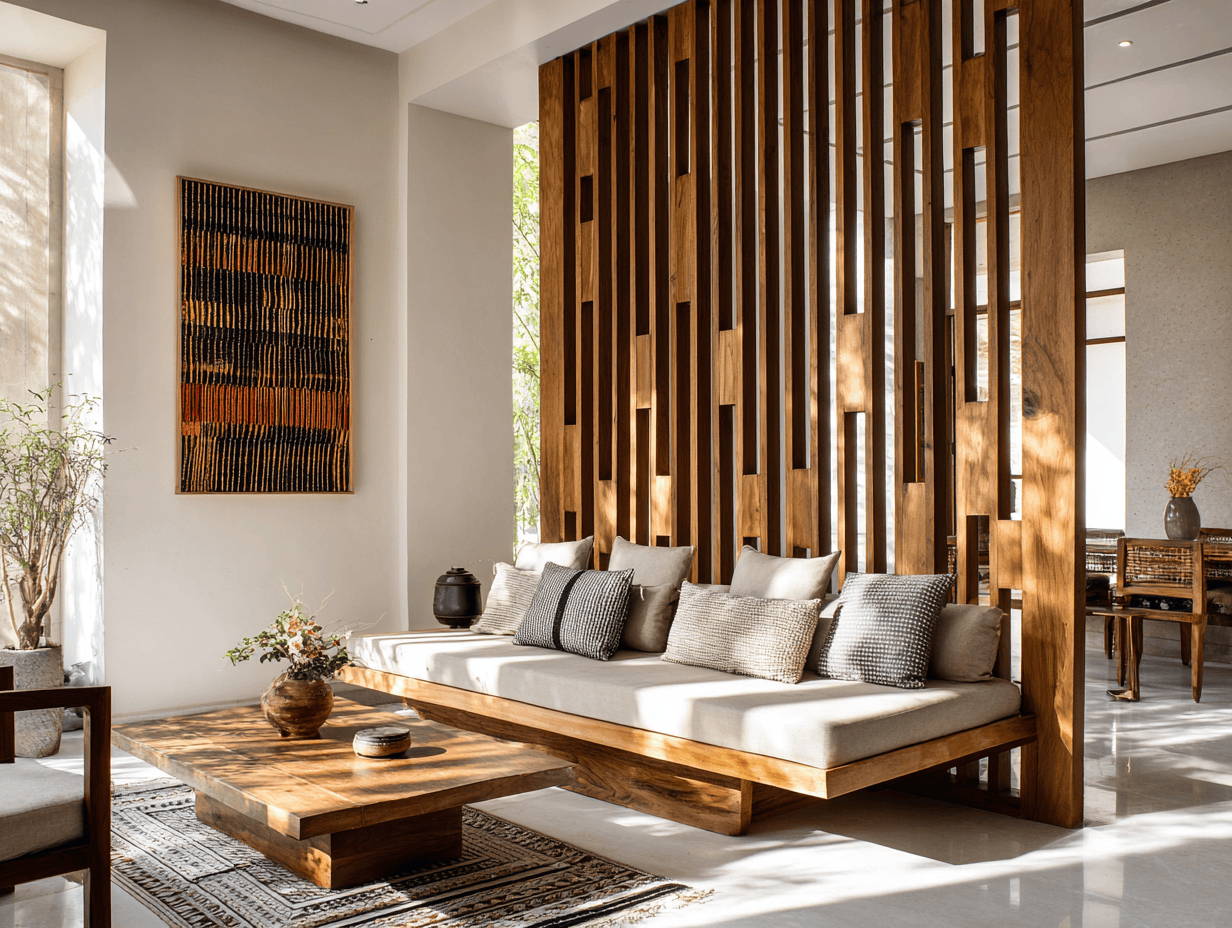
A renewed focus on material authenticity is reshaping India’s interior design landscape, with Solidwood Decor bringing traditional solid wood craftsmanship back into contemporary homes. The shift reflects a growing preference for durability, sustainability, and cultural continuity in urban residential design.
At the centre of this movement is the use of solid Sheesham wood, a material known for its strength, longevity, and distinctive grain patterns. Unlike engineered alternatives, solid wood furniture is designed to endure decades of use, often improving in character over time. This durability is becoming a key consideration for homeowners seeking long-term value in an increasingly cost-sensitive housing market.Solidwood Decor is positioning its offerings around this principle, combining traditional woodworking techniques with modern design sensibilities. The approach reflects a broader industry shift away from fast furniture towards pieces that emphasise craftsmanship, material integrity, and lifecycle performance.This resurgence of solid wood aligns with wider design trends emerging across India’s urban centres. Interior experts note a clear movement away from sterile minimalism towards warmer, layered spaces that prioritise texture and tactile experience. Natural materials such as wood are playing a central role in this transition, offering both visual depth and emotional comfort. From an urban development perspective, the return to solid wood craftsmanship carries implications beyond aesthetics. Locally sourced materials and handcrafted production methods can support regional economies, reduce transportation-related emissions, and contribute to more sustainable supply chains. This is particularly relevant as cities expand and construction-related consumption continues to rise.
The emphasis on craftsmanship also highlights the importance of preserving traditional skills in a rapidly industrialising sector. Woodworking traditions—many of which have been passed down through generations—are being reinterpreted for modern interiors, ensuring their continued relevance in contemporary housing. Historical examples of Indian architecture, from civic buildings to traditional homes, have long relied on carved wood elements for both structural and decorative purposes, underscoring the enduring value of such techniques.Industry observers suggest that this revival is being driven by changing consumer expectations. Homeowners are increasingly prioritising authenticity, longevity, and environmental responsibility over short-term trends. As a result, companies like Solidwood Decor are focusing on design strategies that balance heritage with modern functionality.At the same time, the approach presents challenges, particularly in sourcing sustainable timber and maintaining affordability. Ensuring responsible forestry practices and efficient production methods will be critical to scaling such models without compromising environmental goals.
Looking ahead, the integration of traditional craftsmanship with contemporary design is likely to shape the next phase of India’s interior design evolution. As urban housing continues to grow, the demand for materials and products that offer durability, cultural relevance, and sustainability is expected to rise—positioning solid wood craftsmanship as a key element in the future of the built environment