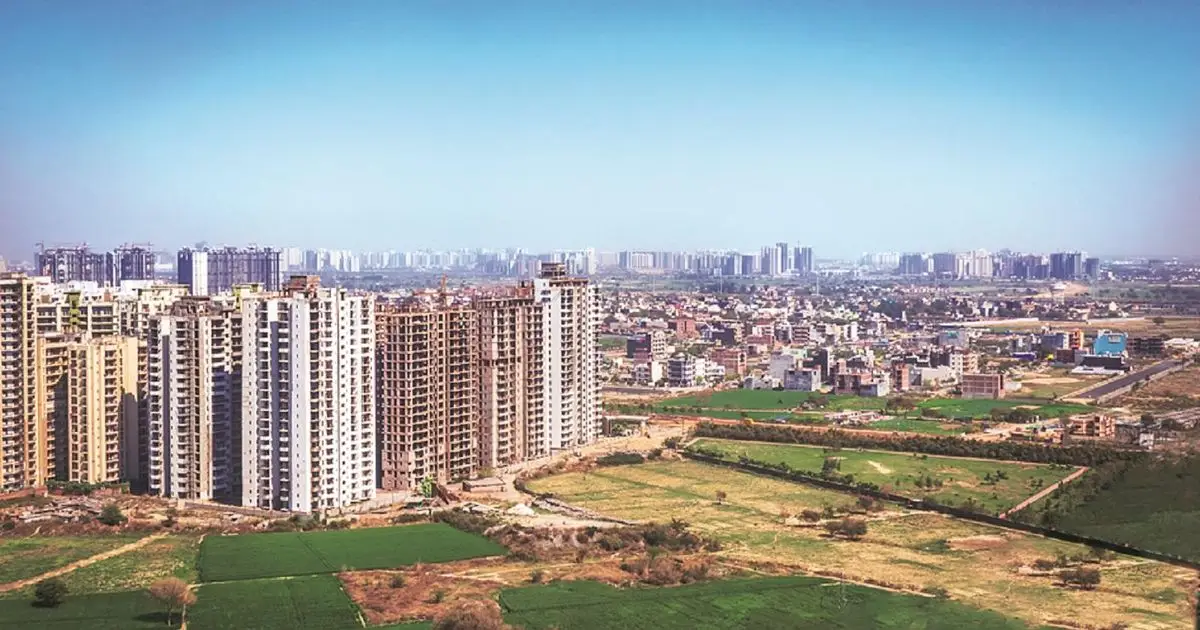
Mumbai’s ageing housing stock is undergoing a visible transformation, but the shift is no longer limited to larger apartments or financial payouts. Across several neighbourhoods, redevelopment proposals are increasingly bundling fully fitted interiors, appliances, and ready-to-use living spaces signalling a deeper change in how value is negotiated in the city’s constrained housing market.
In a city where land scarcity shapes every transaction, redevelopment has become one of the primary pathways for urban renewal. However, as more developers compete for limited projects, especially in high-demand zones, the traditional metrics of additional carpet area and compensation are being supplemented by lifestyle-oriented incentives. These include pre-installed air-conditioning systems, modular kitchens, and home appliances features once considered post-possession upgrades handled by residents themselves.Industry observers note that this evolution reflects a shift in homeowner expectations. Residents displaced during multi-year redevelopment cycles are increasingly evaluating not just the size of their future homes, but the quality and immediacy of occupancy. A “move-in-ready” apartment reduces both financial and logistical burdens, particularly in a city where interim rents can be steep and relocation disruptive.
The growing prominence of these offerings also highlights the economics of Mumbai redevelopment. Projects in premium micro-markets often attract multiple bidders, intensifying competition. In such scenarios, developers differentiate themselves through enhanced specifications rather than purely financial terms. Yet, this trend remains uneven. In areas where project margins are tighter, developers continue to prioritise essential fittings over comprehensive furnishing, reflecting cost constraints and differing buyer profiles.Urban planners suggest that while these upgrades may improve individual housing outcomes, they raise broader questions about sustainability and long-term urban resilience. Fully fitted homes can increase material consumption and lifecycle energy use, particularly if appliances and finishes are not designed with efficiency standards in mind. Moreover, the focus on premium features risks widening disparities between redevelopment outcomes in high-value and lower-income neighbourhoods. There is also a civic dimension. Redevelopment, often positioned as a tool for safer and more efficient housing, must balance private incentives with public infrastructure capacity.
Increased density, even when accompanied by better interiors, places additional strain on transport, water supply, and waste systems areas where planning interventions often lag behind construction activity.For residents, however, the immediate calculus remains practical. With prolonged project timelines and rising living costs, the assurance of a completed, functional home at handover holds tangible appeal. For developers, the challenge lies in sustaining these offerings without compromising project viability or construction quality. As Mumbai redevelopment continues to reshape the city’s built environment, the emerging emphasis on liveability over mere square footage signals a changing urban contract one that will need to align more closely with sustainability, affordability, and infrastructure readiness in the years ahead.