


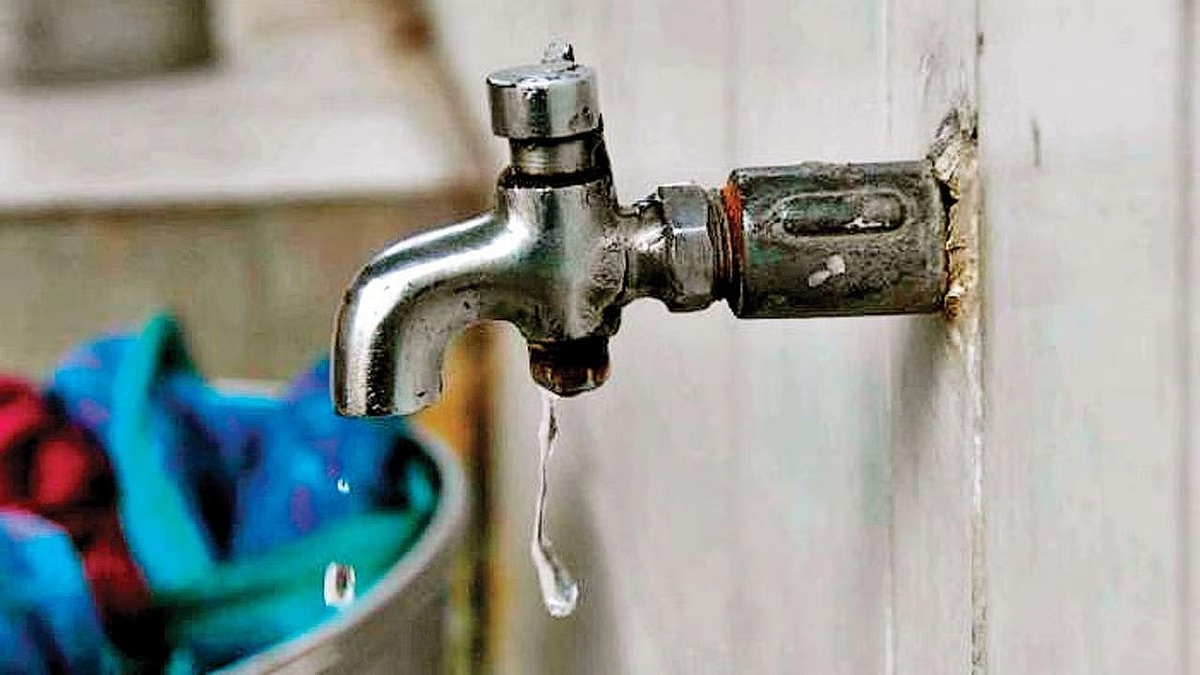
Indore’s civic administration is moving to reassess and restructure its urban water supply network through an independent audit, signalling a shift towards data-driven management of essential services. The initiative aims to identify inefficiencies in distribution, reduce water losses, and improve reliability for a rapidly expanding urban population. The decision to bring in an external evaluator reflects growing recognition that legacy infrastructure and fragmented monitoring systems are limiting the performance of the current network. Officials indicate that the audit will examine key aspects such as pipeline integrity, pressure management, leak detection, and equitable distribution across neighbourhoods.
In many Indian cities, water supply systems face high levels of non-revenue water — losses caused by leakages, illegal connections, and metering gaps. Addressing these issues is critical not only for conserving water but also for improving financial sustainability. By undertaking a comprehensive review, Indore aims to optimise existing resources rather than relying solely on expanding supply. Urban planners suggest that such audits are essential for transitioning towards more resilient and efficient water systems. As cities grow, incremental fixes often fail to address systemic challenges. A holistic assessment can help prioritise investments, ensuring that upgrades are targeted where they are most needed. The Indore water supply overhaul is particularly significant given increasing pressure on water resources due to climate variability and rising demand. Ensuring consistent and equitable access to water is becoming a central concern for urban governance, especially in cities experiencing rapid population growth and spatial expansion. The audit is also expected to inform future infrastructure planning, including the integration of smart technologies for monitoring and management. Digital tools such as real-time sensors and automated control systems can improve responsiveness and reduce wastage, contributing to more sustainable water use. From a social perspective, improving water distribution has direct implications for quality of life. Irregular supply often forces households to depend on storage or alternative sources, increasing costs and affecting daily routines. More reliable systems can reduce this burden, particularly for lower-income communities that are disproportionately affected by service gaps. Experts emphasise that the success of the overhaul will depend on implementation. Identifying issues is only the first step; sustained investment, institutional capacity, and transparent governance are required to translate findings into measurable improvements.
The move also aligns with broader efforts to modernise urban infrastructure in Indian cities, where accountability and performance-based management are gaining importance. Independent audits can enhance credibility and build public trust, especially when findings lead to visible service improvements. As Indore advances this process, the outcome of the audit will shape how effectively the city can balance growing demand with sustainable water management. A well-executed overhaul could set a benchmark for other cities seeking to improve efficiency without overextending natural resources.
ALSO READ – Indore Dhar Rail Tunnel Delay Slows Corridor Progress
Indore Water Supply Overhaul To Improve System Efficiency
