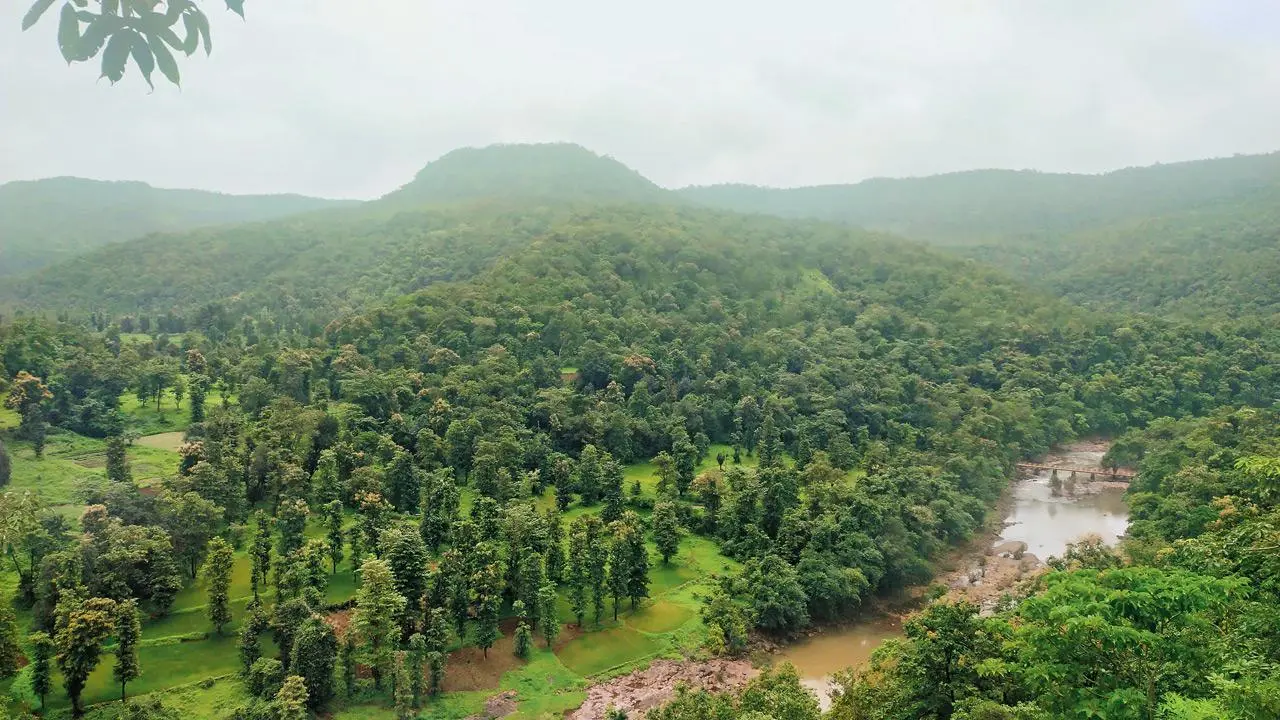
Mumbai’s civic administration is reassessing its long-term water augmentation strategy, with the Gargai Dam project emerging as a central option amid rising cost concerns across multiple supply initiatives. The move reflects a broader effort to balance infrastructure expansion with financial sustainability as the city prepares for future water demand driven by population growth and climate variability.
Officials indicate that while several large-scale projects—including desalination facilities and inter-basin water transfer schemes—remain under consideration, their operational and rehabilitation costs have prompted a closer review. In comparison, the Gargai Dam project, planned in Palghar district, is being viewed as a relatively more feasible addition to the city’s supply network. The proposed dam is expected to generate an additional 440 million litres per day (MLD), strengthening Mumbai’s water resilience at a time when existing sources face seasonal stress. Urban planners note that securing new freshwater sources remains critical, particularly as erratic rainfall patterns linked to climate change increase uncertainty in reservoir inflows.
However, the project has not progressed without scrutiny. Members of the civic decision-making body have raised concerns over cost escalations, noting that revised financial estimates exceed earlier projections by a notable margin. The contract value under discussion has risen above the initial benchmark, triggering calls for tighter financial oversight and greater transparency in the tendering process. Civic officials overseeing infrastructure projects have argued that, despite higher upfront costs, the Gargai Dam project could prove more economical over time compared to alternatives such as desalination plants. These facilities, while technologically advanced, require substantial energy inputs and long-term operational expenditure, particularly if powered by conventional energy sources. Authorities have suggested that integrating renewable energy could mitigate some of these costs, though implementation challenges remain.
At the same time, other proposed projects—including river-linking initiatives—carry significant rehabilitation and land acquisition burdens. These factors not only increase project timelines but also raise concerns around social and environmental impacts, particularly in ecologically sensitive regions. Environmental considerations have also surfaced in discussions around the dam project. Urban policy experts point out that large reservoir developments often involve deforestation and displacement, requiring careful evaluation of ecological trade-offs. Balancing water security with biodiversity preservation is increasingly seen as a key challenge for infrastructure planning in rapidly urbanising regions.
From an urban development perspective, strengthening water supply infrastructure is closely linked to economic growth and real estate expansion. Reliable access to water underpins housing, commercial activity and industrial operations, making it a foundational component of city planning. However, experts caution that future investments must align with sustainable practices, including demand management, water recycling and decentralised supply systems. As deliberations continue, civic authorities are expected to finalise their position on the project’s financial structure and implementation framework. The outcome will shape not only Mumbai’s water security roadmap but also set a precedent for how large-scale infrastructure projects are evaluated in terms of cost efficiency, environmental impact and long-term resilience.
Mumbai Gargai Dam Project Gains Focus Amid Cost Debate