India’s residential real estate market is entering a new phase of expansion, with smaller urban centres poised to play a larger role as housing affordability tightens in the country’s biggest metropolitan regions. Industry assessments suggest that escalating property prices in major cities are beginning to slow demand growth, prompting developers and buyers to increasingly explore opportunities in emerging urban markets.
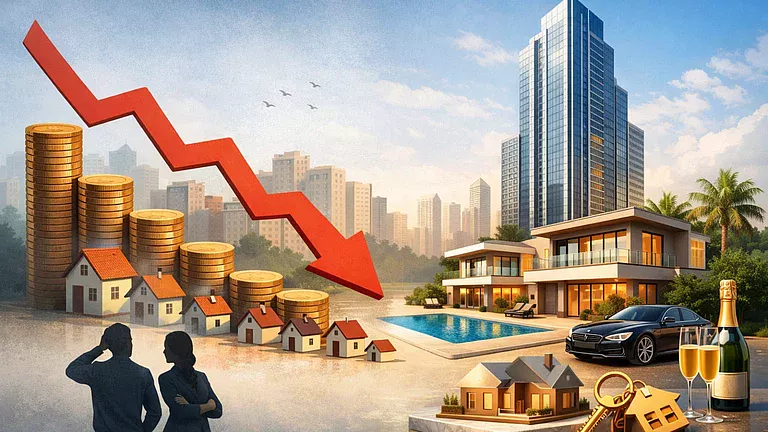
In recent years, India’s largest housing corridors including the Mumbai Metropolitan Region, Pune, Bengaluru, Delhi NCR, Hyderabad, Chennai, and Kolkata have recorded significant price appreciation following the pandemic. While the surge has strengthened developer balance sheets and investor confidence, it has simultaneously widened the gap between property values and household incomes, particularly for first-time homebuyers. Market observers say this mismatch between income growth and housing prices is gradually reshaping demand patterns. As entry-level homes become harder to access in Tier I cities, prospective buyers are increasingly considering locations where property values align more closely with local earning capacity. This shift is expected to accelerate the role of Tier II housing demand in sustaining India’s next residential growth cycle.
Urban planners note that smaller cities are benefiting from several structural changes. Expanding infrastructure networks, improved digital connectivity, and decentralised employment clusters are reducing the economic dependence on traditional metropolitan hubs. As companies adopt hybrid work models and state governments invest in regional industrial corridors, housing demand is spreading more evenly across India’s urban landscape. Cities such as Bhubaneswar, Cuttack, Erode, Puri, Varanasi, and Visakhapatnam are increasingly drawing attention from developers and institutional investors. These urban centres typically offer lower land acquisition costs and comparatively modest housing ticket sizes, making them attractive for middle-income households and end-user buyers seeking stable long-term ownership.
Industry specialists also highlight that residential demand in these emerging cities tends to be more end-user driven rather than speculative. Such demand patterns are considered healthier for long-term urban development, as they encourage steady occupancy rates, community formation, and local economic activity. However, urban development experts caution that growth in these markets must be accompanied by robust planning frameworks. Rapid expansion without adequate public transport, water infrastructure, and climate-resilient urban design could replicate the pressures already visible in India’s largest cities.
For policymakers and developers alike, the shift toward smaller cities presents both an opportunity and a challenge. Balanced expansion across regional urban centres could reduce congestion in megacities while supporting more equitable economic growth. If managed carefully, the next phase of India’s housing expansion may help shape a more distributed, resilient urban network where opportunity is not confined to a handful of metropolitan regions.